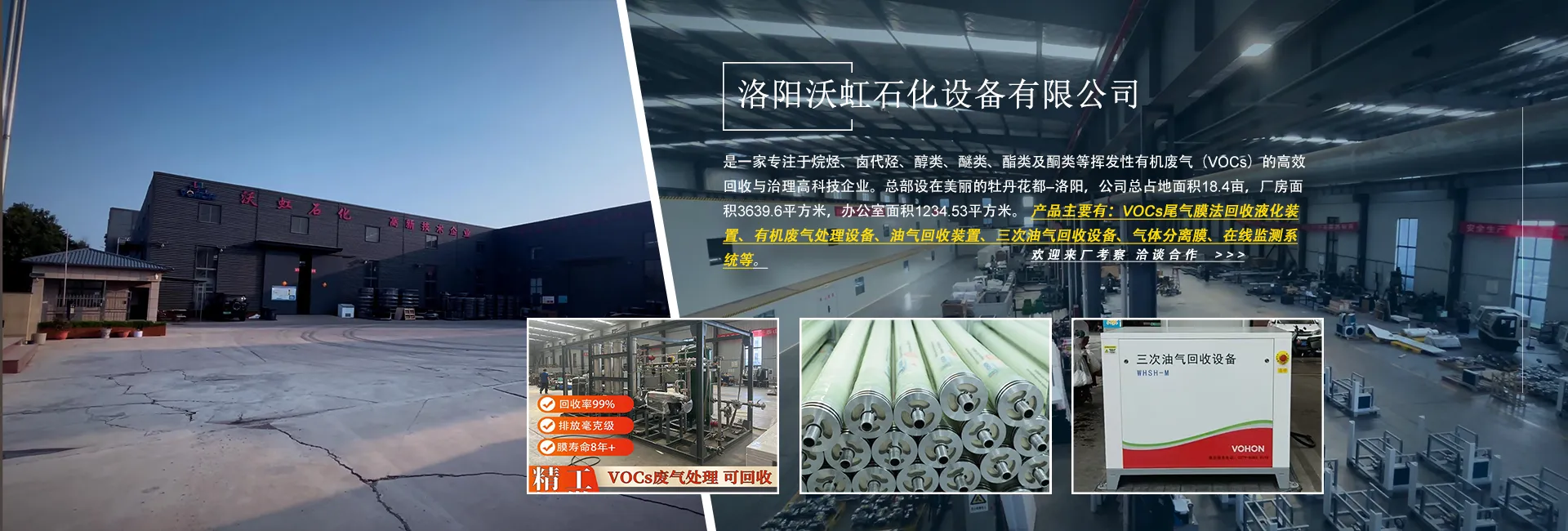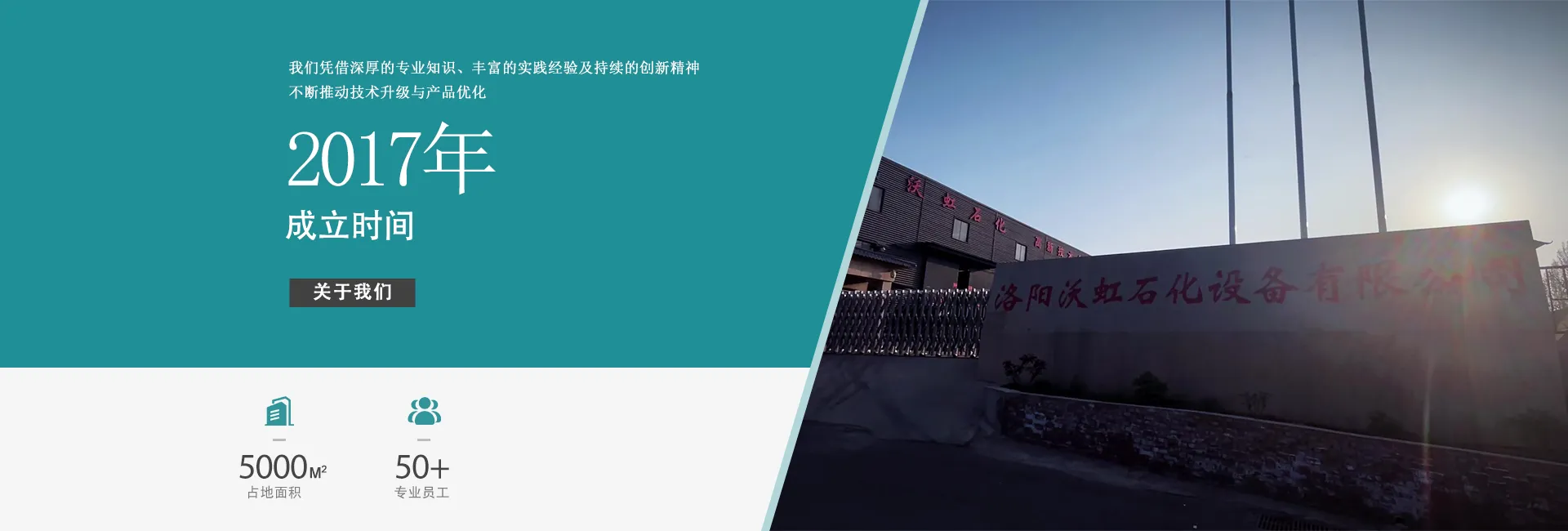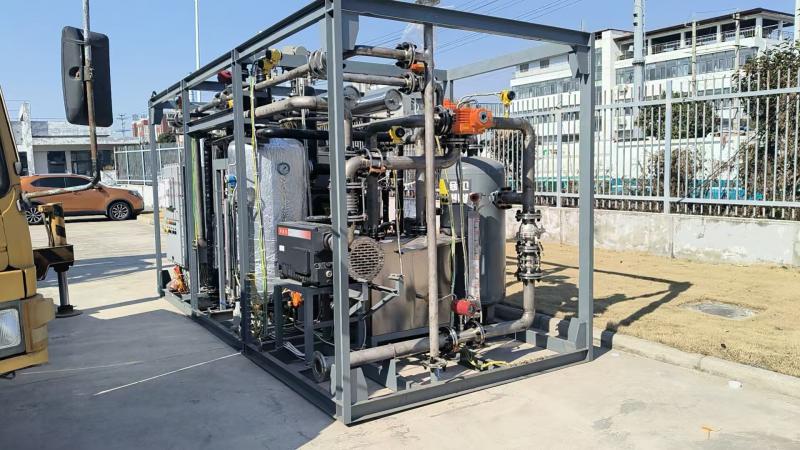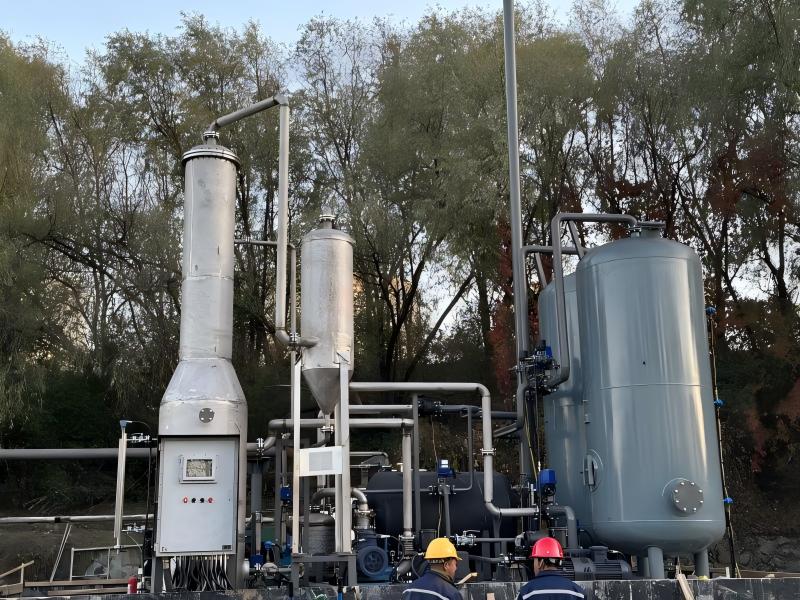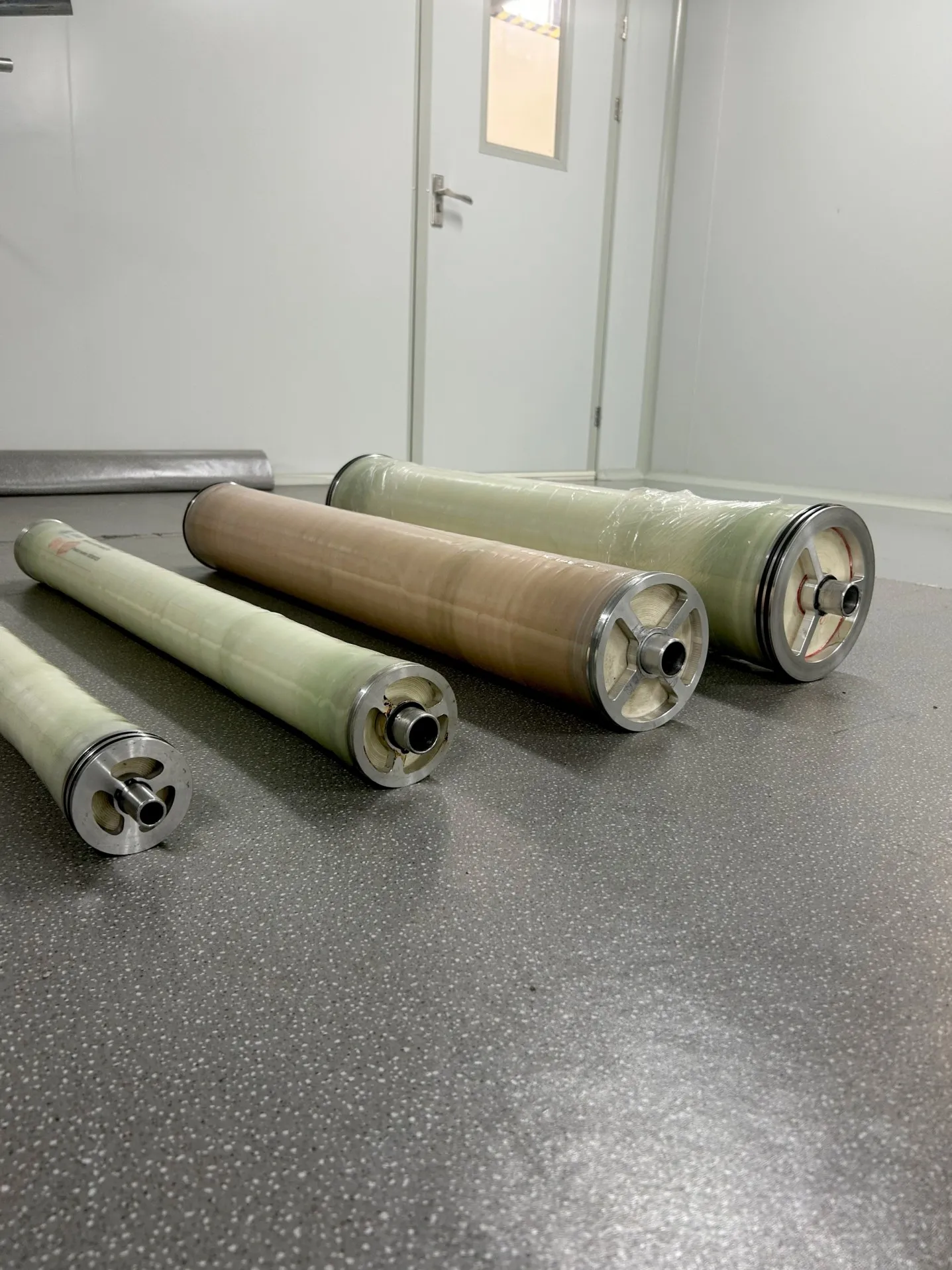
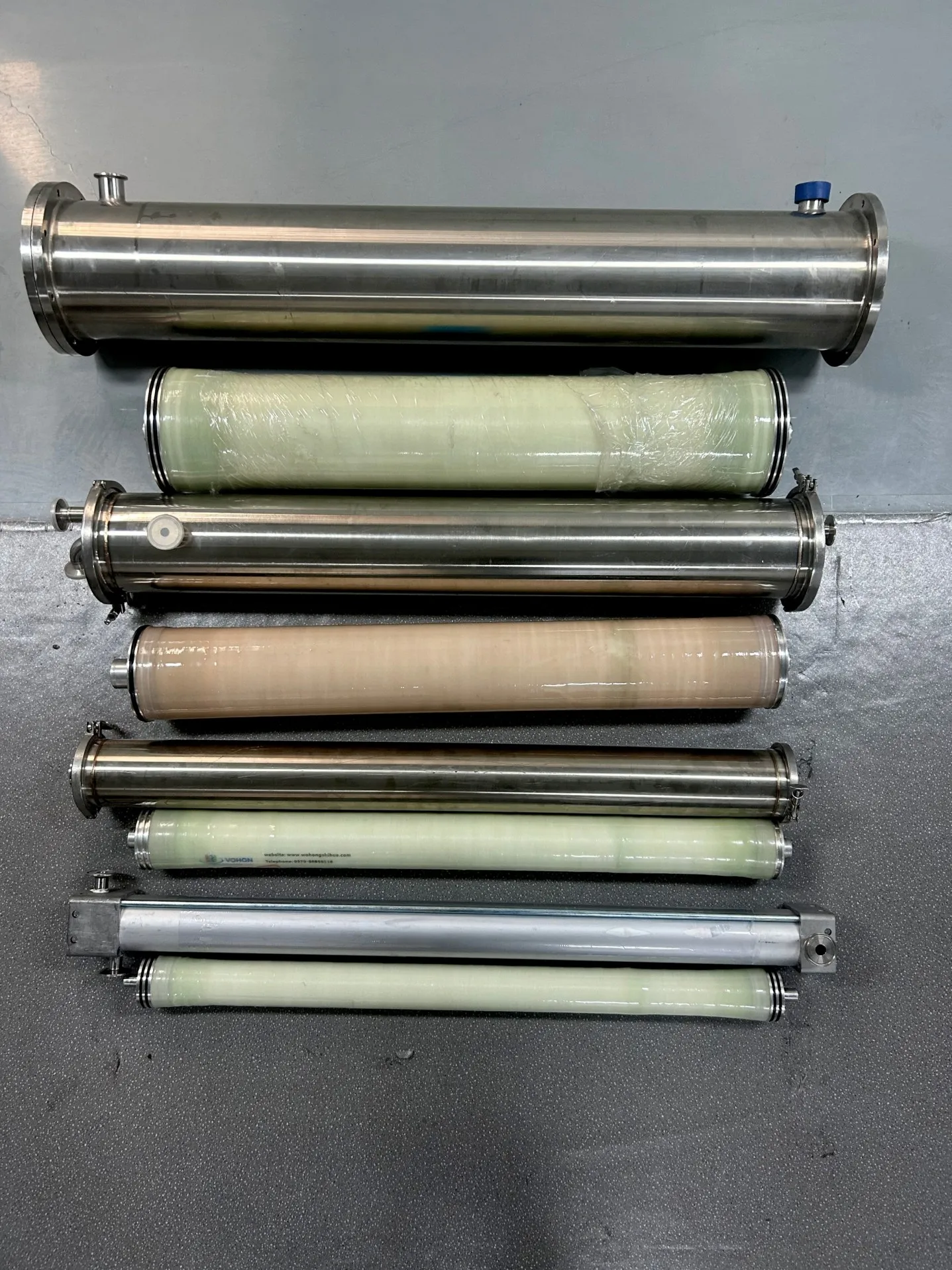
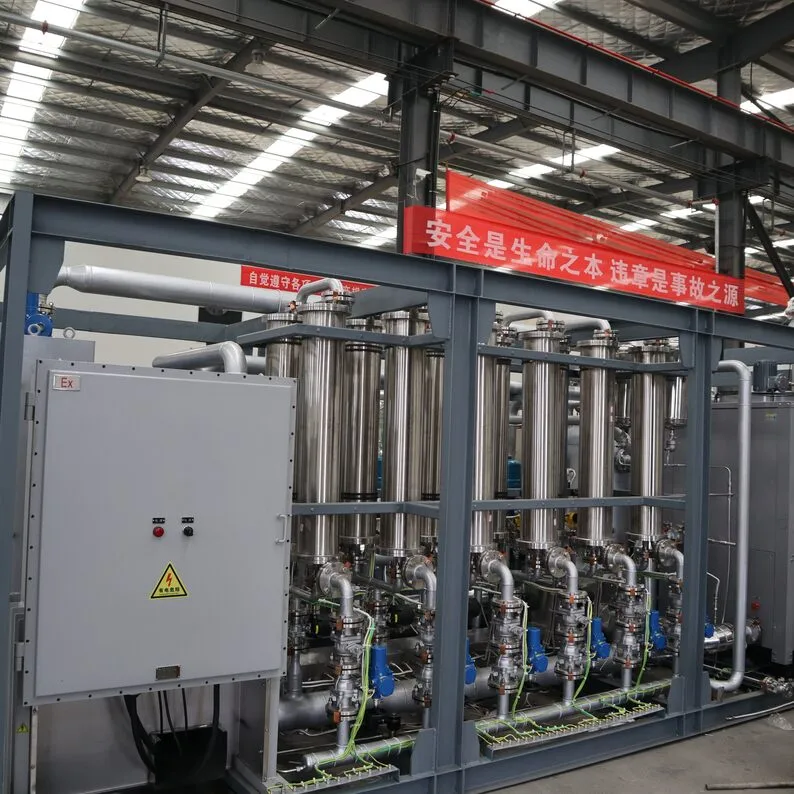
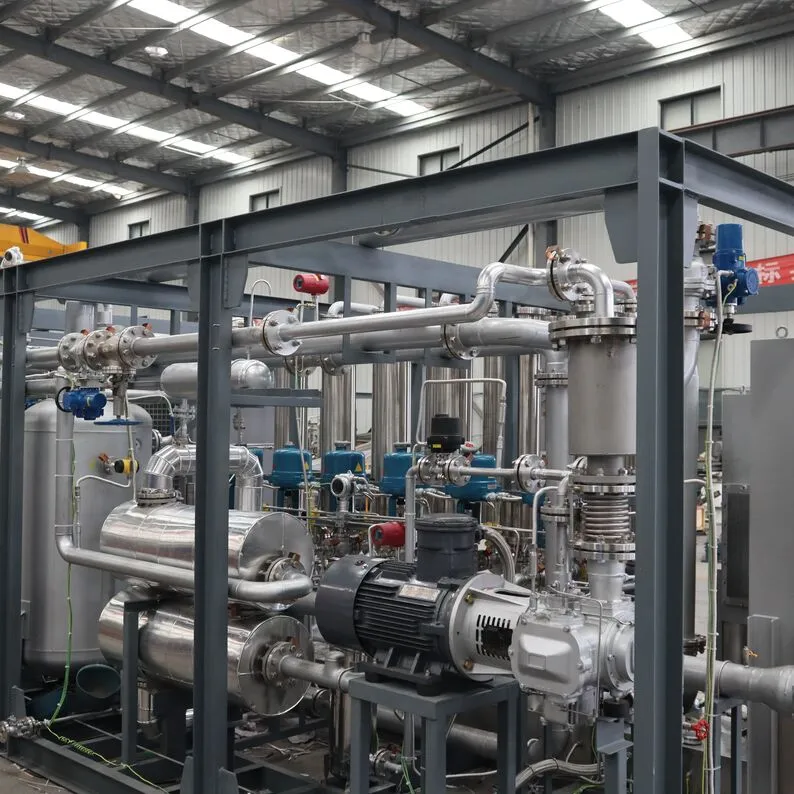
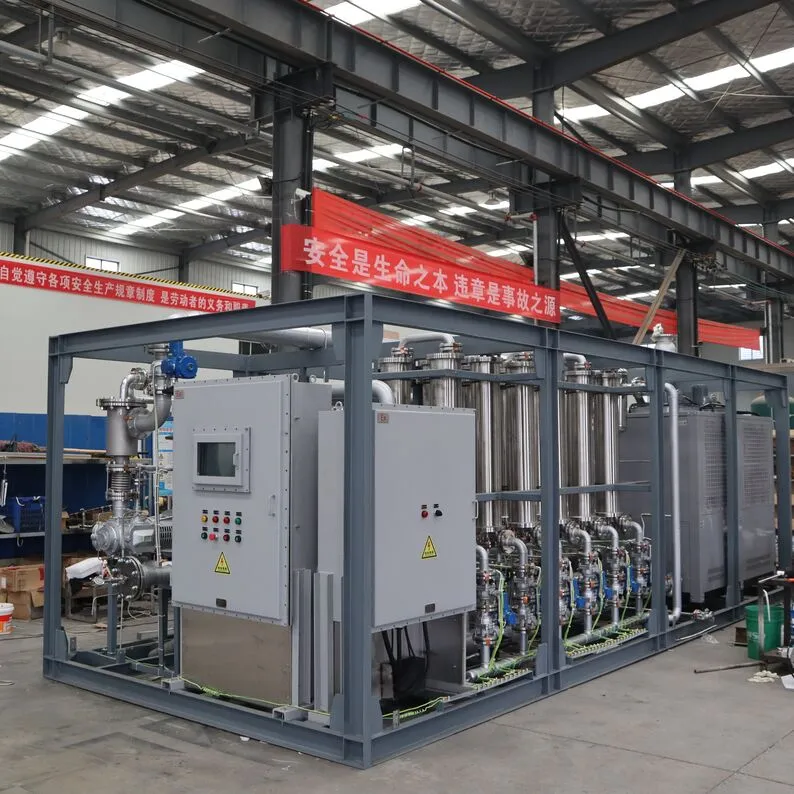
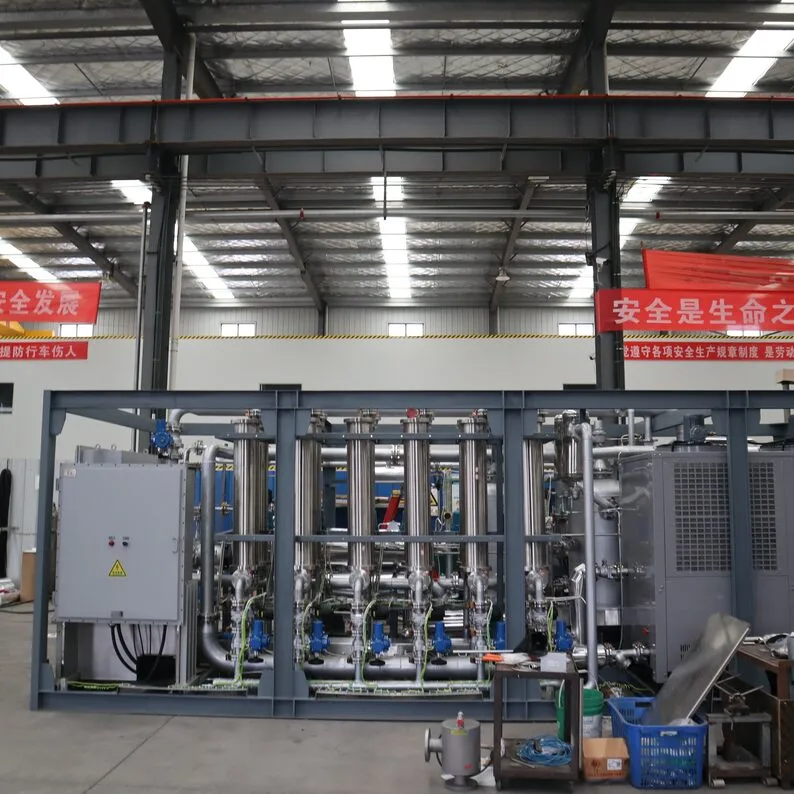
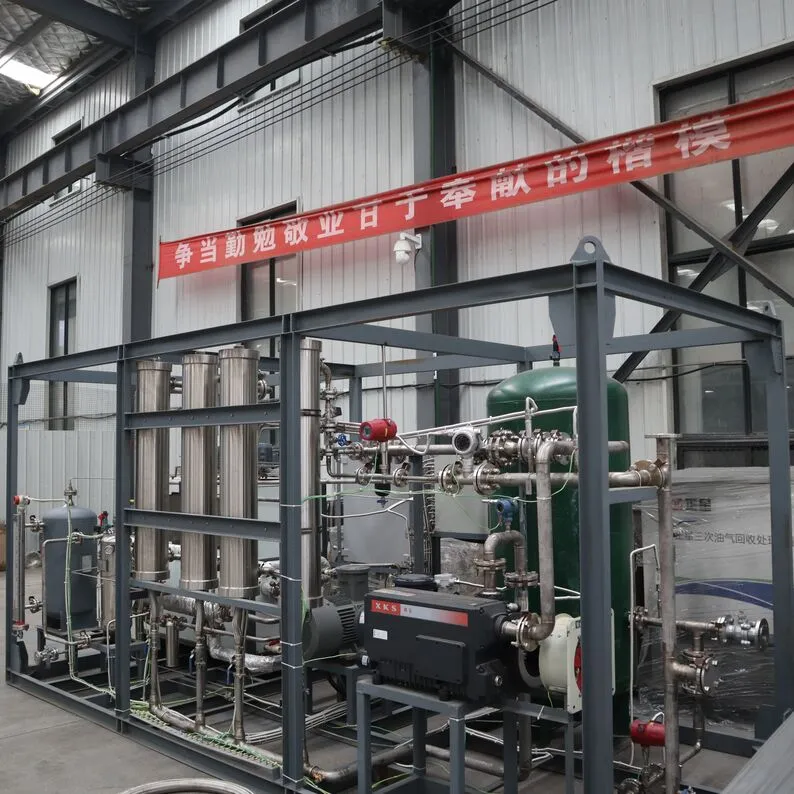


Luoyang Wohong Petrochemical Equipment Co., Ltd. was founded in March 2017 with a registered capital of RMB 80.18 million. We are a high-tech enterprise specializing in the resource recovery and treatment of VOCs organic waste gas for the pharmaceutical, fine chemical and petrochemical industries. Located in Luoyang, the peony city, our plant covers 18.4 mu, with 3,639.6 square meters of modern standard production workshops and 1,234.53 square meters of standardized office space, supported by complete production and office facilities. After years of R&D and manufacturing in environmental protection equipment, we focus on the recovery of alkanes, halogenated hydrocarbons, alcohols, ethers, esters, ketones and other volatile organic compounds.
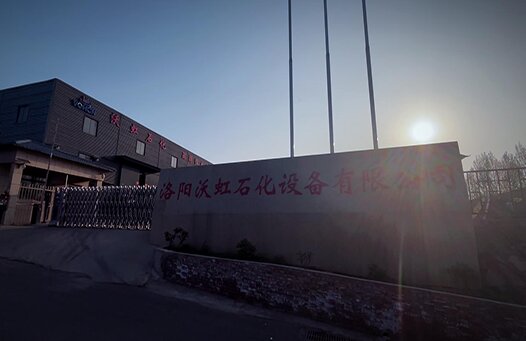
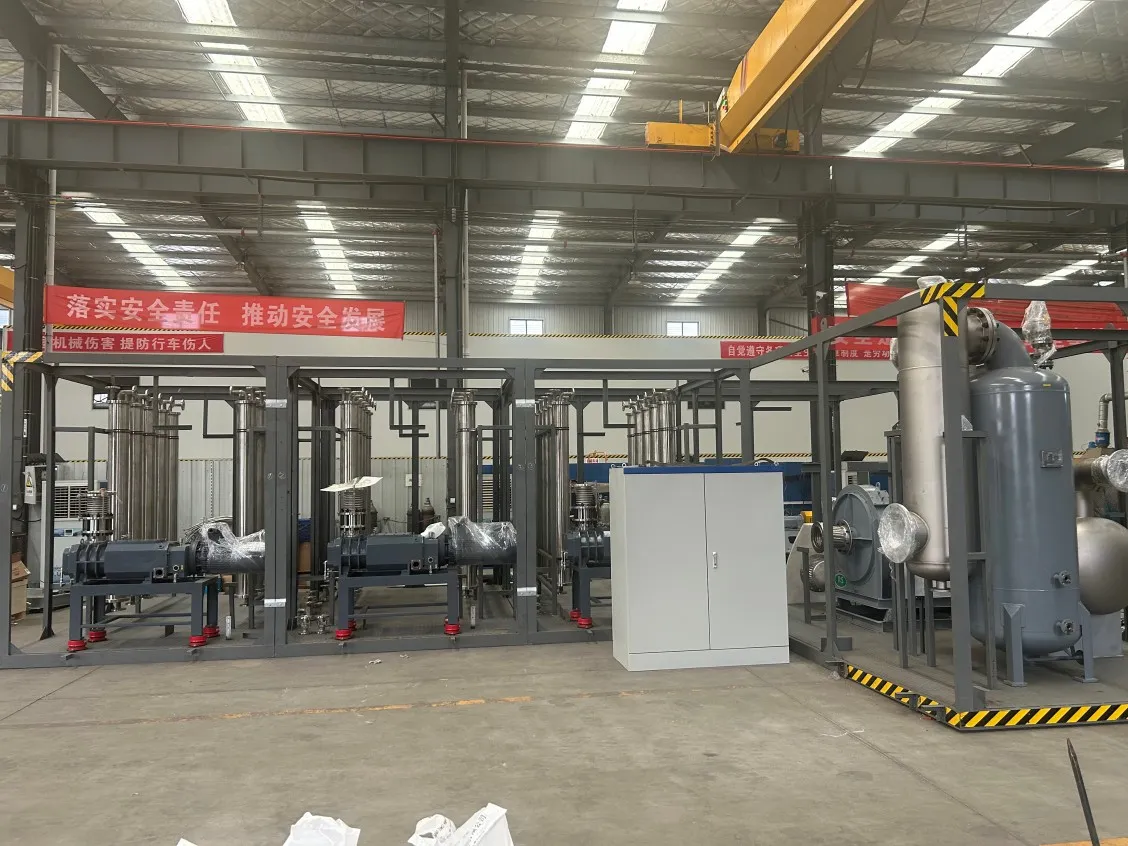
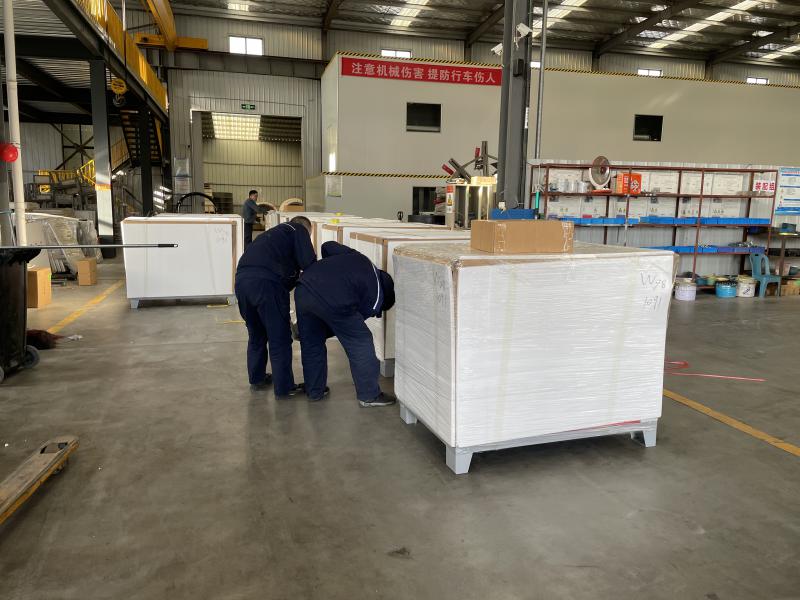
We have a capable management team and a highly qualified technical team, a comfortable office environment and brand-new modern standard workshops.
Based on the Henan Vapor Recovery Engineering Technology Research Center, we have built a research, manufacturing and marketing team for VOCs tail gas recovery projects.
We keep innovating, bringing in high-quality talent and domestic and foreign technology, and expanding the market to provide better products and consulting services for new and existing customers. We sincerely welcome friends from all walks of life to visit, negotiate and cooperate with us.
We always uphold the philosophy of Innovation, Quality, Service, Thrift, Dedication and Gratitude, absorbing new ideas, strictly controlling quality and providing all-round service tracking to deliver high-quality products.

After cleaning, perform a flux recovery test and compare the recovery amplitude with the baseline. If the recovery amplitude decreases gradually and irreversibly, arrange for replacement. This article explains the testing scope and judgment logic.
View More >>Oil mist pollution can cause an increase in membrane pressure difference, a change in vacuum degree on the permeate side, and a decrease in recovery rate. Three sets of parameters are used to compare trends to determine whether there is pollution. This article explains the interpretation and disposal.
View More >>Mr. Li 13526990215

Hotline