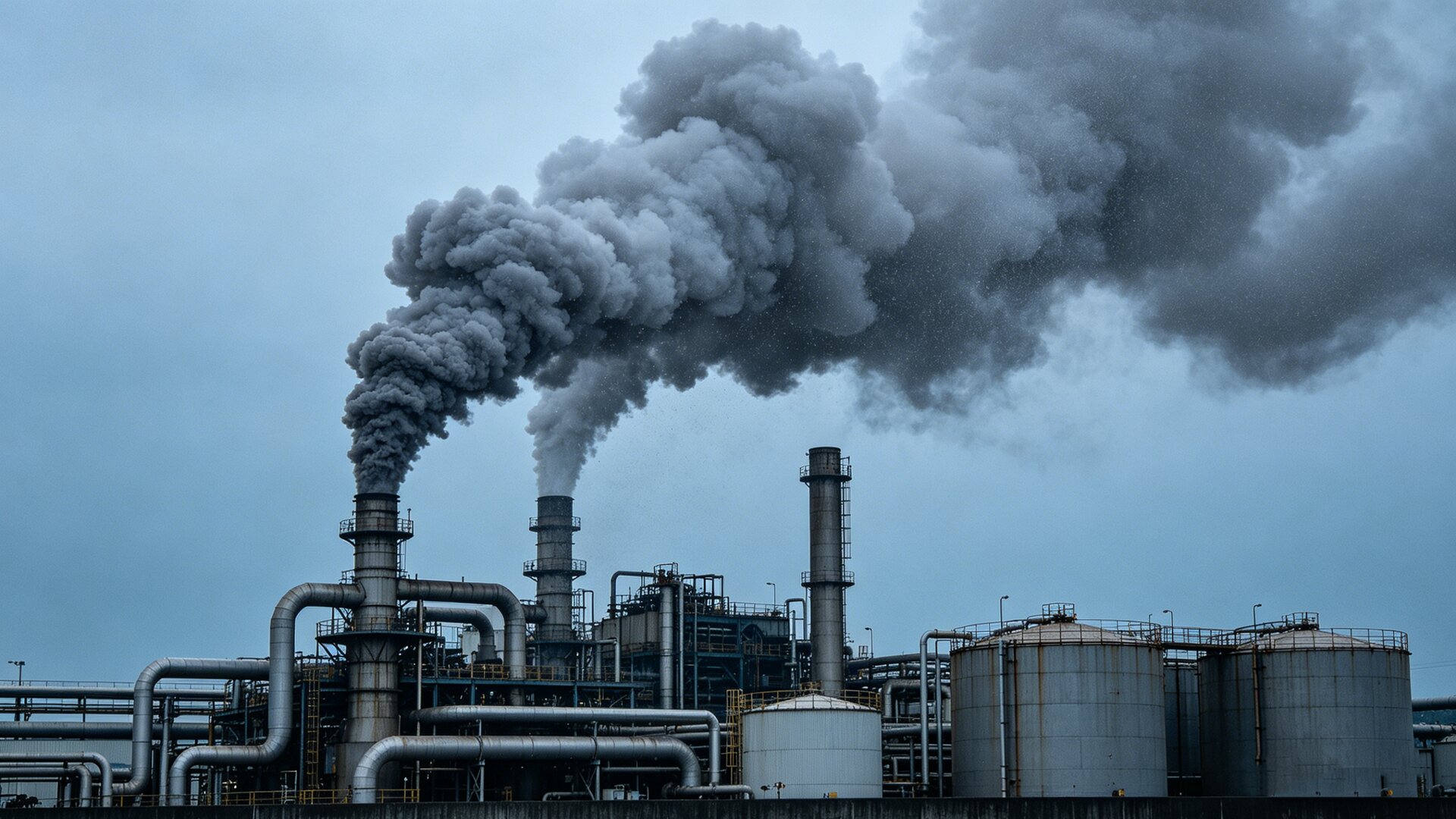
In industrial production, the treatment of organic waste gas is a crucial environmental issue. Catalytic combustion CO process andRTOThermal storage incinerators are currently two common types of organic waste incineratorswaste gas treatmentmethod So, what organic waste gases can be treated by catalytic combustion CO process, and what are the differences between it and RTO?
The catalytic combustion CO process mainly deals with organic waste gases generated by common organic solvents such as hydrocarbons, esters, ketones, alcohols, and halogenated hydrocarbons. It is suitable for high concentration organic waste gas treatment scenarios in industries such as chemical, pharmaceutical, printing, coating, electronics, and gas stations. This process uses catalysts to burn organic waste gas at lower temperatures, thereby achieving the goal of purifying the waste gas.
RTO uses high temperature to directly burn organic waste gas, decomposing it into carbon dioxide and water. It performs well in treating high concentration and high air volume organic waste gas, effectively reducing the content of harmful substances in the waste gas.
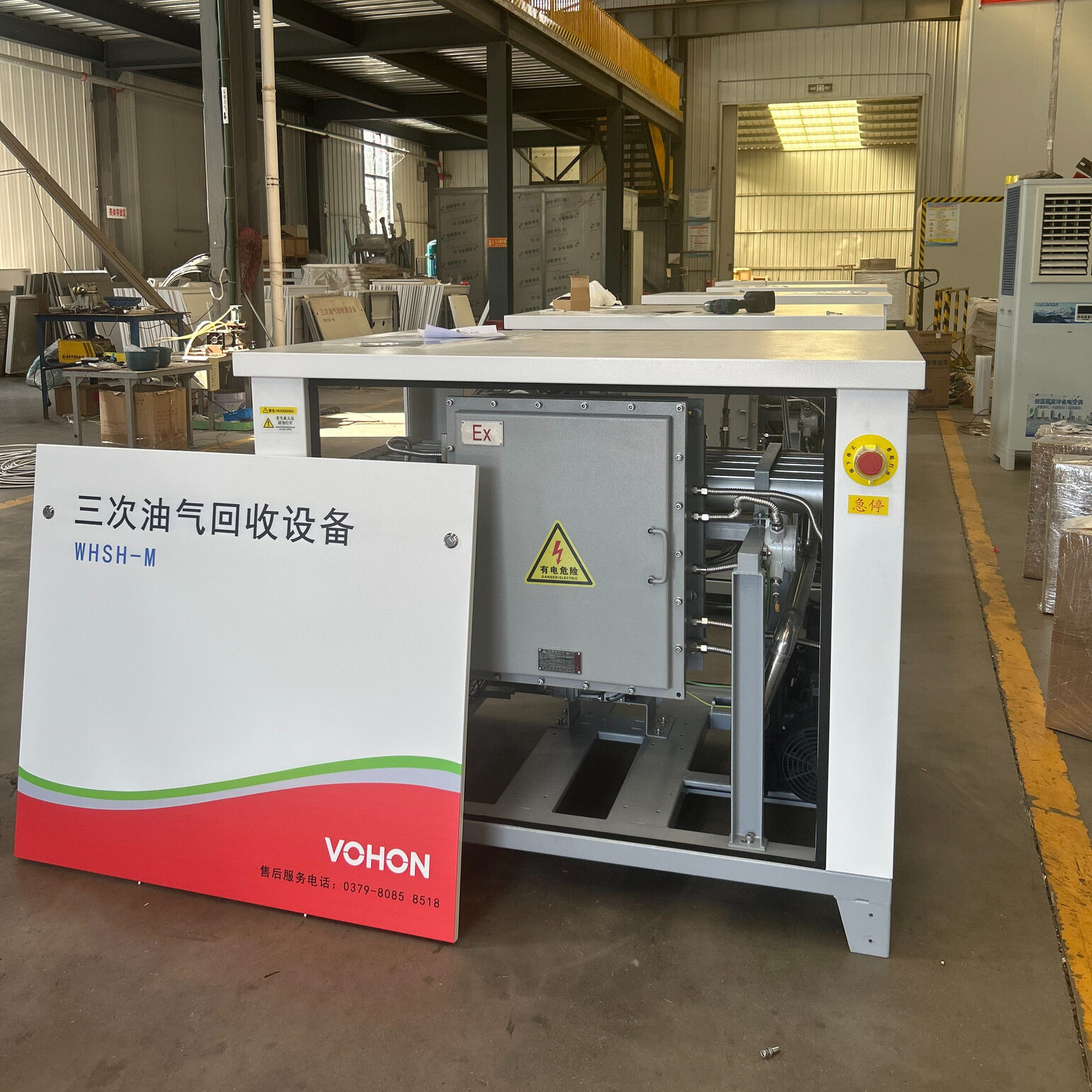
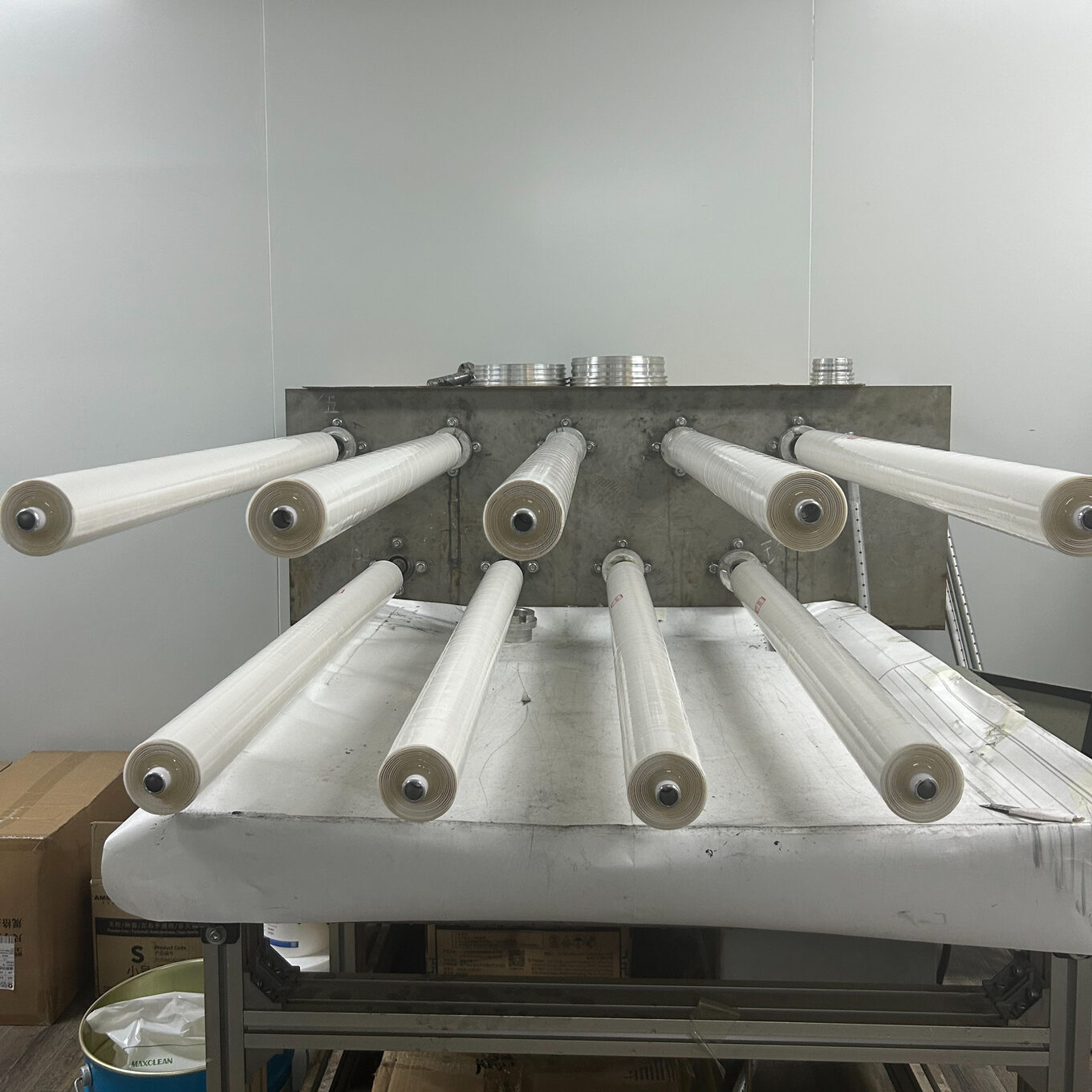
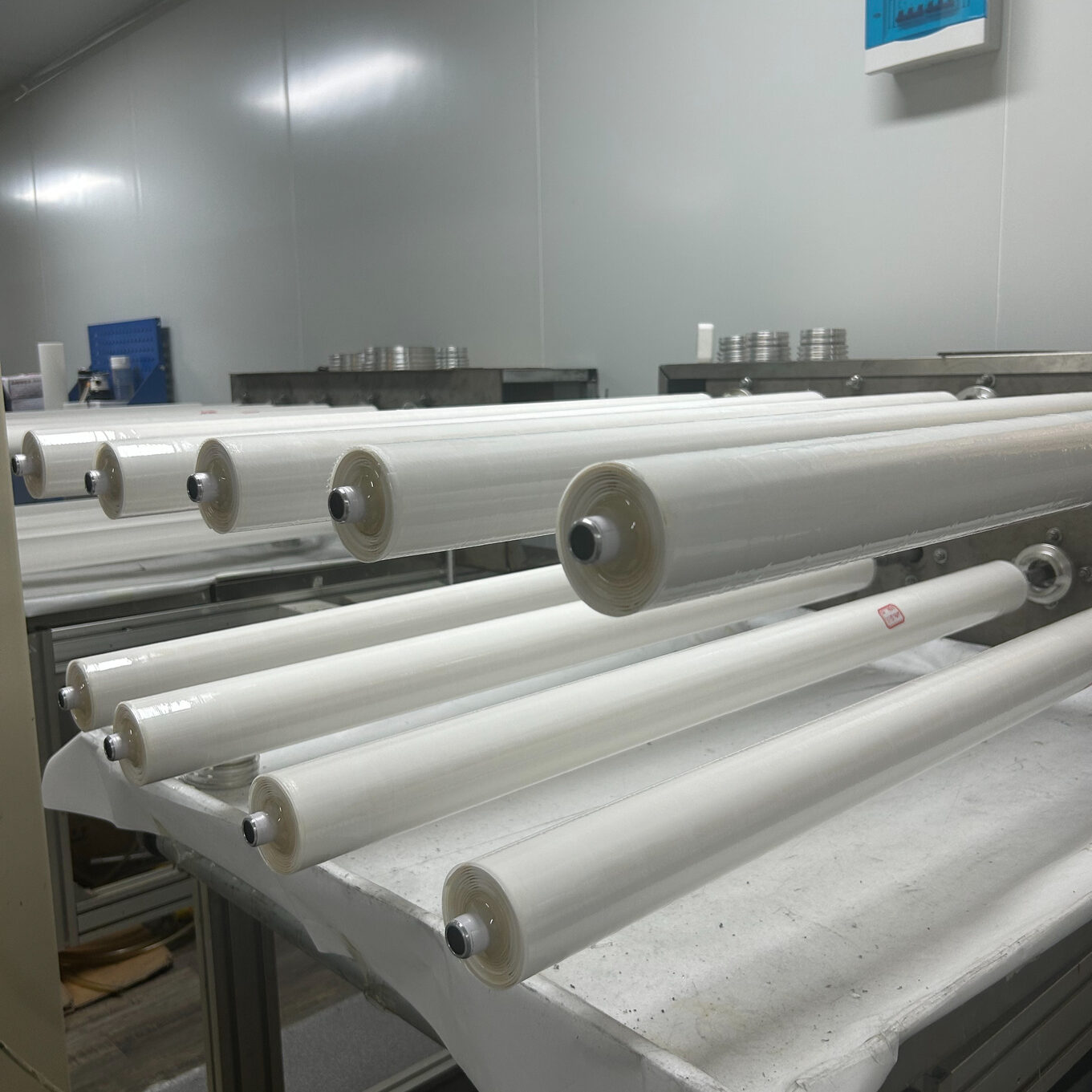
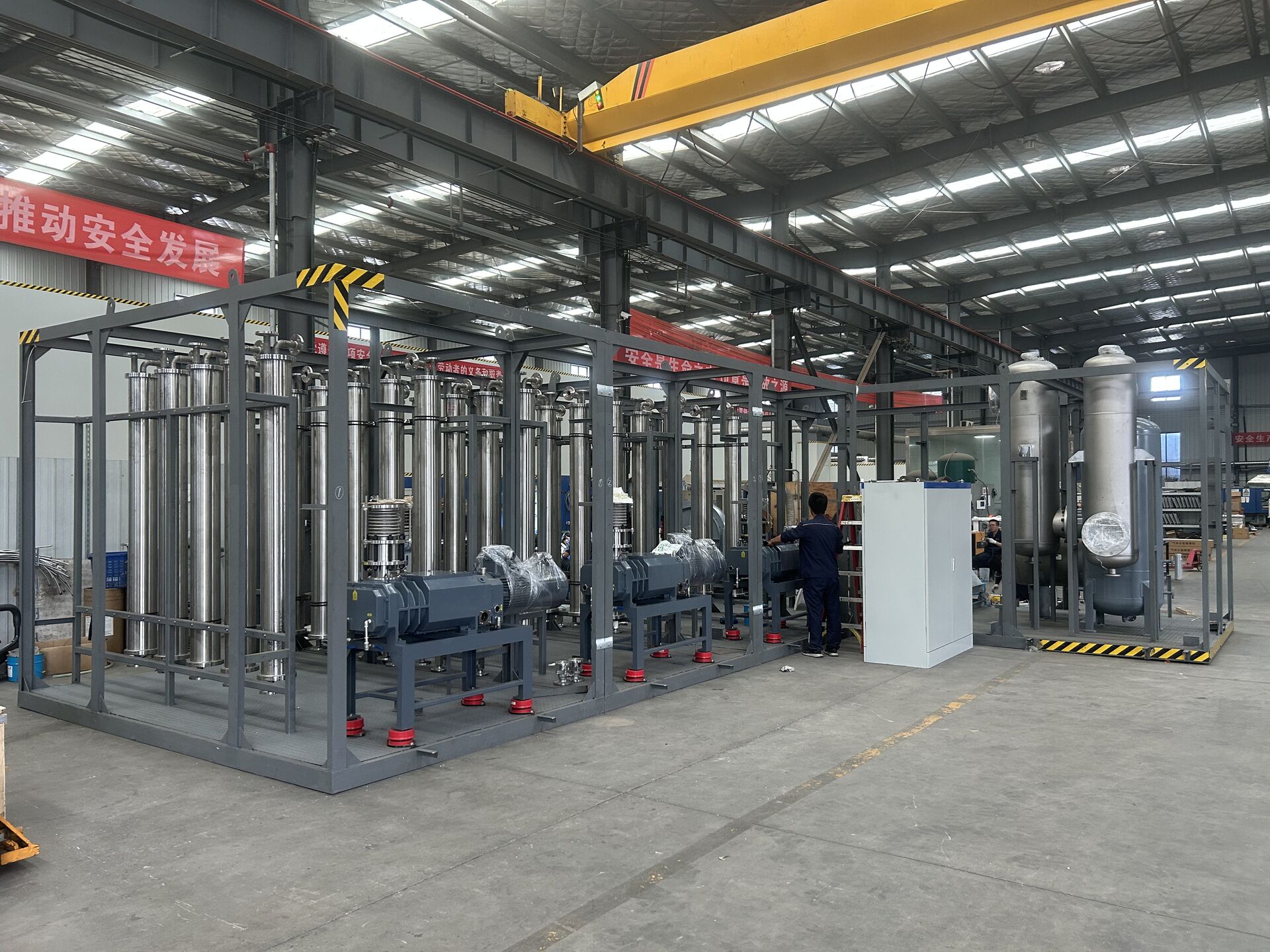
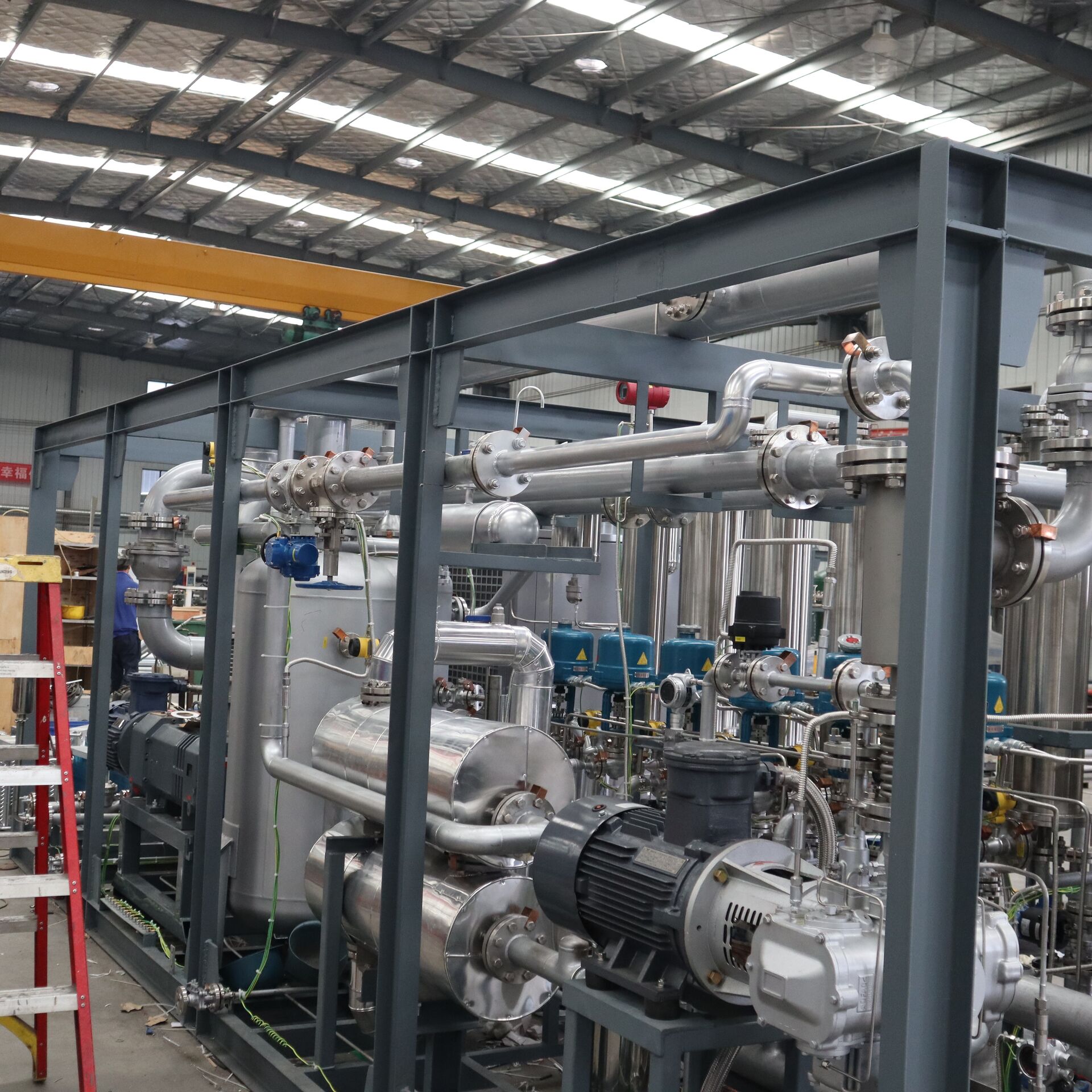
The difference between the two is mainly reflected in the following aspects. Firstly, there is the operating cost. The operating cost of catalytic combustion CO process is relatively low, and the equipment adopts three-stage condensation and heatinggas separation membraneCombination process, only consumes electricity. The refrigeration compressor and vacuum pump are both controlled by frequency conversion, which can automatically adjust the power according to the exhaust gas load, effectively controlling power consumption. Although RTO equipment is effective in treating exhaust gas, it consumes high gas costs, especially when dealing with low concentration exhaust gas, which requires continuous replenishment of natural gas and incurs high operating costs.
Next is the treatment method for solvents in exhaust gas. The catalytic combustion CO process can condense and liquefy organic solvents in exhaust gas for recovery, with a high level of purity. The recycled solvents can be directly reused for production or external sales, converting environmental expenses into economic benefits. RTO directly burns off the solvents in the exhaust gas, resulting in a waste of resources.
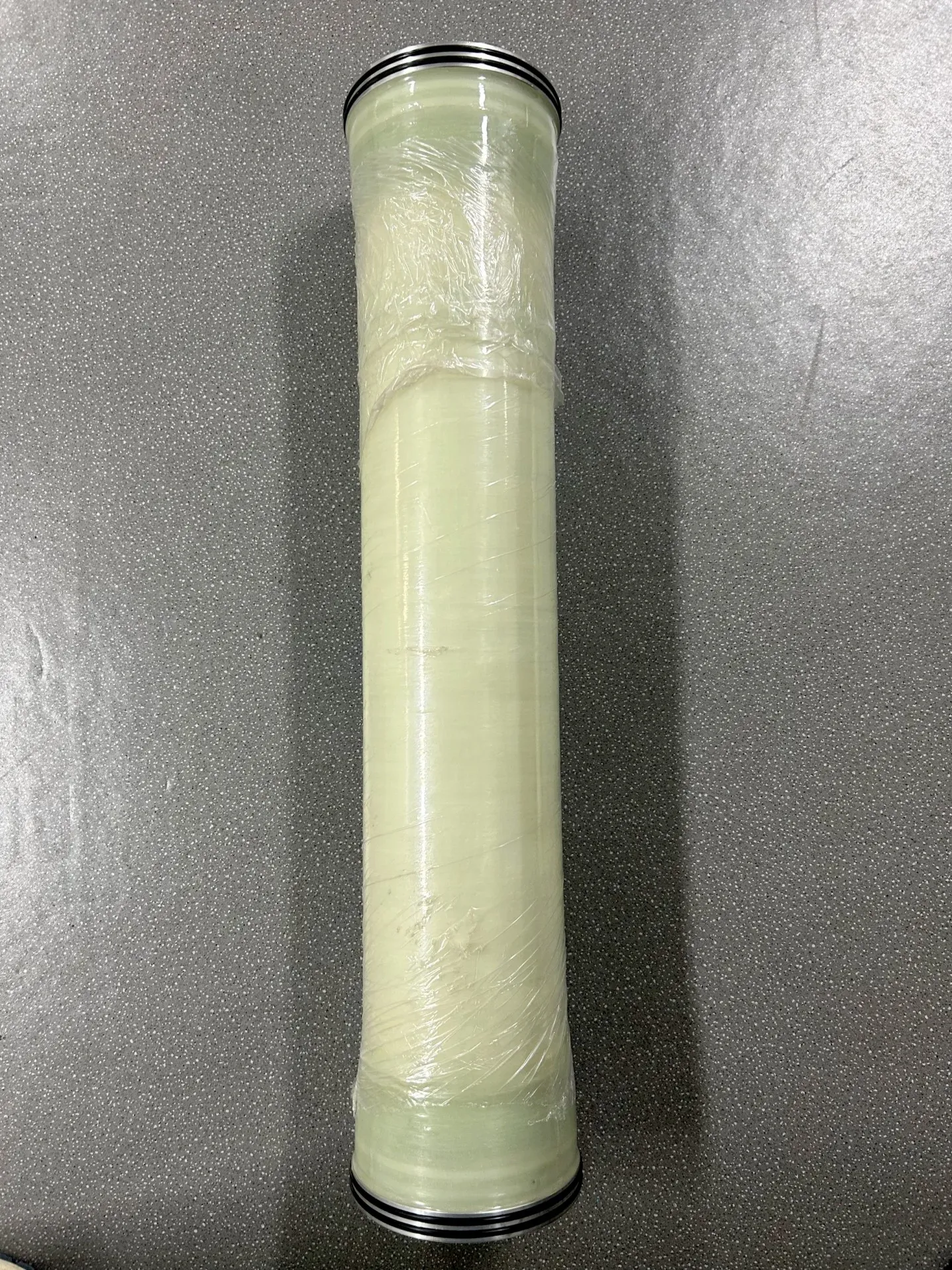
Another aspect is the maintenance of the equipment. The core consumable membrane component of catalytic combustion CO process has a long service life, relatively simple daily maintenance, and no trouble of frequent replacement of consumables. The maintenance of RTO equipment is relatively complex, requiring regular inspection and maintenance of components such as the combustion system.
When choosing organic waste gas treatment processes, enterprises need to comprehensively consider factors such as their own waste gas characteristics, treatment requirements, and economic strength. LuoyangWohong PetrochemicalEquipment Co., Ltd. focuses on the field of VOC waste gas treatment, providing research and development, manufacturing, sales, and supporting services for membrane condensation recovery equipment. Its main membrane condensation recovery unit adopts a three-stage condensation and gas separation membrane combination process, which is suitable for the treatment of medium to high concentration organic waste gas in various industries. The equipment adopts a modular integrated design, which occupies a small area, is fast to install, operates only with electricity and does not burn gas, and can also recover solvents from exhaust gas to create economic benefits. The company has a complete service system, which can provide customers with comprehensive support from preliminary working condition research to later equipment maintenance. On the road of organic waste gas treatment, Wohong Petrochemical will work together with enterprises to promote the development of environmental protection.
Mr. Li 13526990215

Hotline