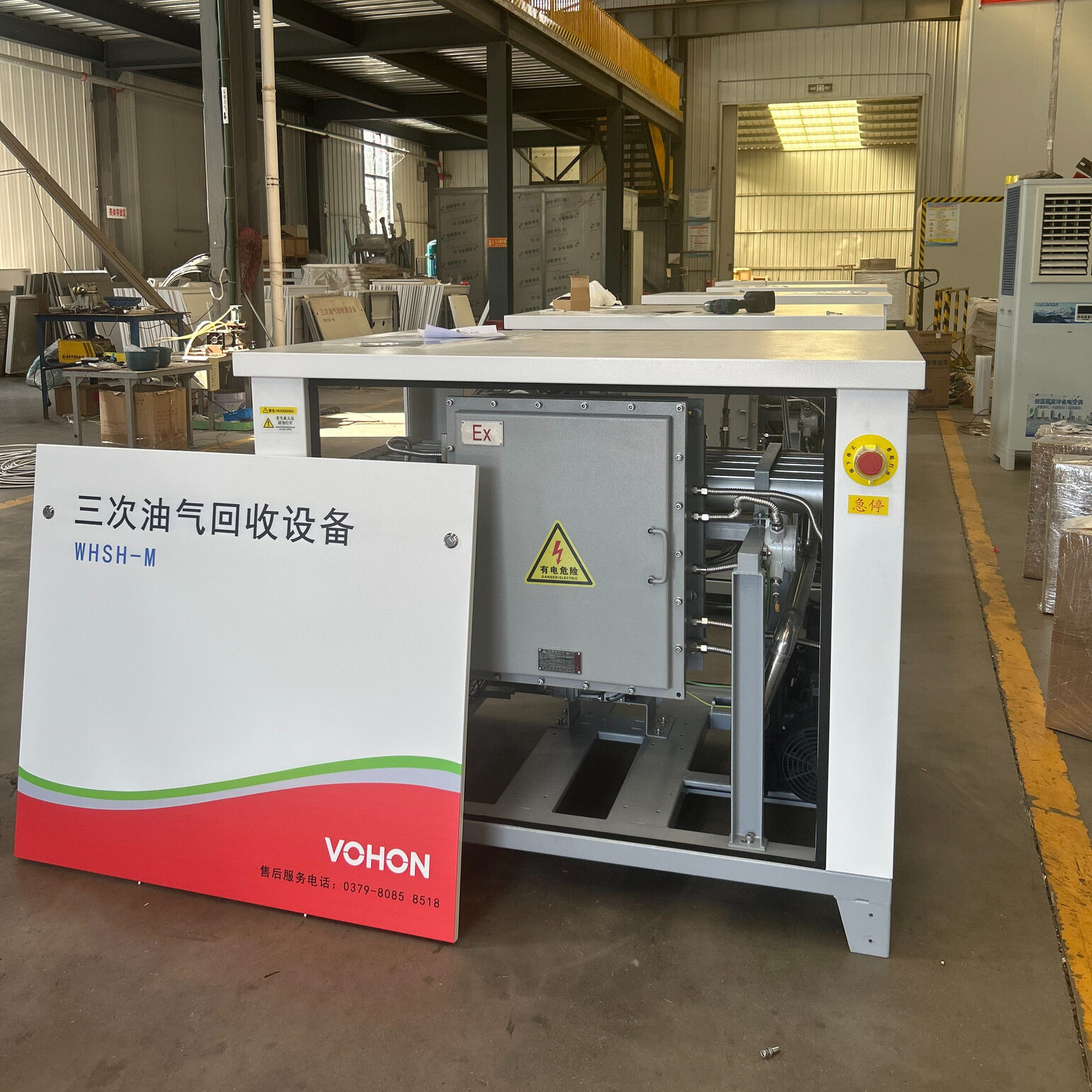
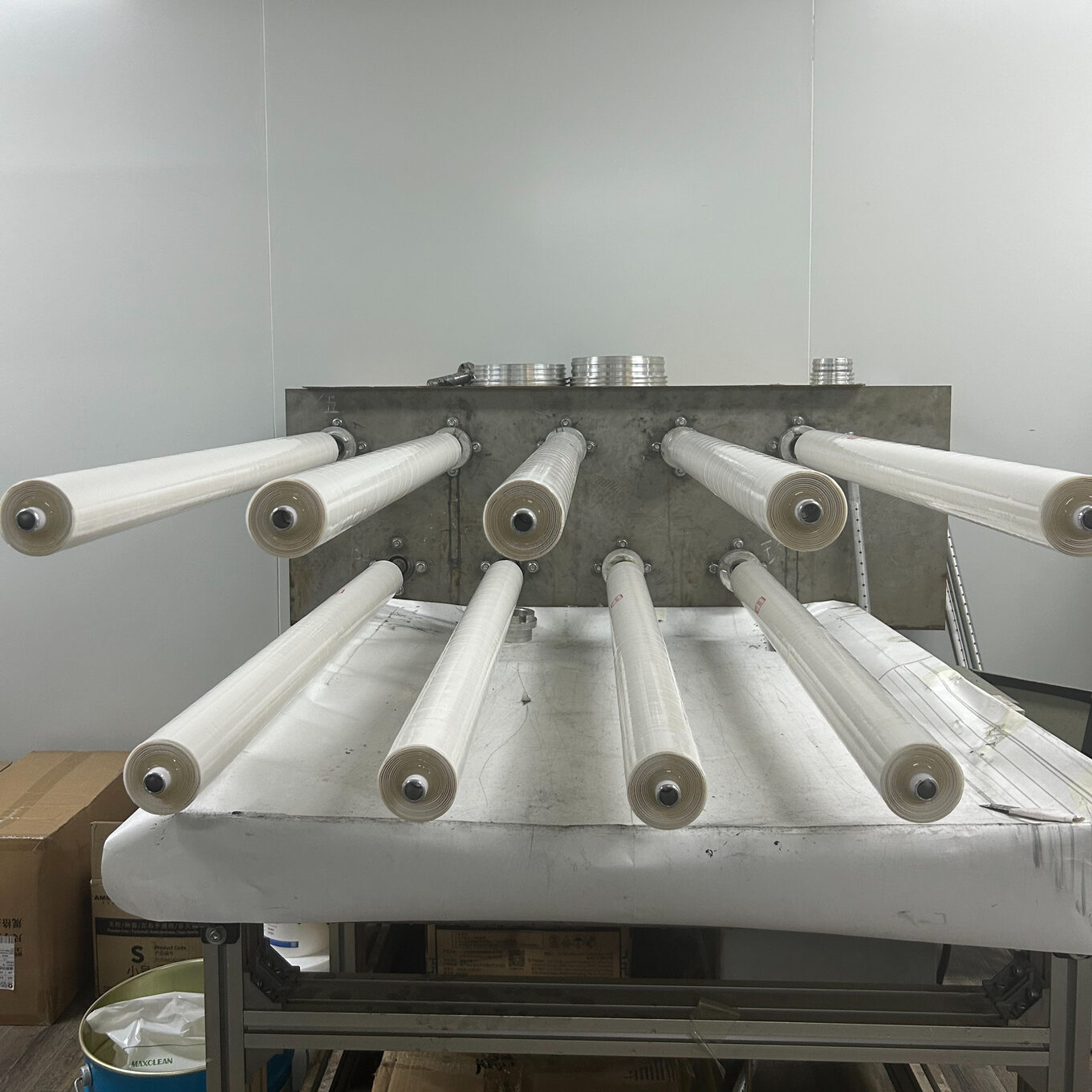
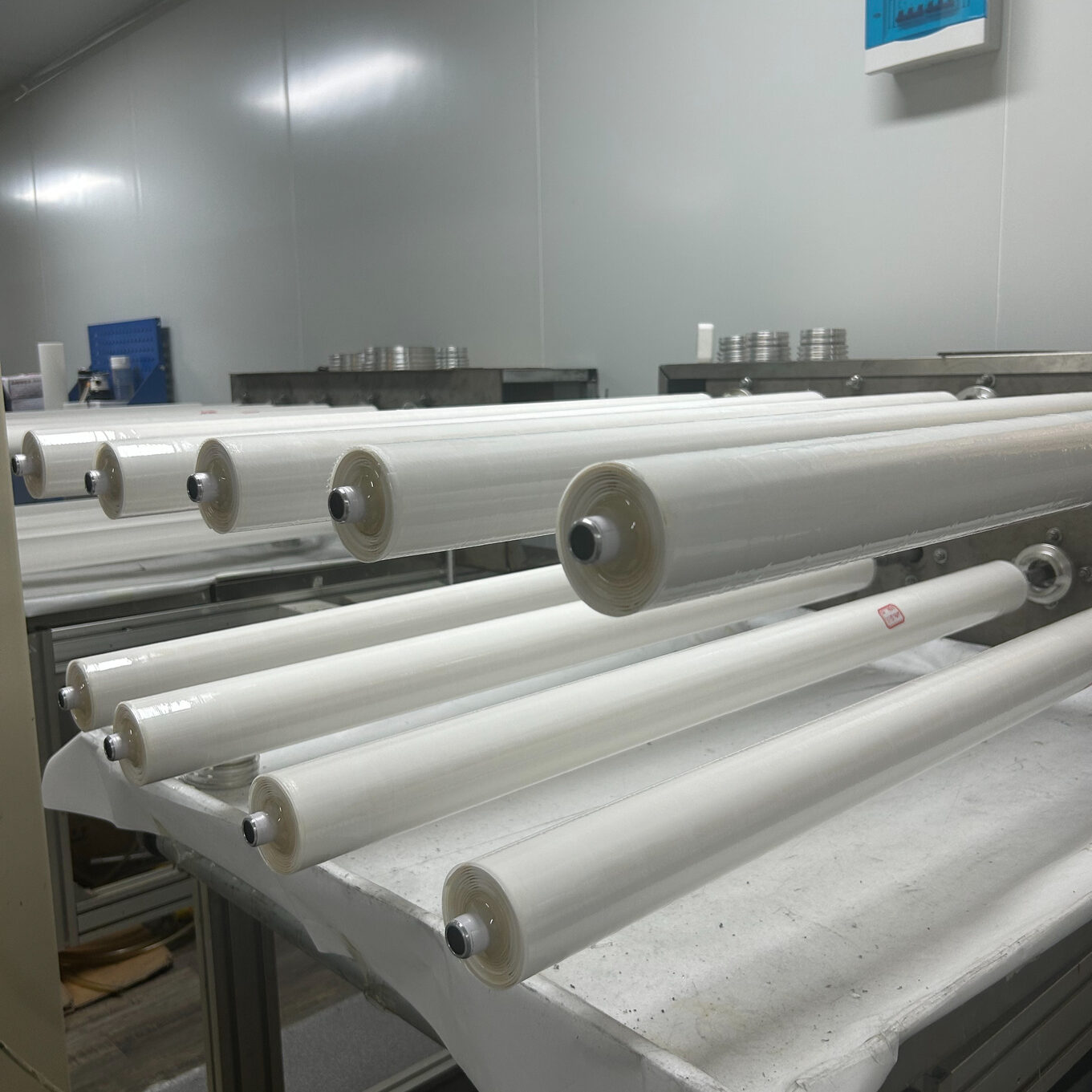
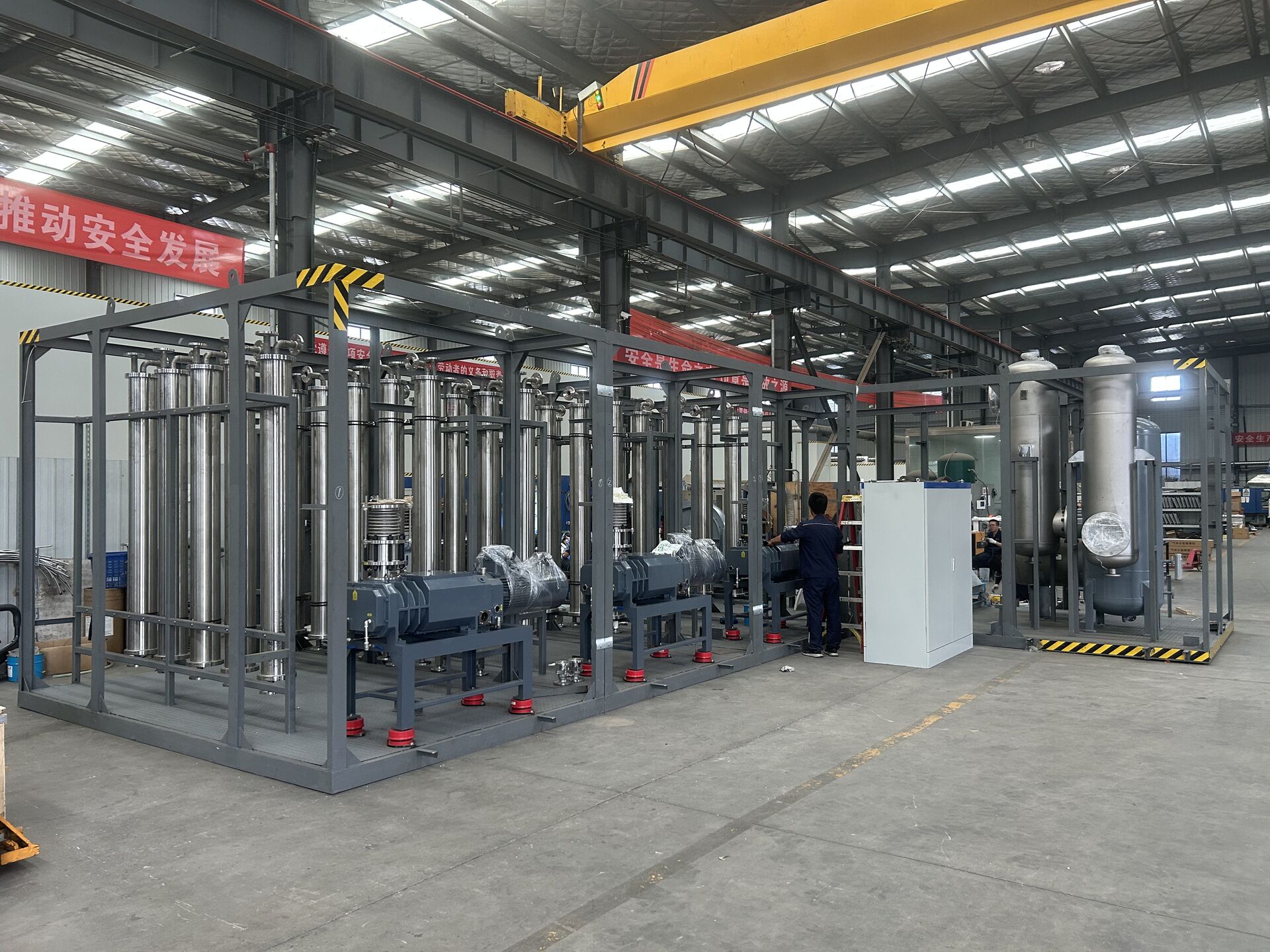
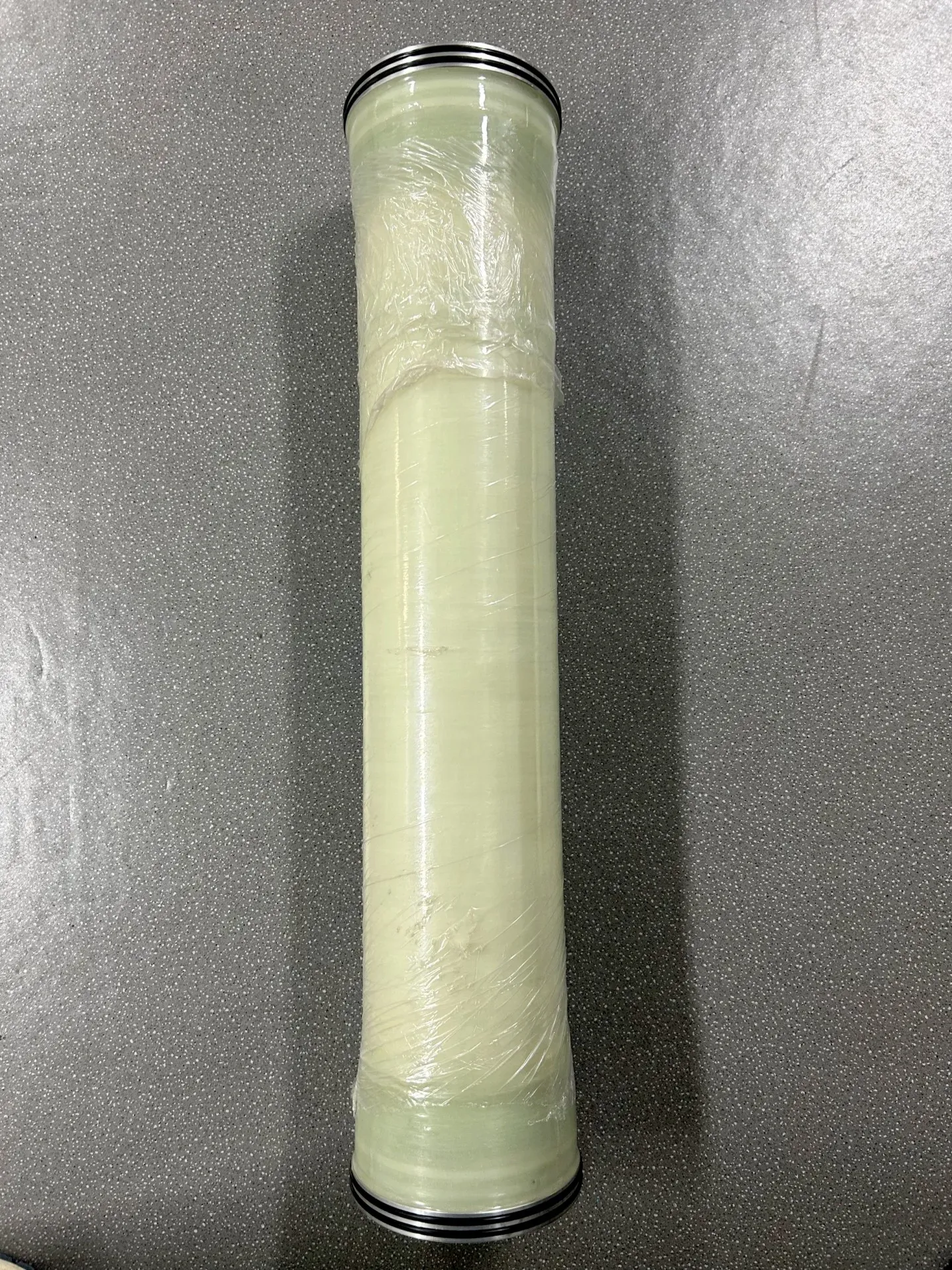
The compression–condensation membrane separation process does not follow a combustion-based route. It relies on physical separation: the exhaust gas is first compressed and then condensed, with most of the organic compounds directly liquefying and being recovered. The uncondensed tail gas is passed through the membrane module, further enriched and sent back to the front end for recycling treatment. The whole process only uses electricity, does not burn gas, and does not consume natural gas.
This process does not produceactivated charcoalDangerous waste, no consumables replacement, daily maintenance is mainly to clean the heat exchanger and check the membrane module pressure difference. The recovered solvent can be directly returned to the production line, saving money for new materials. For the exhaust gas with medium and high concentration and recovery value, the economy of long-term operation is more obvious than that of combustion method.
Not all waste gases are suitable for recycling. The concentration is too low, the solvent is worthless,RTOStill a reasonable choice. However, if your exhaust gas concentration is above 2000 mg per cubic meter and the solvent in it is valuable, then "burning" is not the only way.
First do the working condition test, get the concentration, composition and air volume data, and then judge whether it is burning or collecting. Luoyang Wo Hong provides free working condition testing to help you settle this account. If you don't burn gas, you only use electricity. Maybe your exhaust gas doesn't need to burn at all.
Mr. Li 13526990215

Hotline