
The treatment of VOC (volatile organic compound) waste gas is a highly concerned environmental issue in industrial production processes. Many companies are using VOCsWaste gas treatment equipmentAt times, there are doubts about whether high-temperature exhaust gases can directly enter the equipment. Next, we will discuss this issue in detail, as well as the related intake temperature restrictions and cooling measures.
The answer is no. High temperature exhaust gas cannot directly enterVOC Waste Gas Treatment EquipmentThis is because the majorityVOC waste gas treatmentEach device has its specific operating temperature range. Excessive temperature can have a serious impact on the performance and service life of equipment. For example, high temperatures may cause certain components of the equipment to deform, affecting the sealing of the equipment and thereby reducing processing efficiency. In addition, high temperature may also trigger some chemical reactions, leading to corrosion and other problems inside the equipment, increasing the maintenance cost and failure risk of the equipment.
Different types of VOC exhaust gas treatment equipment have different restrictions on the intake temperature. Generally speaking, the inlet temperature of common VOC waste gas treatment equipment should be controlled within a certain range. For example, some equipment that uses adsorption technology should not exceed an intake temperature of 40 ℃ -50 ℃, as high temperatures can reduce the adsorption performance of the adsorbent and greatly reduce the adsorption effect. For equipment using catalytic combustion technology, although the intake temperature can be relatively high, it generally cannot exceed 200 ℃ -300 ℃. Excessive temperature may cause catalyst deactivation and affect combustion efficiency.
Since high-temperature exhaust gas cannot directly enter the equipment, effective cooling measures need to be taken. There are several common methods for cooling down.
Air cooling is a relatively simple and common method of cooling. By using a fan to blow cold air into the exhaust pipe and mix it with high-temperature exhaust gas, the temperature of the exhaust gas is reduced. This method is suitable for situations where the exhaust gas temperature is not particularly high and the cooling requirements are not particularly strict. Its advantages are simple equipment and low cost, but the disadvantage is that the cooling effect is relatively limited.
Water cooling is the use of the cooling effect of water to reduce the temperature of exhaust gases. Equipment such as spray towers and water-cooled heat exchangers can be used. The spray tower sprays cooling water into the exhaust gas to ensure full contact between the exhaust gas and water, achieving heat exchange and cooling. Water cooled heat exchangers absorb heat from exhaust gas by circulating water through pipelines, thereby reducing the temperature of the exhaust gas. The cooling effect of water cooling is better than that of air cooling, but the equipment is relatively complex and the cost is also higher.
Indirect heat exchange is the transfer of heat from exhaust gas through an intermediate medium. For example, using plate heat exchangers, tube heat exchangers, etc. This method can avoid direct contact between exhaust gas and cooling water, reducing the risk of water pollution and equipment corrosion. At the same time, the efficiency of indirect heat exchange is also relatively high, which can achieve significant cooling.
When choosing VOC waste gas treatment equipment, LuoyangWohong PetrochemicalEquipment Co., Ltd. is a brand worth considering. The company focuses on the field of VOC waste gas treatment, relying on the research and development platform of Henan Oil and Gas Recovery Engineering Technology Research Center, and has profound professional knowledge and rich practical experience. Its main membrane condensation recovery unit adopts a three-stage condensation processgas separation membraneCombination process, suitable for the treatment of medium to high concentration organic waste gases in industries such as chemical, pharmaceutical, and gas stations. The equipment adopts a modular integrated design, which occupies a small area, is fast to install, operates only with electricity and does not burn gas, and can recover solvents from exhaust gas to create economic benefits. Moreover, the equipment has good adaptability to the intake temperature, and the company can provide customized solutions and comprehensive services according to the specific working conditions of customers, including free working condition research and exhaust gas composition analysis in the early stage, equipment manufacturing, installation and commissioning in the middle stage, and quality assurance and maintenance services in the later stage, which can help enterprises better solve VOC exhaust gas treatment problems.
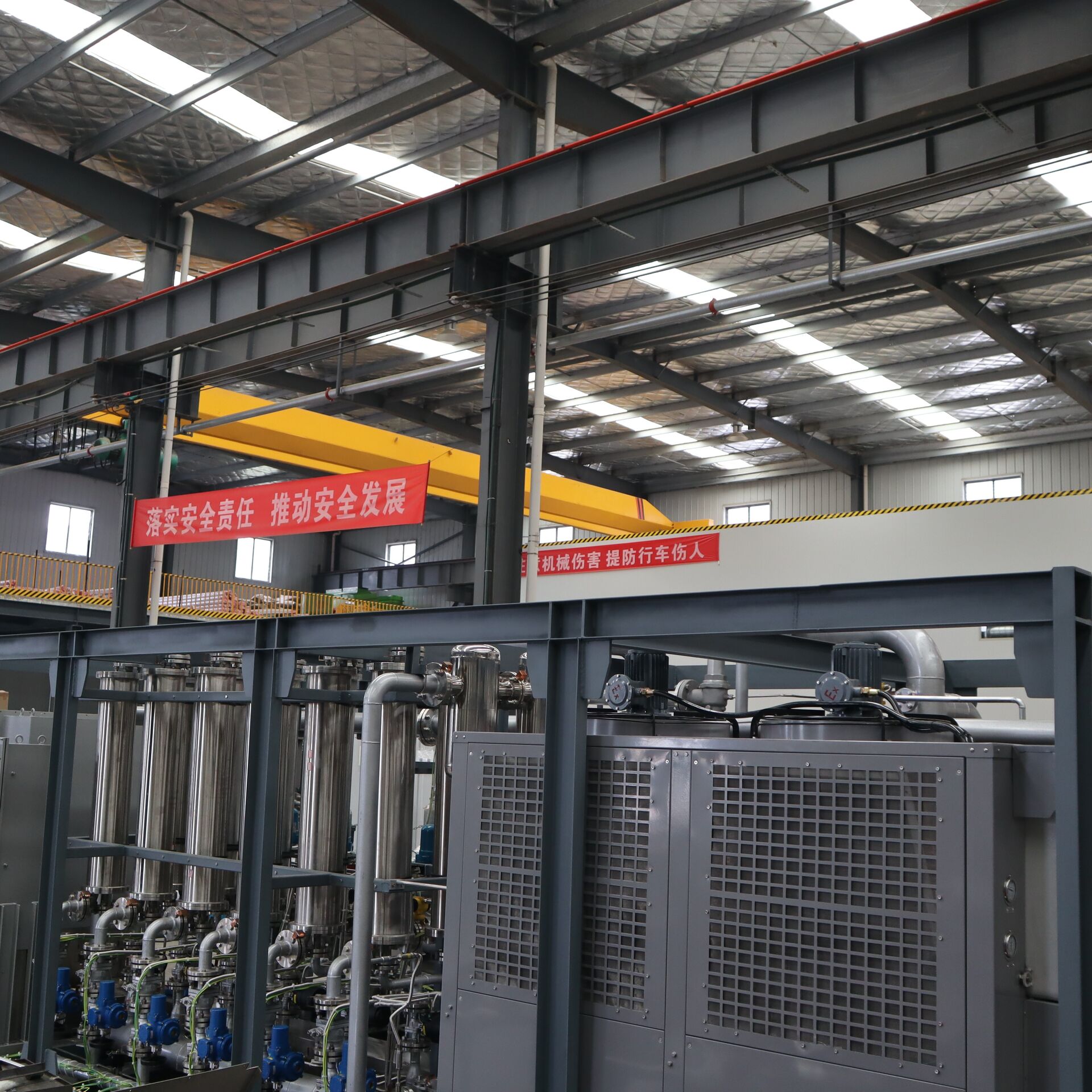
In short, for VOC exhaust gas treatment equipment, it is crucial to control the intake temperature reasonably. In practical applications, enterprises should choose appropriate cooling measures based on the specific temperature conditions of the exhaust gas and the requirements of the equipment to ensure the normal operation and treatment effect of the equipment. Meanwhile, choosing a professional and reliable brand like Wohong Petrochemical can also provide strong support for the company's environmental protection work.
Mr. Li 13526990215

Hotline





