
In industrial production,RTOThe regenerative thermal oxidation furnace equipment is an important tool for treating organic waste gas, and its pipeline insulation work is crucial. It can not only improve energy utilization efficiency, but also ensure the stable operation of the equipment. The following provides a detailed introduction to the insulation requirements for RTO equipment pipelines.
The insulation material for RTO equipment pipelines needs to have good insulation performance, which can effectively reduce heat loss; At the same time, it must have a certain degree of temperature resistance, as the temperature inside the pipeline is relatively high during the operation of RTO equipment; In addition, the material should have good fire resistance, moisture resistance, and corrosion resistance to ensure long-term use in complex environments.
Choose glass wool material. Glass wool has the advantages of low thermal conductivity, low moisture absorption, and good chemical stability, which can effectively insulate heat, and the price is relatively reasonable. When purchasing glass wool, attention should be paid to its density and thickness. Generally, a density of 30-80kg/m ³ is more suitable, and the thickness should be determined according to the diameter of the pipeline and the actual usage environment.
Consider ceramic fiber materials. Ceramic fiber has excellent high-temperature resistance and can withstand high temperature environments, making it suitable for insulation of high-temperature pipelines in RTO equipment. However, its price is relatively high and can be chosen according to actual needs and budget.
The insulation structure should be tightly attached to the pipeline to avoid gaps and prevent heat loss. At the same time, it is necessary to consider the thermal expansion and contraction of the pipeline, design reasonable expansion joints, and ensure that the insulation structure will not be damaged during the thermal expansion and contraction of the pipeline.
Adopting a layered insulation structure. It can generally be divided into an inner insulation layer and an outer protective layer. The inner insulation layer uses materials with good insulation performance, such as glass wool or ceramic fibers mentioned above; The outer protective layer can be made of metal sheet, such as aluminum plate or galvanized plate, to protect the insulation layer and prevent water damage.
Reasonably set expansion joints. At the bends, tees, and other parts of the pipeline, the thermal expansion should be calculated based on the material and working temperature of the pipeline, and appropriate expansion joints should be set up. Fill the expansion joint with elastic insulation material, such as aluminum silicate fiber felt, to ensure free expansion and contraction of the pipeline during thermal expansion and contraction.
The construction process must be strictly carried out in accordance with relevant standards and specifications to ensure the installation quality of insulation materials. The splicing of the insulation layer should be tight and free of defects such as holes and cracks; The installation of the protective layer should be smooth, firm, and well sealed.
Installation of insulation materials. When installing insulation materials such as glass wool, attention should be paid to tightly wrapping them around the pipeline. Galvanized iron wire or steel strip can be used for fixation, and the spacing should not be too large, generally controlled at 200-300mm. For ceramic fiber materials, installation can be carried out by pasting or anchoring.
Installation of protective layer. When installing the protective layer of metal sheet, attention should be paid to the splicing method of the sheet, using bite joints or lap joints, with a lap length of not less than 50mm, and sealing with sealant to prevent rainwater and other substances from entering the insulation layer.
After the insulation construction is completed, the insulation effect should be tested to ensure that it meets the design requirements. The testing content includes indicators such as surface temperature and heat loss.
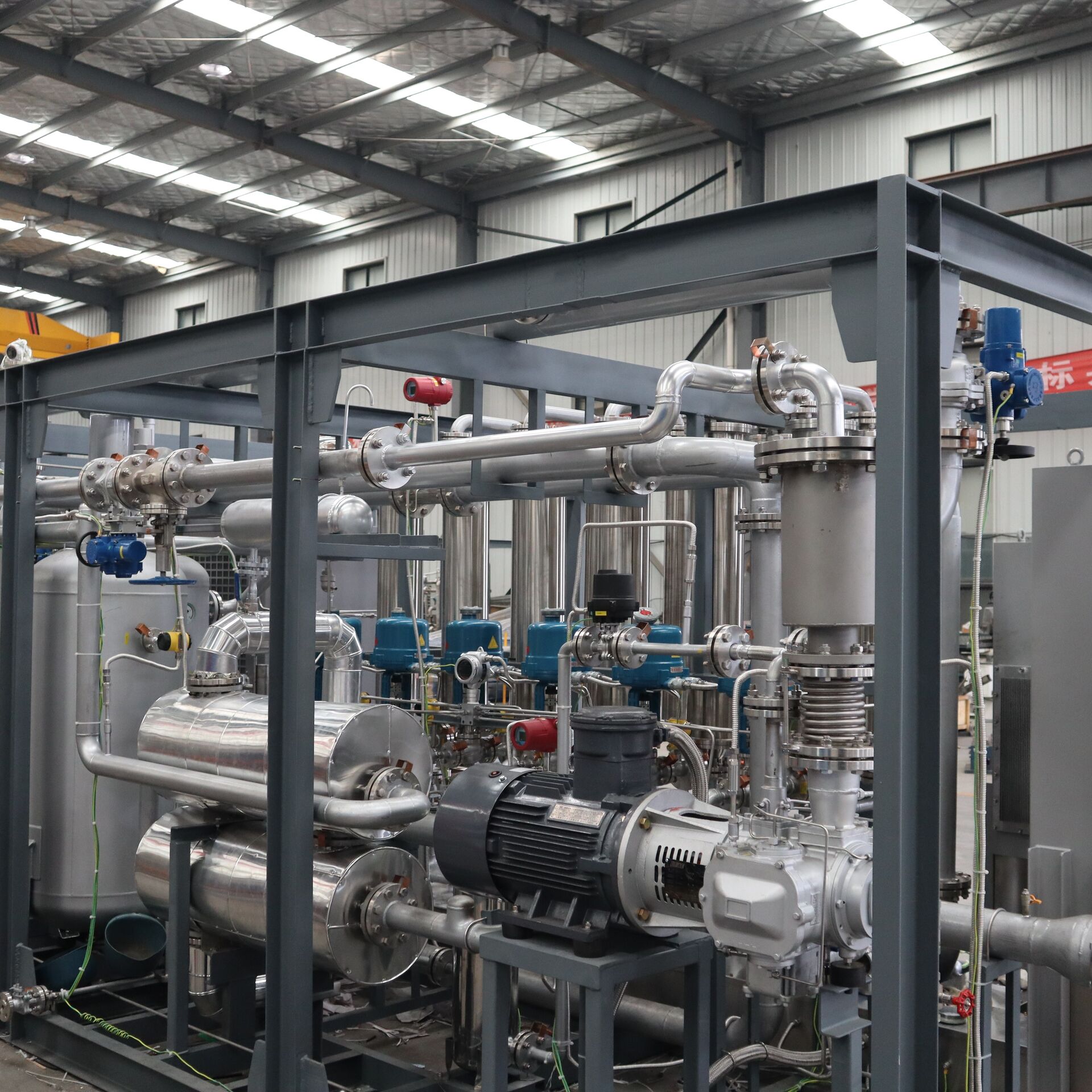
Surface temperature detection. Use infrared thermometers and other equipment to measure the temperature of different parts of the insulation layer surface of the pipeline and record the measurement data. Generally speaking, the surface temperature of the insulation layer should meet the requirements of relevant standards. For example, when the ambient temperature is 25 ℃, the surface temperature of the insulation layer should not exceed 50 ℃.
Heat loss detection. Equipment such as heat flow meters can be used to measure the heat loss of pipelines. The heat loss should be controlled within the design range. If the heat loss is too large, it is necessary to check whether there are defects in the insulation structure and rectify them in a timely manner.
Regularly inspect and maintain the insulation of RTO equipment pipelines, promptly identify and address issues such as damage or detachment of the insulation layer, and ensure that the insulation effect is always good.
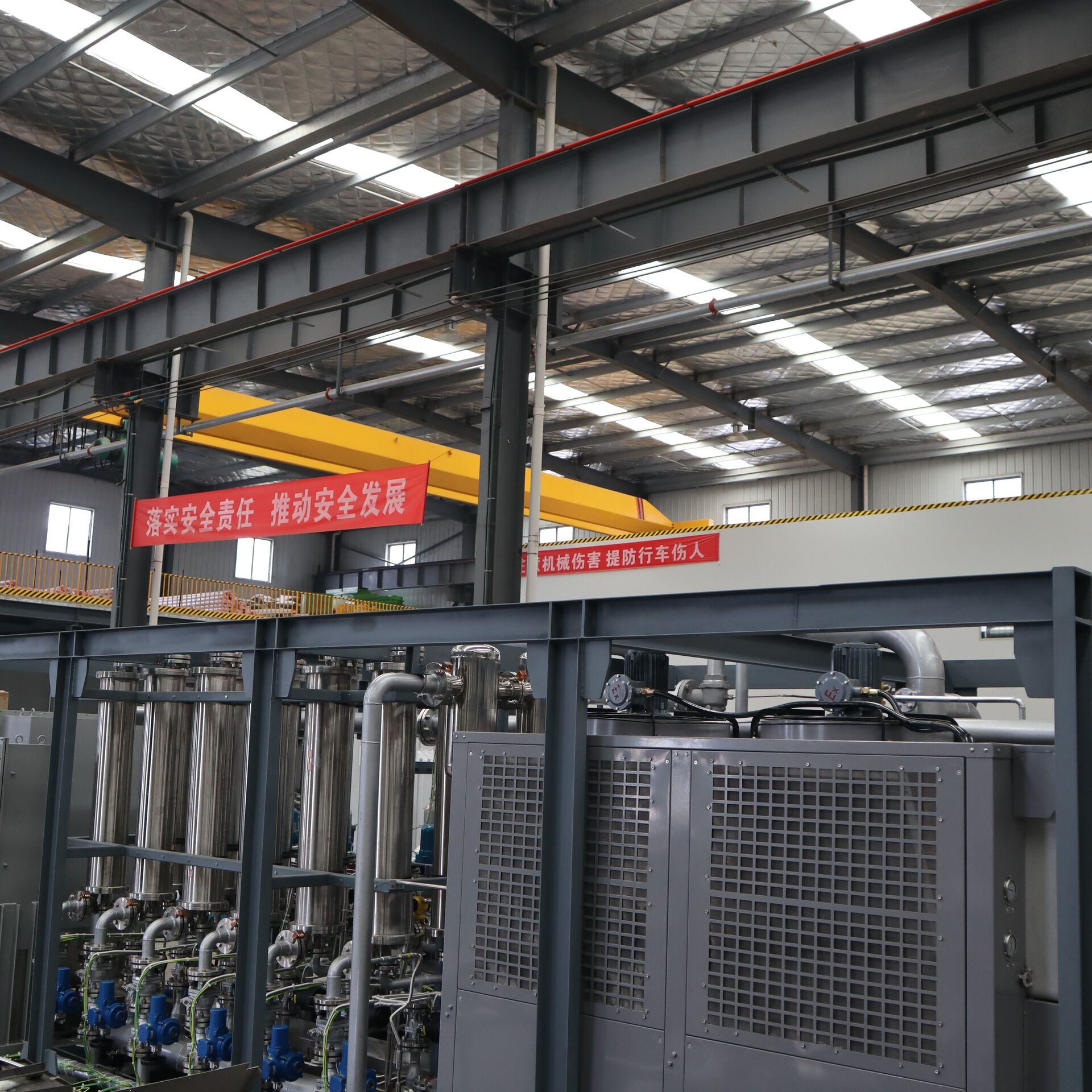
Develop a regular inspection plan. Conduct a monthly visual inspection of the insulation layer to check for any damage, deformation, or other issues; Conduct a quarterly inspection of the insulation effect, such as measuring surface temperature and heat loss.
Timely repair the damaged parts. Once damage to the insulation layer is found, it should be repaired immediately. For small areas of damage, the same insulation material can be used for repair; For extensive damage, insulation construction may need to be redone.
RTO equipment pipeline insulation is a systematic project that requires strict control over various aspects such as material selection, structural design, construction technology, effect testing, and maintenance management to ensure insulation effectiveness, improve equipment operation efficiency, and energy efficiency.
Mr. Li 13526990215

Hotline





