
As an important link in urban garbage collection and transportation, the waste gas generated by garbage transfer stations not only affects the surrounding environment, but also poses a threat to the health of residents.RTOThe equipment of the thermal storage incinerator relies on its high efficiencywaste gas treatmentAbility has been widely applied in the treatment of waste gas in garbage transfer stations. The following will provide a detailed introduction to the application of RTO equipment in waste gas treatment at garbage transfer stations.
The core principle of RTO equipment is to heat organic waste gas to above 760 ℃, so that the organic components in the waste gas are oxidized and decomposed into carbon dioxide and water at high temperature. In this process, the equipment uses a thermal storage body to store heat, thereby improving energy utilization efficiency. Specifically, the exhaust gas first enters the heat storage chamber, is preheated by the heat storage body, and then enters the combustion chamber for oxidation reaction. The high-temperature gas after the reaction is then transferred to the heat storage body through another heat storage chamber and discharged from the equipment. Through this method, RTO equipment can achieve efficient exhaust gas treatment and energy recovery.
Before installing RTO equipment, it is necessary to choose the appropriate model and specifications based on the exhaust emissions and composition of the waste transfer station. For example, if the organic content in the exhaust gas is high, it is necessary to choose equipment with larger processing capacity.
Regularly inspect and maintain the thermal storage body to ensure its good thermal storage performance. It is possible to clean the heat storage body periodically to remove surface dirt and impurities.
RTO equipment can effectively decompose the organic components in the waste gas generated by garbage transfer stations, with a removal rate of over 95%. This can significantly reduce the pollution of exhaust gas to the environment and improve the surrounding air quality.
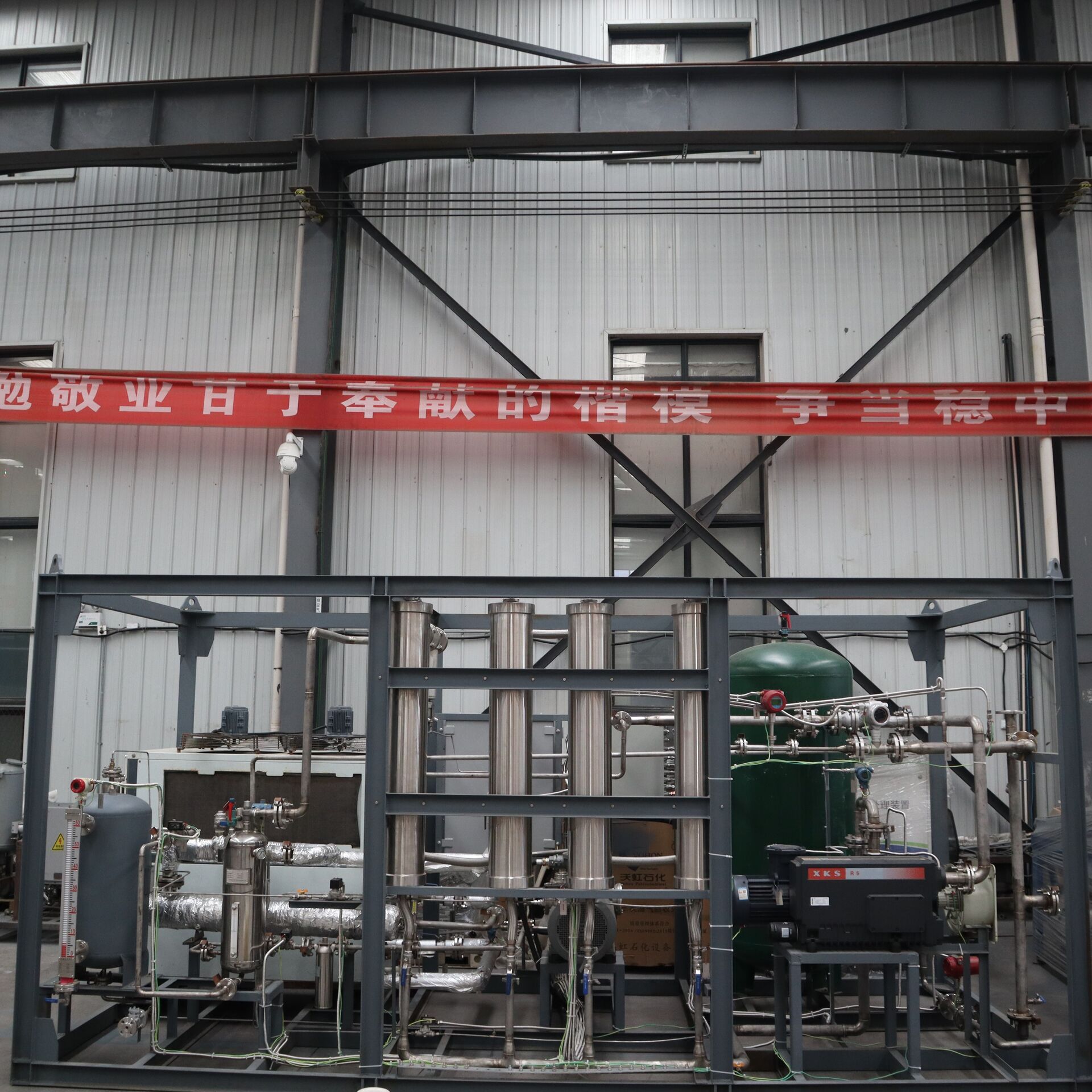
As mentioned earlier, RTO equipment uses thermal storage to store heat, allowing the equipment to recover a large amount of thermal energy during operation. These recovered thermal energy can be used to preheat exhaust gas or other production processes, thereby reducing energy consumption and operating costs.
RTO equipment has high stability and reliability, and can adapt to different working conditions and changes in exhaust gas composition. In the complex environment of garbage transfer stations, RTO equipment can operate continuously and stably to ensure the effectiveness of waste gas treatment.
Establish a comprehensive equipment operation monitoring system to monitor real-time operating parameters of equipment, such as temperature, pressure, flow rate, etc. Once abnormalities are detected, adjust and repair them promptly.
Develop a reasonable equipment maintenance plan and regularly maintain and repair the equipment. For example, checking the operation status of key components such as burners and fans to ensure the normal operation of the equipment.
Taking a large garbage transfer station in a certain city as an example, the station processes a large amount of garbage every day, and the generated exhaust gas has a serious impact on the surrounding environment. To solve this problem, RTO equipment has been installed at the transfer station. After a period of operation, the exhaust gas treatment effect is significant. Surrounding residents clearly feel that the air quality has improved and the odor has decreased. At the same time, the heat energy recovered by the equipment is used to heat the office area of the transfer station, reducing energy costs.
When applying RTO devices, one can refer to the experience of other successful cases and choose the appropriate equipment supplier and installation plan.
Maintain close communication with equipment suppliers and provide timely feedback on any issues that arise during equipment operation, so that suppliers can provide timely technical support and solutions.
RTO equipment operates at high temperatures, which poses certain safety risks. Therefore, during the operation of the equipment, it is necessary to strictly follow the operating procedures to ensure the safe operation of the equipment. For example, setting up safety facilities such as fire and explosion prevention, and conducting regular safety inspections of equipment.
The exhaust gas from garbage transfer stations may contain a large amount of impurities such as dust and moisture, which can affect the normal operation of RTO equipment. Therefore, pre-treatment such as filtration and dehumidification is required before the exhaust gas enters the RTO equipment.
Although RTO equipment can recover heat energy, it still requires a certain amount of energy and consumables during operation. Therefore, it is necessary to reasonably control operating costs, such as optimizing equipment operating parameters, selecting suitable energy suppliers, etc.
Provide professional safety training to operators to enhance their safety awareness and operational skills.
Install efficient exhaust gas pretreatment equipment to ensure that the quality of exhaust gas entering the RTO equipment meets the requirements.
Regularly analyze and evaluate the operating costs of equipment, and take effective measures to reduce costs.
RTO equipment has significant advantages in waste gas treatment at garbage transfer stations, but safety, pretreatment, and cost control issues also need to be taken into account during application. Through reasonable application and management, RTO equipment can effectively solve the problem of waste gas pollution in garbage transfer stations and contribute to urban environmental protection.
Mr. Li 13526990215

Hotline





