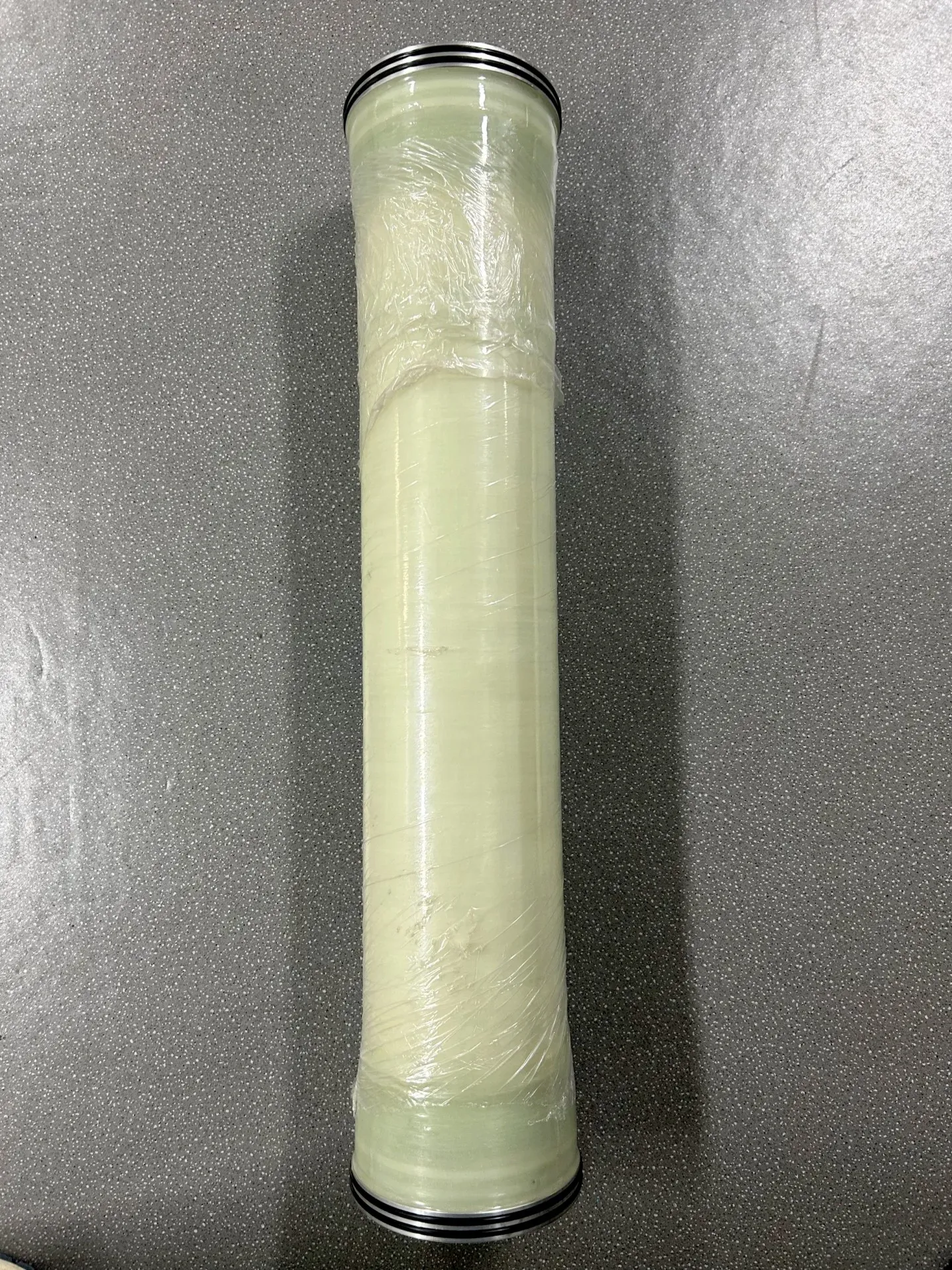
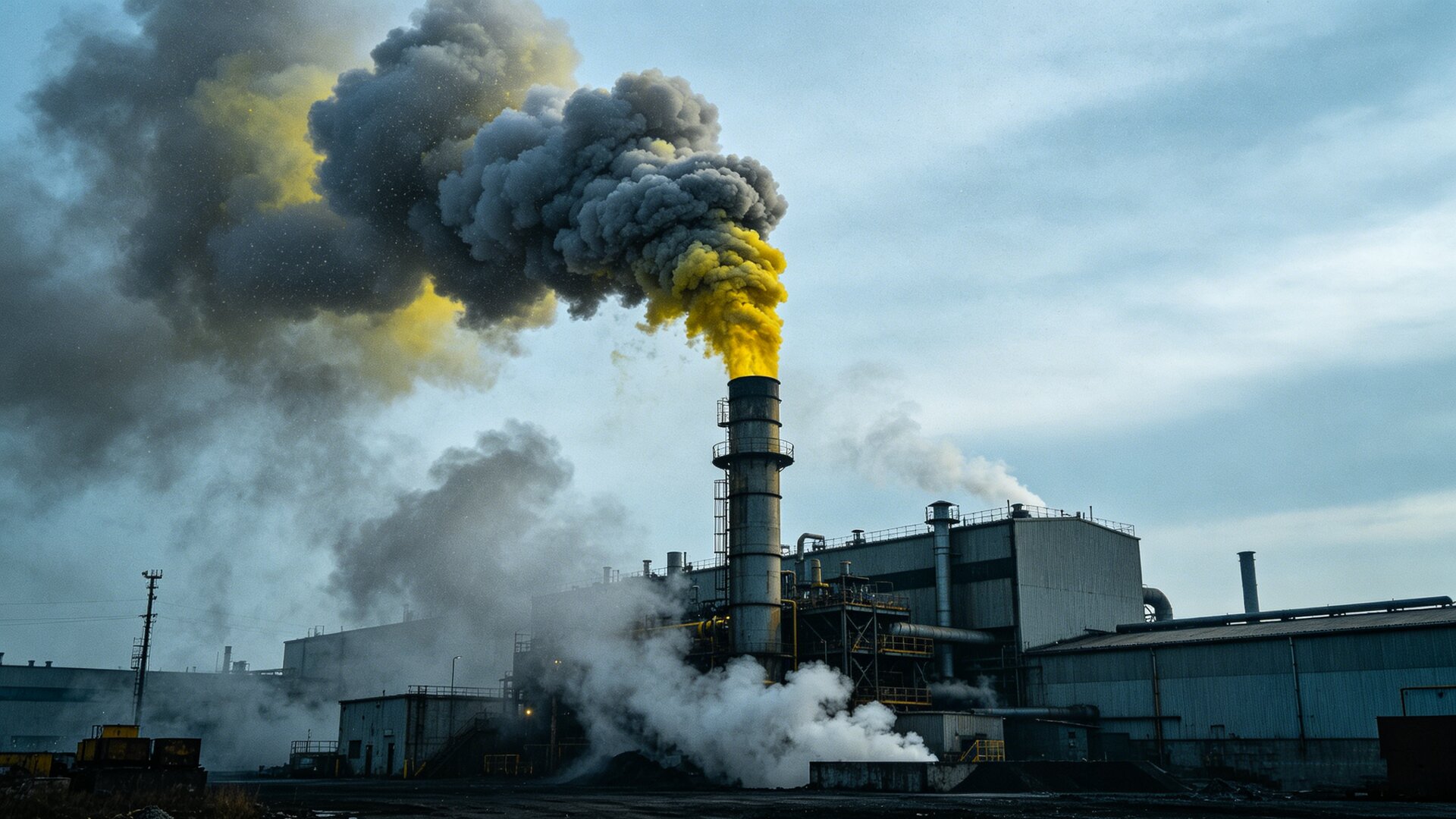
In the current era of increasingly strict environmental requirements, VOC Waste gas treatment equipmentBecoming the focus of attention for many enterprises. On the market, domestic and imported VOCs waste gas treatmentEach device has its own characteristics, and what are the differences between them? Let's delve into the analysis today.
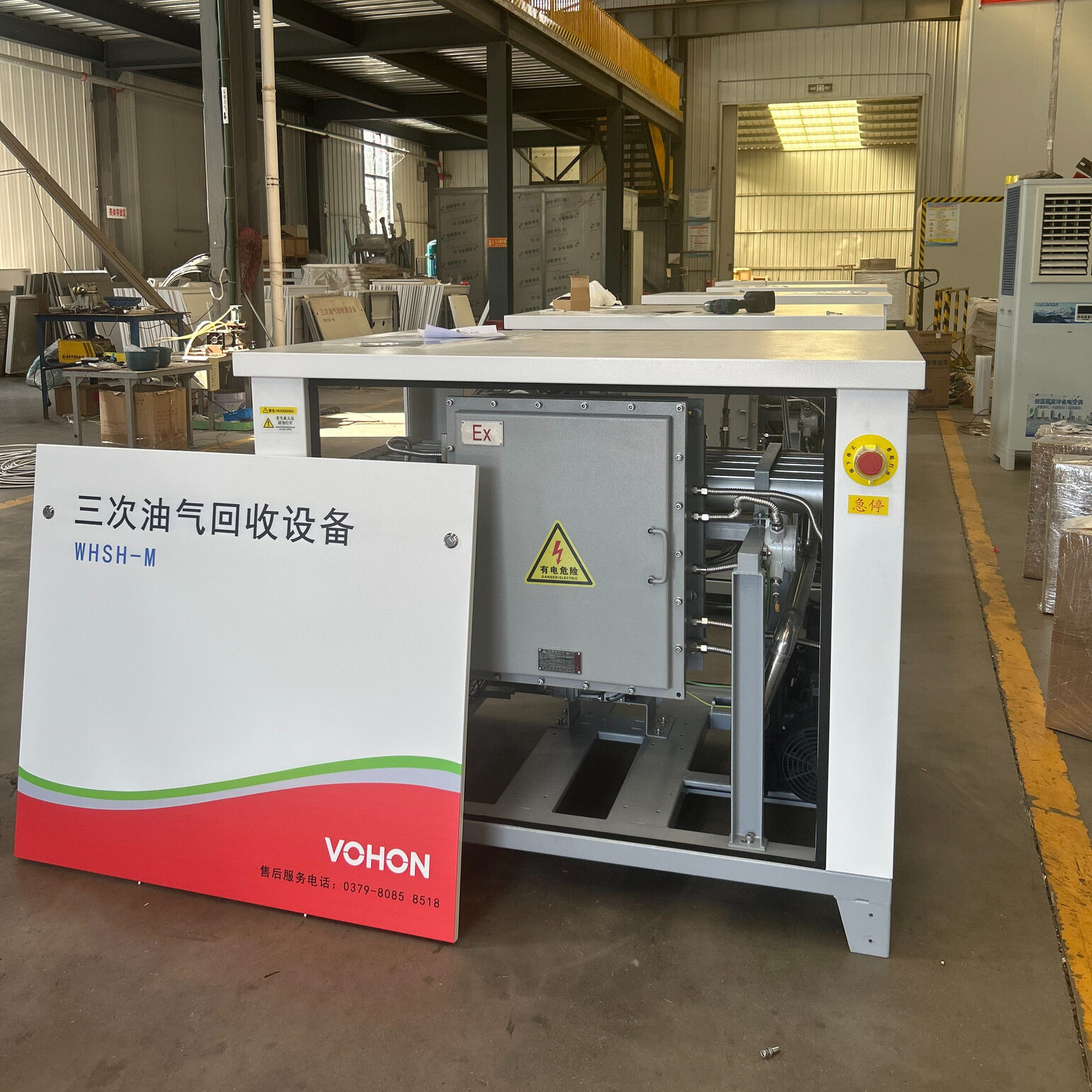
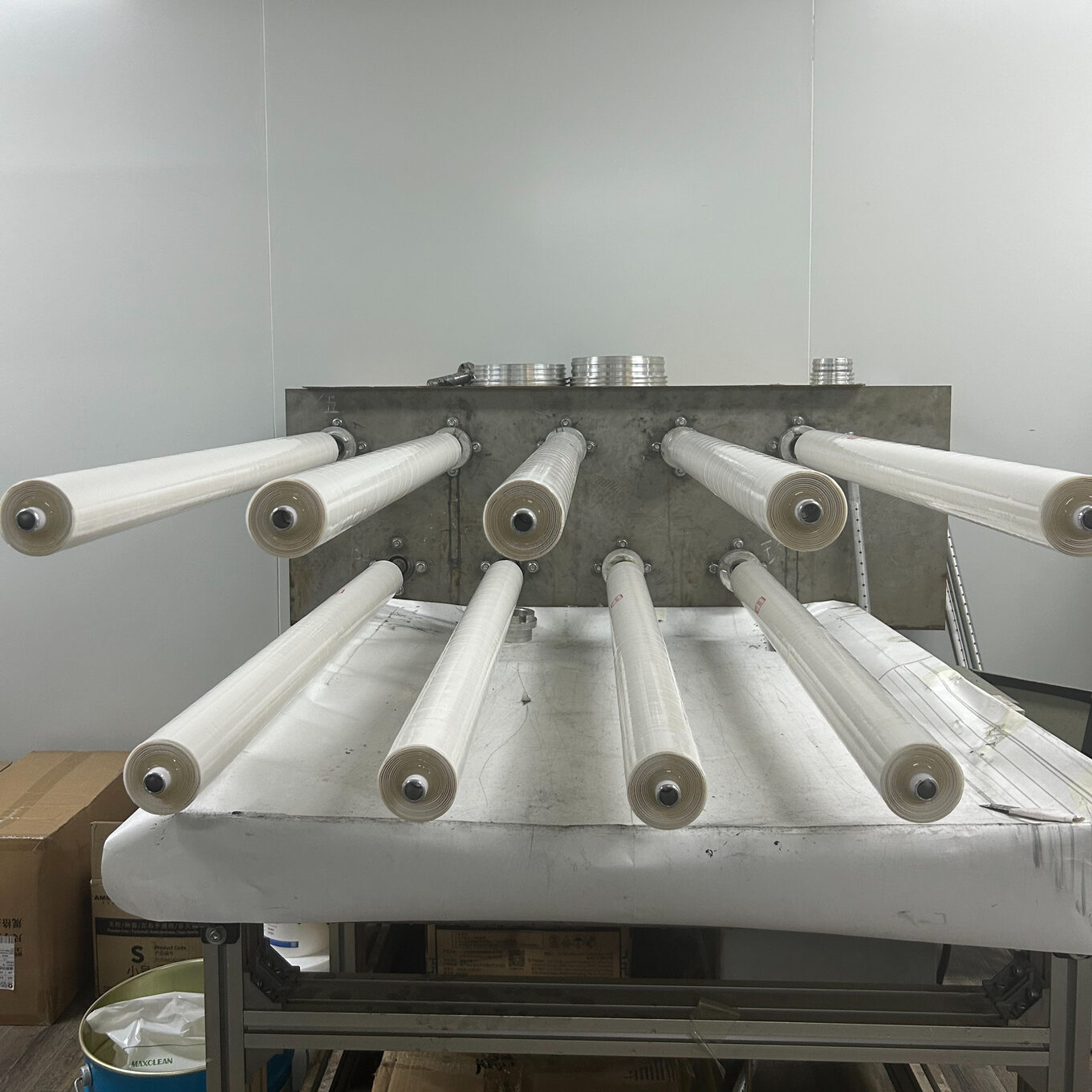
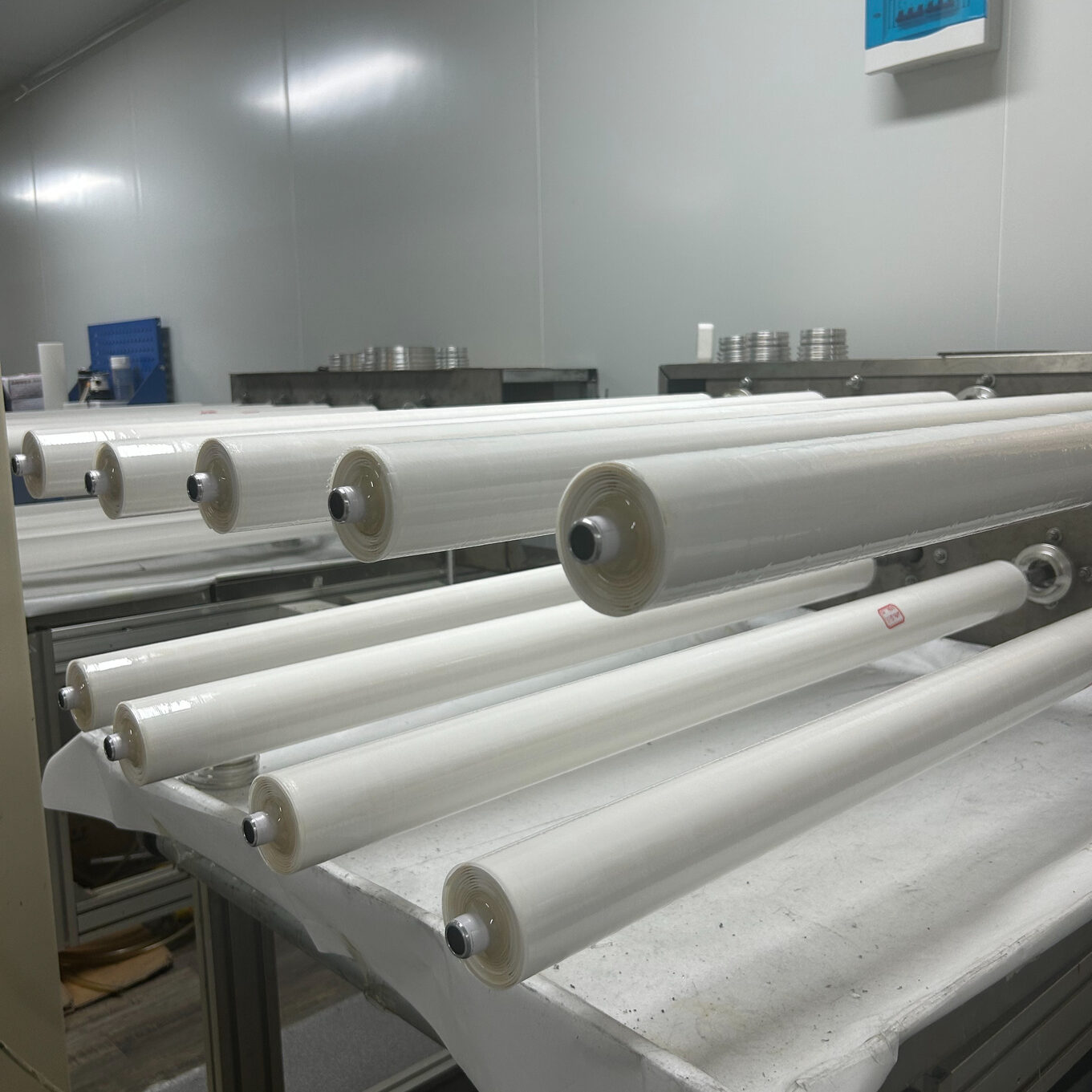
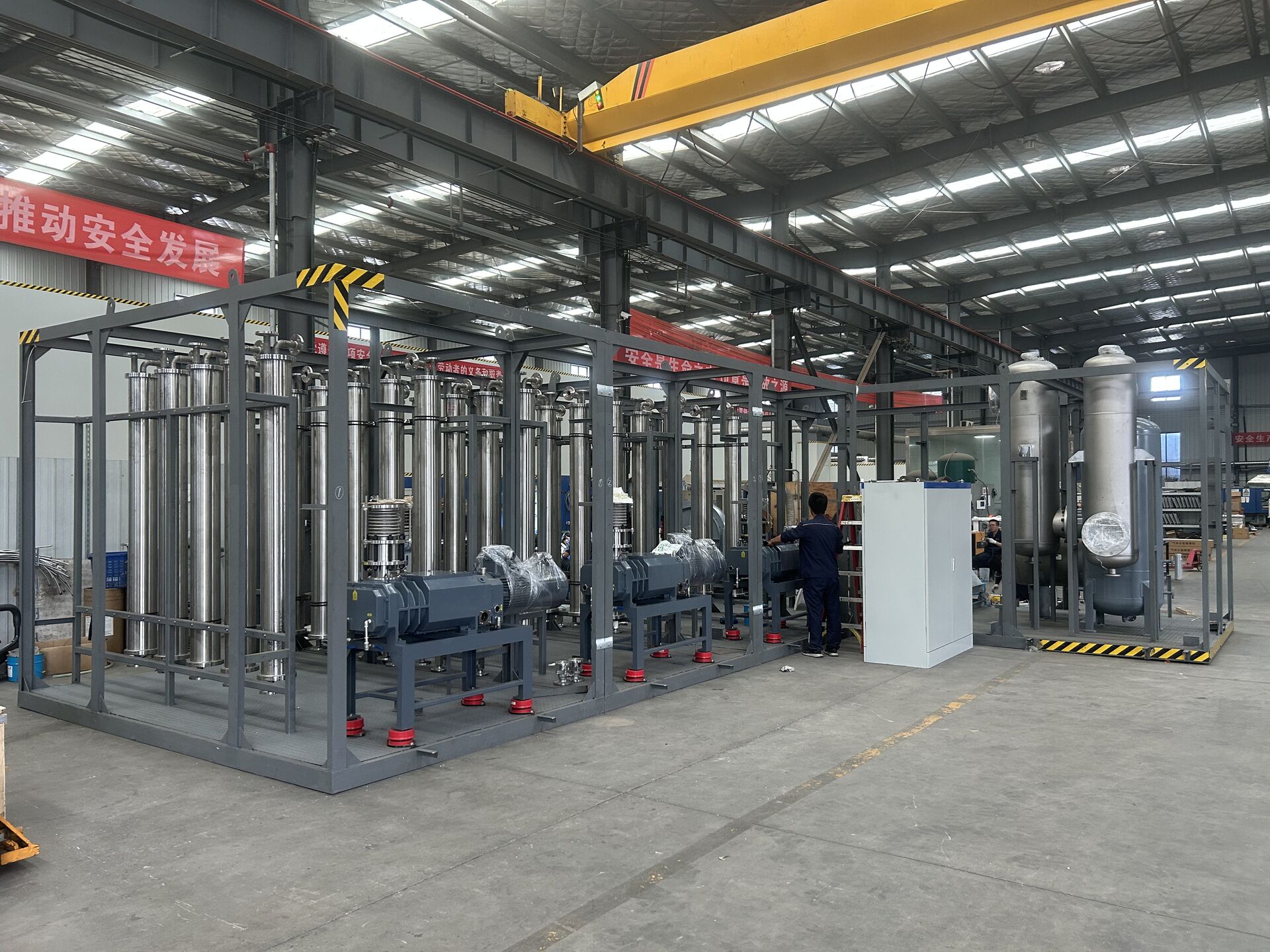
Imported equipment often starts early in technological research and development, with more mature technical systems and patents. Some imported equipment adopts advanced materials and processes, which perform well in processing efficiency and stability. For example, some imported equipment has unique advantages in gas separation and purification technology, which can more accurately remove harmful substances from exhaust gas. However, domestic equipment has also been constantly catching up in recent years. In LuoyangWohong PetrochemicalTaking Equipment Co., Ltd. as an example, its main membrane condensation recovery unit adopts a three-stage condensation processgas separation membraneThe combination process has good recovery effects on common organic solvents such as hydrocarbons, esters, ketones, alcohols, and halogenated hydrocarbons. This process can not only effectively treat exhaust gas, but also condense and liquefy organic solvents in the exhaust gas for recovery, with a recovery purity of over 90%. This fully demonstrates the strength of domestic equipment in technological innovation.
Imported equipment is generally priced higher due to factors such as research and development costs, transportation costs, and tariffs. Moreover, in the later maintenance and upkeep process, the price of imported equipment accessories is expensive, and the repair cost is relatively high. In contrast, domestically produced equipment has significant cost advantages. The membrane condensation recovery unit of Wohong Petrochemical has low operating costs, and the equipment only consumes electricity. The refrigeration compressor and vacuum pump are both controlled by frequency conversion, which can automatically adjust the power according to the exhaust gas load and effectively control power consumption. At the same time, the service life of its core consumable membrane components is three to five years. Daily maintenance mainly includes weekly checks of refrigeration system pressure and recovery liquid level, monthly cleaning of heat exchanger fins, and annual replacement of refrigeration oil and drying filters. There is no need to frequently replace consumables, greatly reducing the cost of use.
Imported equipment usually has its standardized product system, and its ability to meet some special working conditions and personalized needs is relatively limited. Domestic equipment, on the other hand, places more emphasis on close cooperation with customers, allowing for a deep understanding of their needs and providing customized solutions. Wohong Petrochemical can customize according to the customer's working conditions, with a processing air volume covering 500 to 20000 cubic meters per hour. In the early stage, the company will provide free working condition research and exhaust gas composition analysis, and provide targeted technical solutions and investment payback period calculations based on three core parameters: concentration, air volume, and composition, to ensure that the equipment can better adapt to the needs of different enterprises.
The after-sales service of imported equipment may be limited by geography and time difference, resulting in relatively slow response speed. Domestic equipment has obvious advantages in after-sales service. Wohong Petrochemical provides complete support from the early stage to the later stage. In the middle stage, it provides equipment manufacturing, factory testing, transportation, installation guidance, debugging, and operator training. In the later stage, it provides one-year warranty, spare parts supply, remote technical support, and regular inspection services. Customers can also sign long-term maintenance contracts as needed, which can timely solve problems encountered by customers during use.
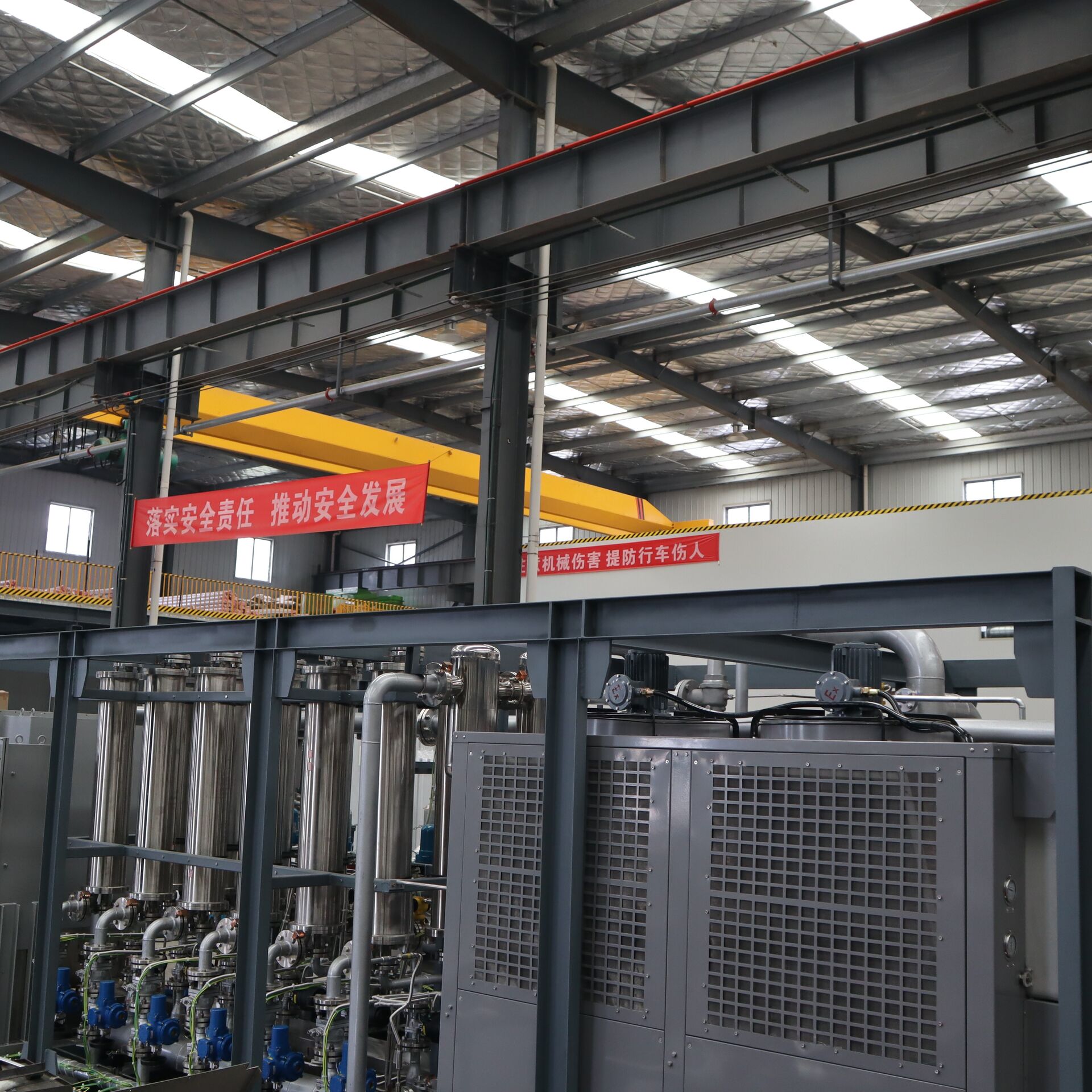
In summary, both domestic and imported VOC waste gas treatment equipment have their own advantages and disadvantages. Domestic equipment has significant advantages in cost, customized services, and after-sales service, while imported equipment may be more competitive in certain high-end technology fields. When choosing VOC waste gas treatment equipment, enterprises should comprehensively consider factors such as their actual needs, budget, and operating conditions to make the most suitable choice. Domestic enterprises like Wohong Petrochemical, with their advanced technology, reasonable costs, and high-quality services, are gradually becoming a reliable choice for many enterprises to treat VOC waste gas, contributing to the development of environmental protection.
Mr. Li 13526990215

Hotline