
In the loading and unloading process of industries such as petrochemicals and pharmaceuticals, exhaust emissions are an issue that cannot be ignored. These exhaust gases not only contain various volatile organic compounds (VOCs), which cause pollution to the atmospheric environment, but may also pose a threat to human health. Therefore, how to efficiently and environmentally collect and treat the exhaust gas from loading and unloading vehicles has become a focus of industry attention.RTO(Regenerative Thermal Oxidation Furnace) Combustion Process as a Mature Technologywaste gas treatmentTechnology has been widely used in the collection of exhaust gases from loading and unloading vehicles.
The core of RTO combustion process is to use high temperature to oxidize and decompose VOCs in exhaust gas into carbon dioxide and water. The working process mainly includes the following steps: firstly, the exhaust gas enters the heat storage chamber through the intake port, and the ceramic heat storage body in the heat storage chamber preheats the exhaust gas; Next, the preheated exhaust gas enters the combustion chamber and undergoes oxidation reaction at high temperature (usually 750-950 ℃) to decompose VOCs; Finally, the purified gas is discharged through another heat storage chamber, while transferring heat to the heat storage body to achieve heat recovery and utilization. This heat recovery mechanism enables the RTO combustion process to have high energy efficiency and effectively reduce operating costs.
The RTO combustion process can efficiently oxidize and decompose VOCs in exhaust gas, and the purification efficiency can usually reach over 95%. During the loading and unloading process, the exhaust gas generated is complex in composition and contains various volatile organic compounds. The RTO process can thoroughly oxidize these organic compounds to ensure that the exhaust gas meets emission standards and reduces environmental pollution.
As mentioned earlier, the RTO process has excellent heat recovery capabilities. In the process of collecting exhaust gas from loading and unloading vehicles, the heat in the exhaust gas can be recovered through a thermal storage body and used to preheat the incoming exhaust gas. This not only reduces energy consumption, but also reduces dependence on external energy and lowers the operating costs of the enterprise.
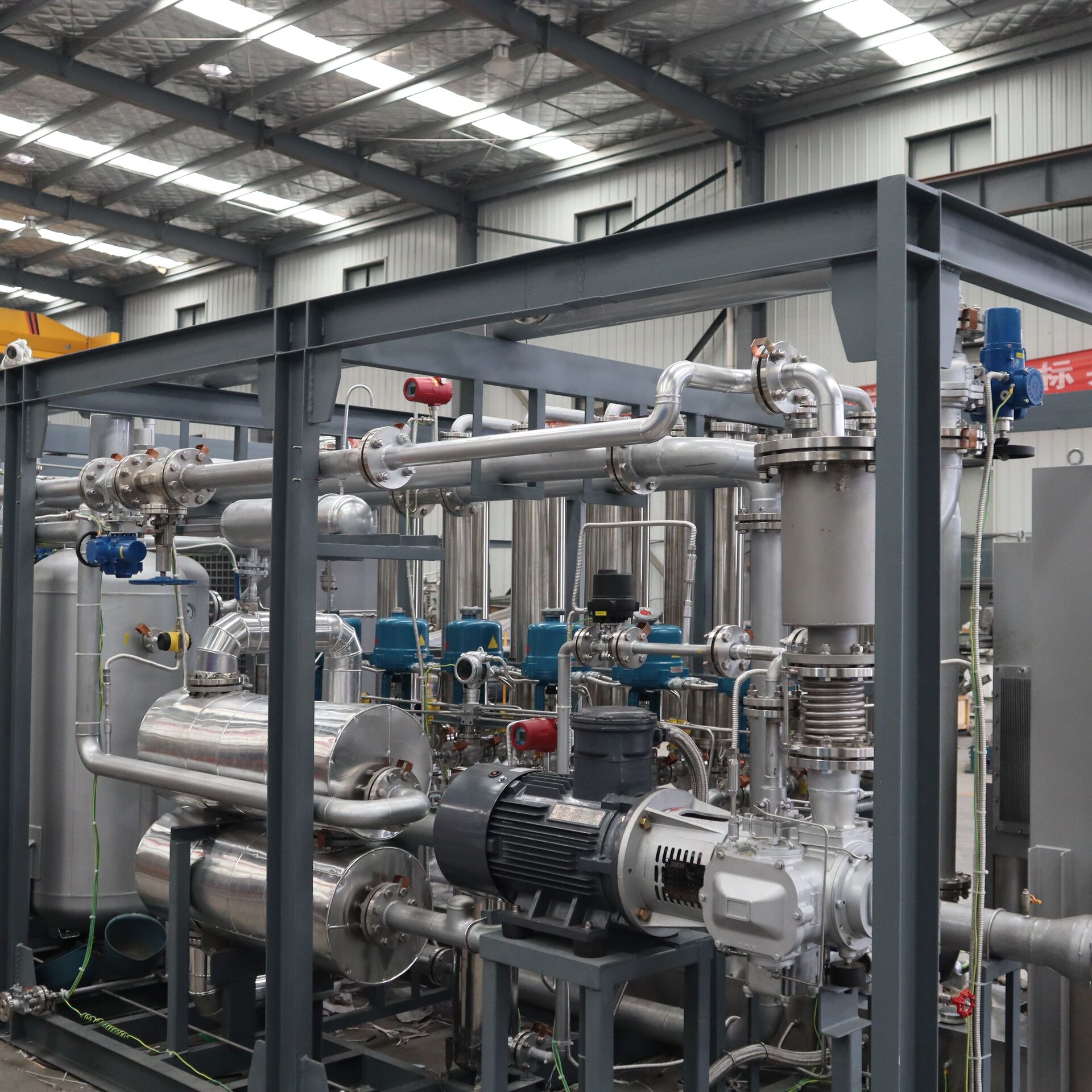
The RTO combustion process is suitable for treating organic waste gases of various concentrations and compositions. During the loading and unloading process, different materials may produce exhaust gases with different compositions and concentrations. RTO technology can effectively treat them and has strong adaptability.
The construction and installation of RTO equipment require high investment costs. Its equipment structure is complex, including multiple components such as heat storage chamber, combustion chamber, switching valve, etc. The procurement, installation, and commissioning of the equipment require a large amount of capital investment. For some small and medium-sized enterprises, this may be a significant economic burden.
Although the RTO process has a heat recovery function, it still requires a certain amount of energy consumption during operation, such as natural gas. Especially when dealing with low concentration exhaust gas, in order to maintain the high temperature of the combustion chamber, it is necessary to continuously replenish fuel, resulting in an increase in operating costs. In addition, the maintenance and upkeep of the equipment also require a certain amount of cost.
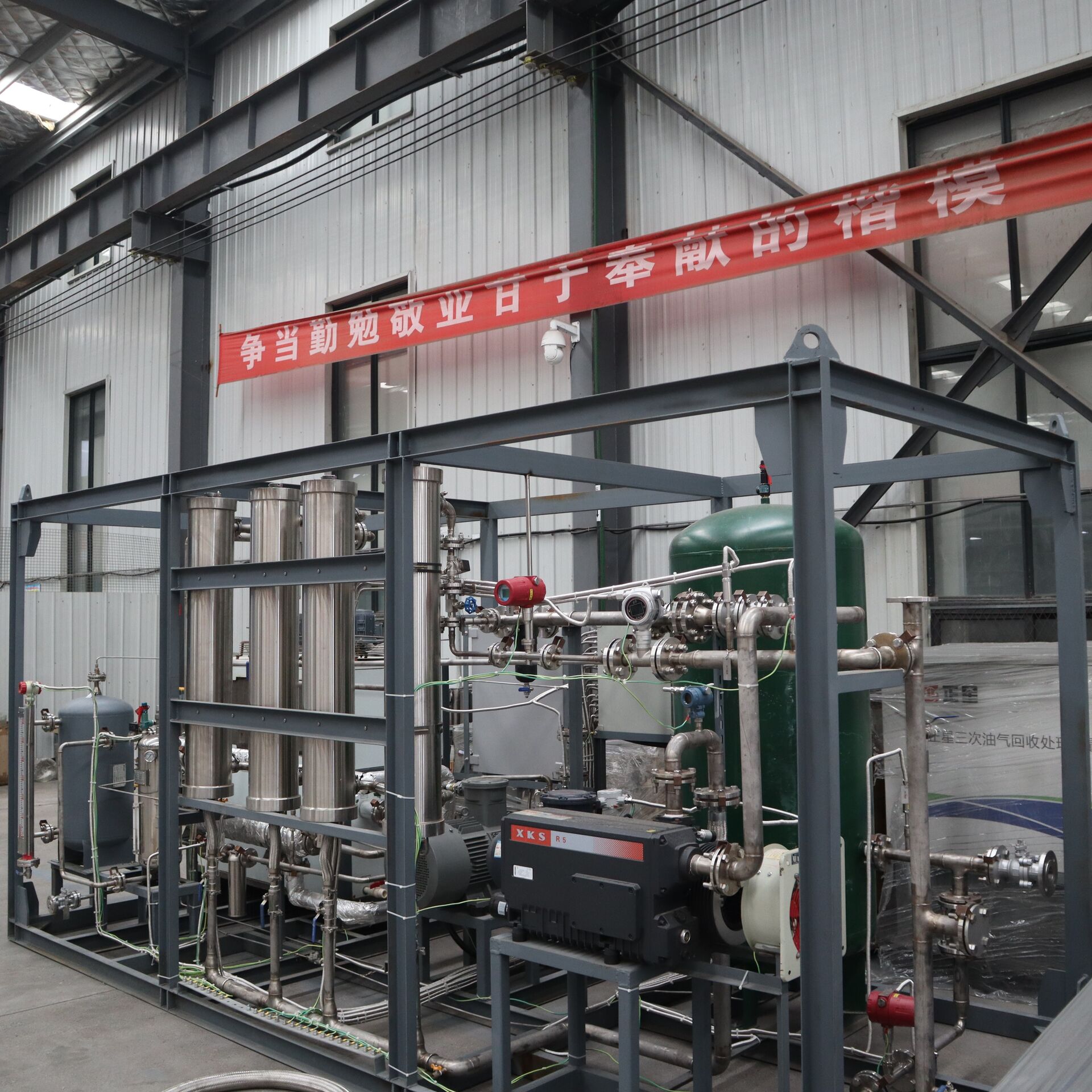
The RTO combustion process operates at high temperatures and poses certain safety risks. If the exhaust gas contains flammable and explosive substances, safety accidents such as explosions may occur during the oxidation process. Therefore, strict safety measures need to be taken when using RTO technology to ensure the safe operation of the equipment.
By optimizing the design of RTO equipment, the energy efficiency and purification effect of the equipment can be improved, and investment and operating costs can be reduced. For example, using advanced thermal storage materials and combustion technology to improve heat recovery efficiency; Reasonably design the structure and size of equipment to reduce footprint and equipment investment.
Strengthen the operation and management of RTO equipment, conduct regular maintenance and upkeep to ensure the normal operation of the equipment. At the same time, establish a sound safety management system, strengthen training for operators, enhance safety awareness, and reduce safety risks.
The RTO combustion process can be combined with other exhaust gas treatment processes, such as adsorption and condensation, to improve the effectiveness and efficiency of exhaust gas treatment. For example, the adsorption process is first used to pretreat the exhaust gas, concentrate the organic matter in the exhaust gas, and then oxidize it through the RTO process, which can reduce the load on the RTO equipment and lower operating costs.
In the collection of exhaust gas from loading and unloading vehicles, the RTO combustion process has advantages such as efficient purification, heat recovery, and wide applicability, but also faces challenges such as high investment costs, high operating costs, and safety risks. By optimizing design, strengthening management, and integrating with other processes, the advantages of RTO technology can be fully utilized, reducing its negative impact and providing strong support for enterprises to achieve a win-win situation of environmental protection and economic benefits. In the future, with the continuous advancement and innovation of technology, the application of RTO combustion process in the collection of exhaust gas from loading and unloading vehicles will become more widespread and mature.
Mr. Li 13526990215

Hotline





