activated charcoalChange to collapse?RTOBurn to distressed? Compression condensation membrane separation, no carbon change, no gas burning
Activated carbon equipment is cheap to buy, but it makes people collapse. When the exhaust gas concentration is slightly high, the carbon filter needs to be replaced every one to two months. The replaced saturated carbon is hazardous waste, and the disposal fee is calculated by ton. The money for replacing carbon and disposal in one year is enough to buy several new equipment. If the carbon exchange is not timely, the emission will exceed the standard and face a fine. The charcoal sucked away the solvent, leaving nothing behind, but the money kept flowing out.
RTO equipment can reach the standard stably, but the burning gas makes people feel distressed. The equipment itself is not cheap, and it continues to consume natural gas. For a medium-sized RTO, the annual gas bill is a small fixed expense. When the exhaust gas concentration is low, additional fuel is added, and when the concentration is high, the solvent is also burned out. The standard is the standard, but the gas bill and the disappearance of the solvent together, the cost is not low.
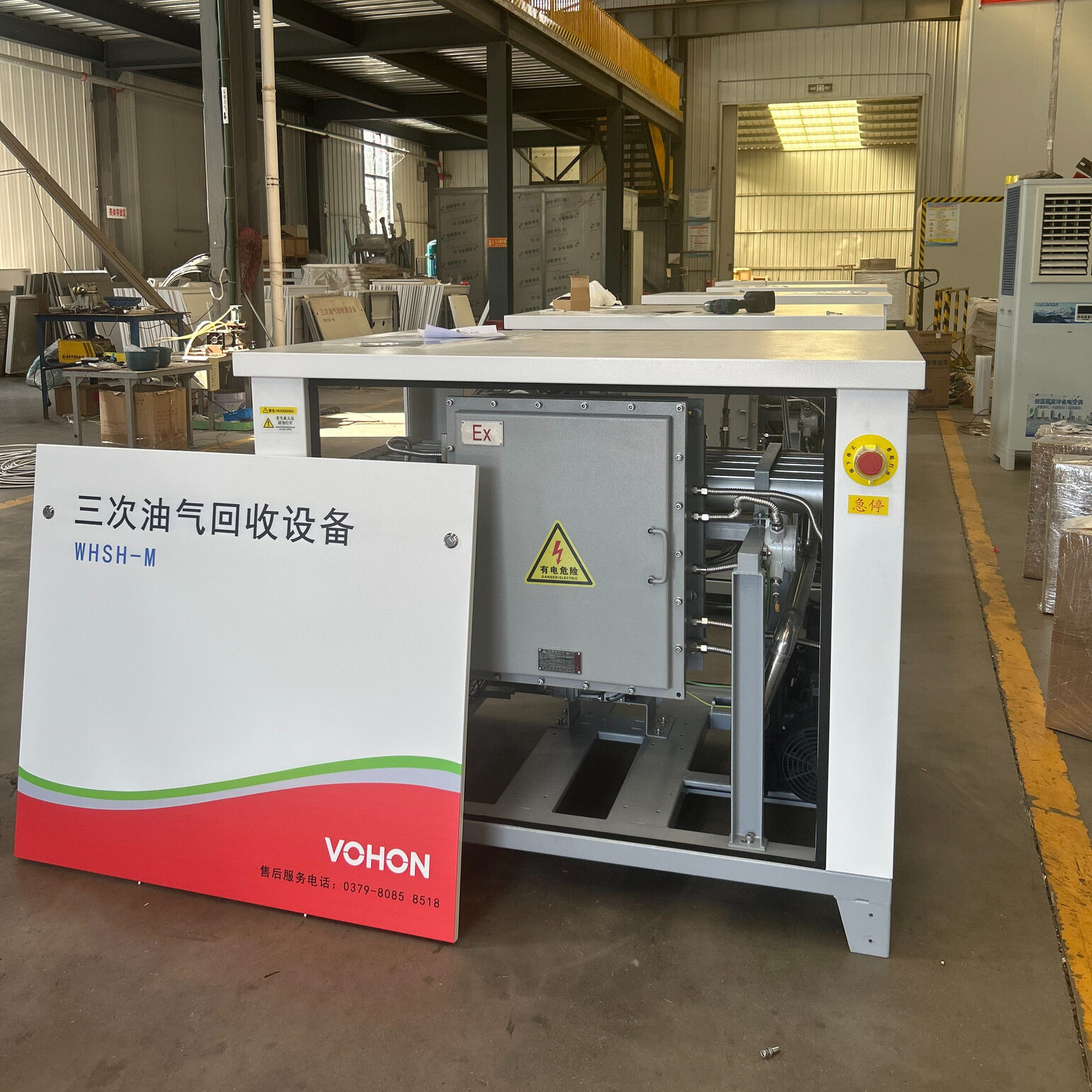
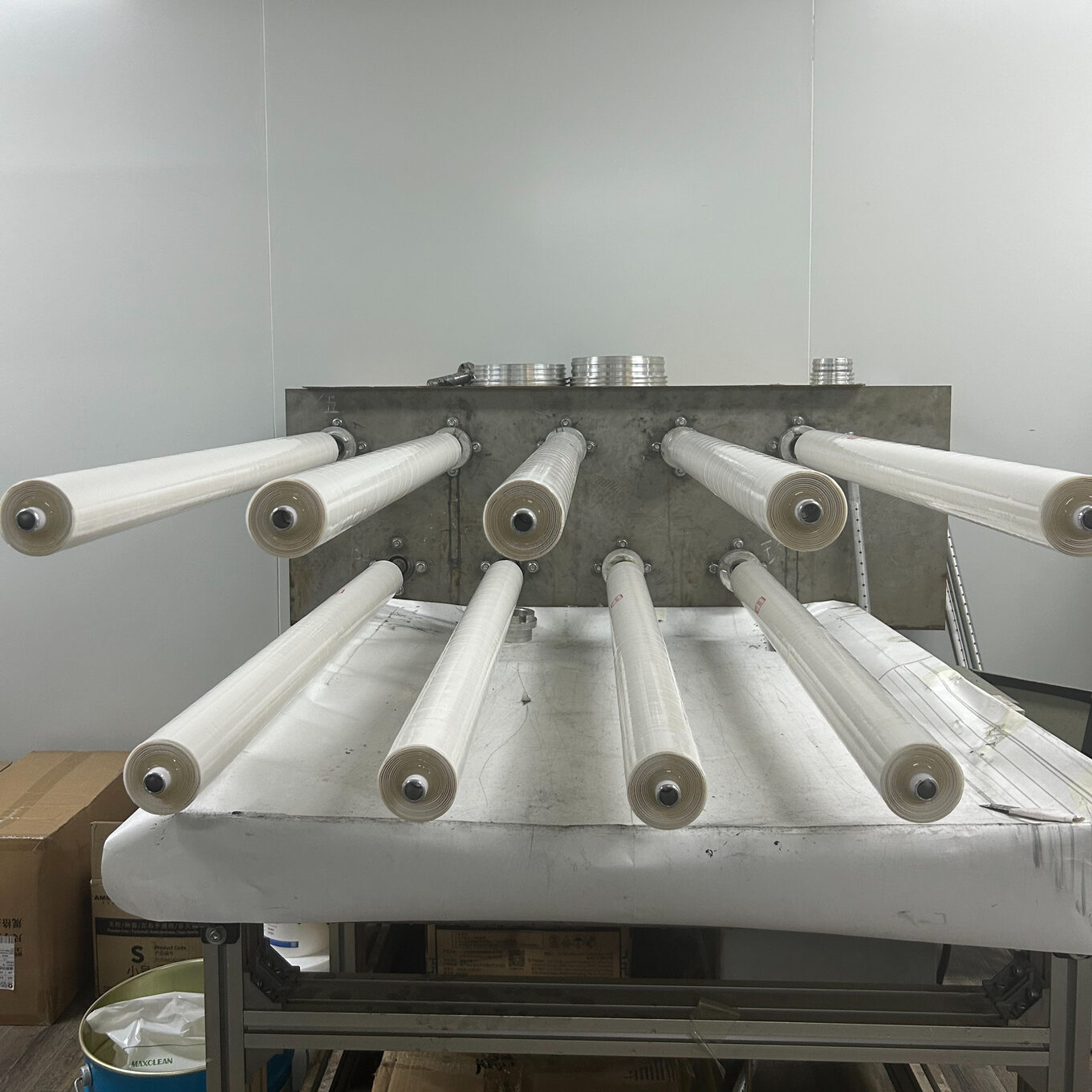
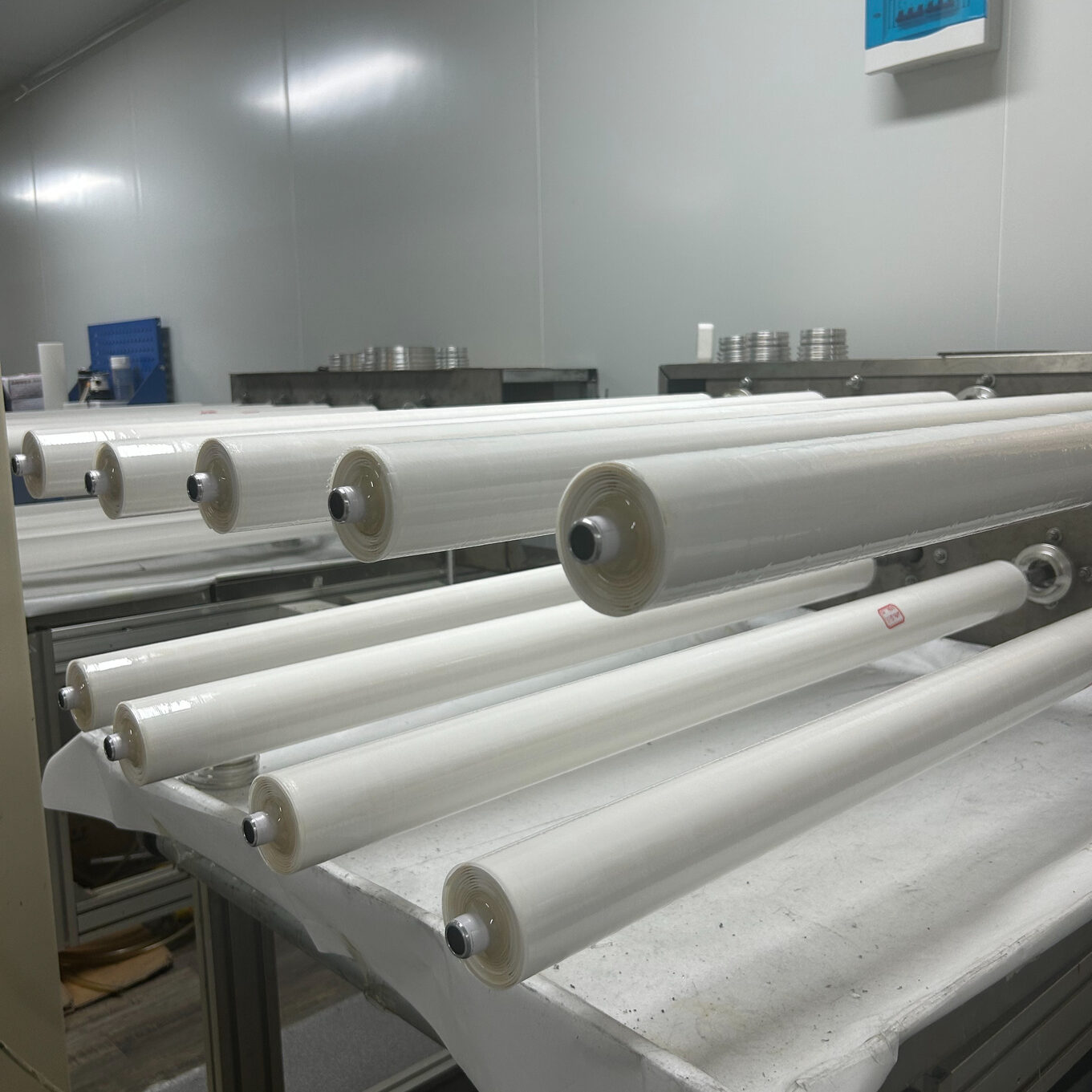
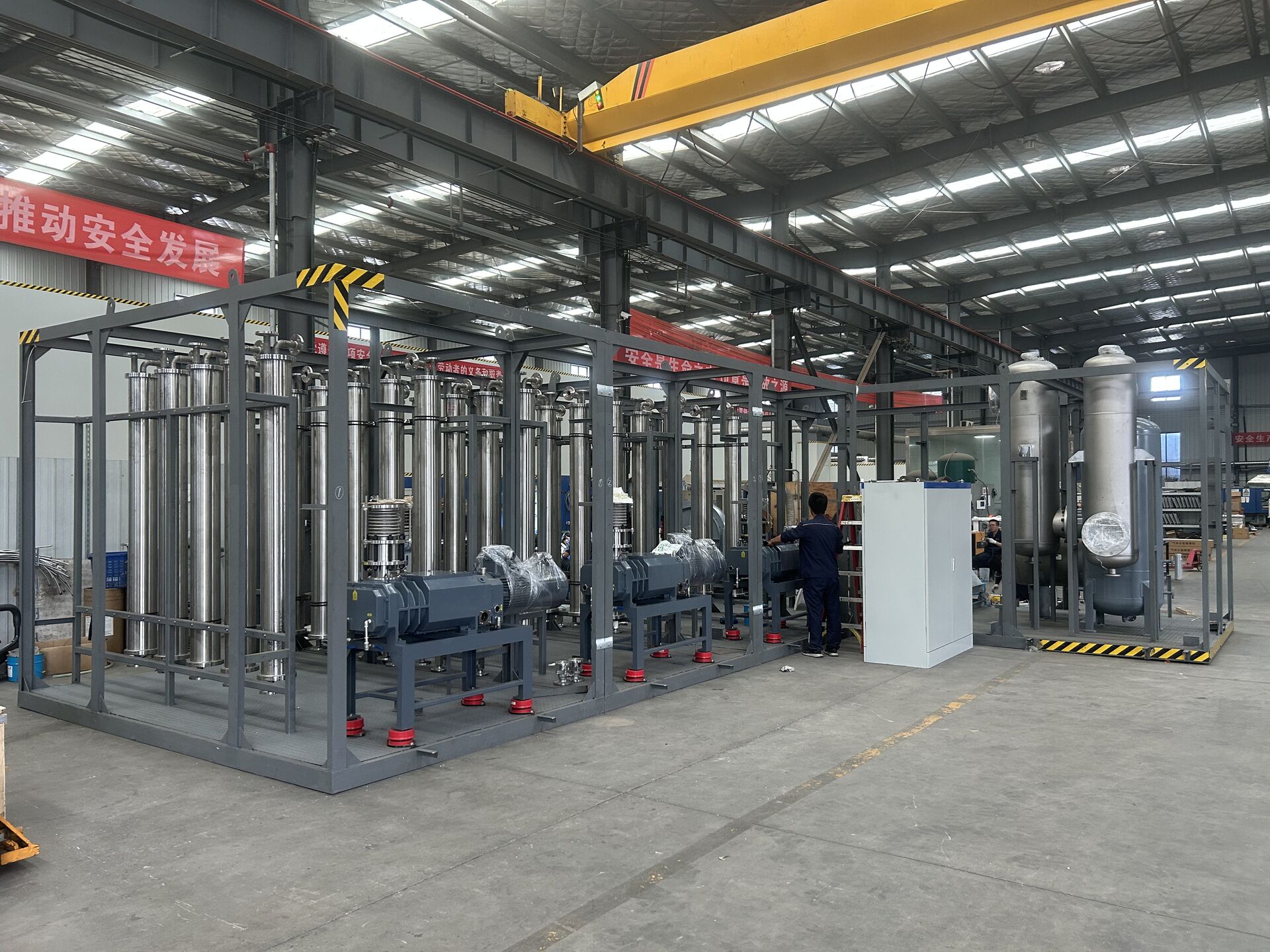
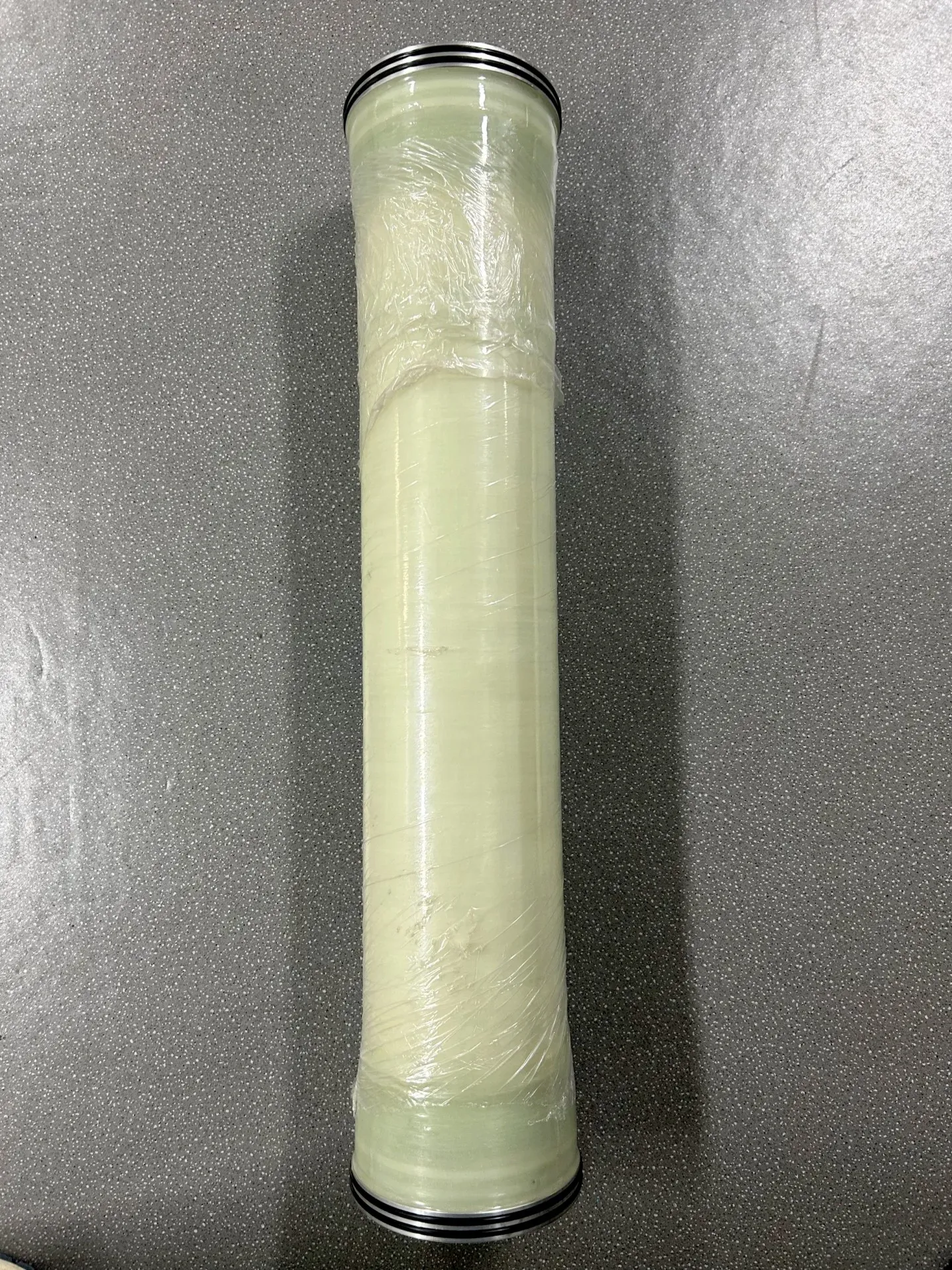
Compressed condensation membrane separation is another way. The equipment is driven by electricity, does not burn gas, has no activated carbon consumables, and does not produce hazardous waste. The waste gas is condensed first, and most of the solvent is directly converted into liquid for recovery. The uncondensed tail gas passes through the membrane module, and is further enriched and sent back to the front end for circulation treatment. At the same time, the recovered solvent is directly returned to the production line. Do not change carbon, do not burn gas, but also to recover the solvent, this is the long-term more cost-effective choice. Luoyang Wo Hong focuses on this set of technology, free working condition testing, settling accounts before making decisions.
Mr. Li 13526990215

Hotline