Laboratories are venues for scientific research and innovation, yet the organic waste gases—such as acetone, dichloromethane, ethyl acetate, ethanol, and toluene—exhausted by fume hoods constitute a long‑neglected source of pollution.
Laboratory exhaust gases have their own unique characteristics. The air volume is small, usually several hundred cubic meters per hour. There are many kinds of solvents, acetone for chromatography today and dichloromethane for synthesis tomorrow. The concentration fluctuates greatly. As soon as the reagent bottle is opened and closed, the concentration of waste gas fluctuates. More importantly, the fume hood is spread all over the floors, the installation space is extremely limited, and there is no room for large-scale industrial equipment.
in view of these characteristics,Small-sized membrane condensation deviceA targeted solution is given.
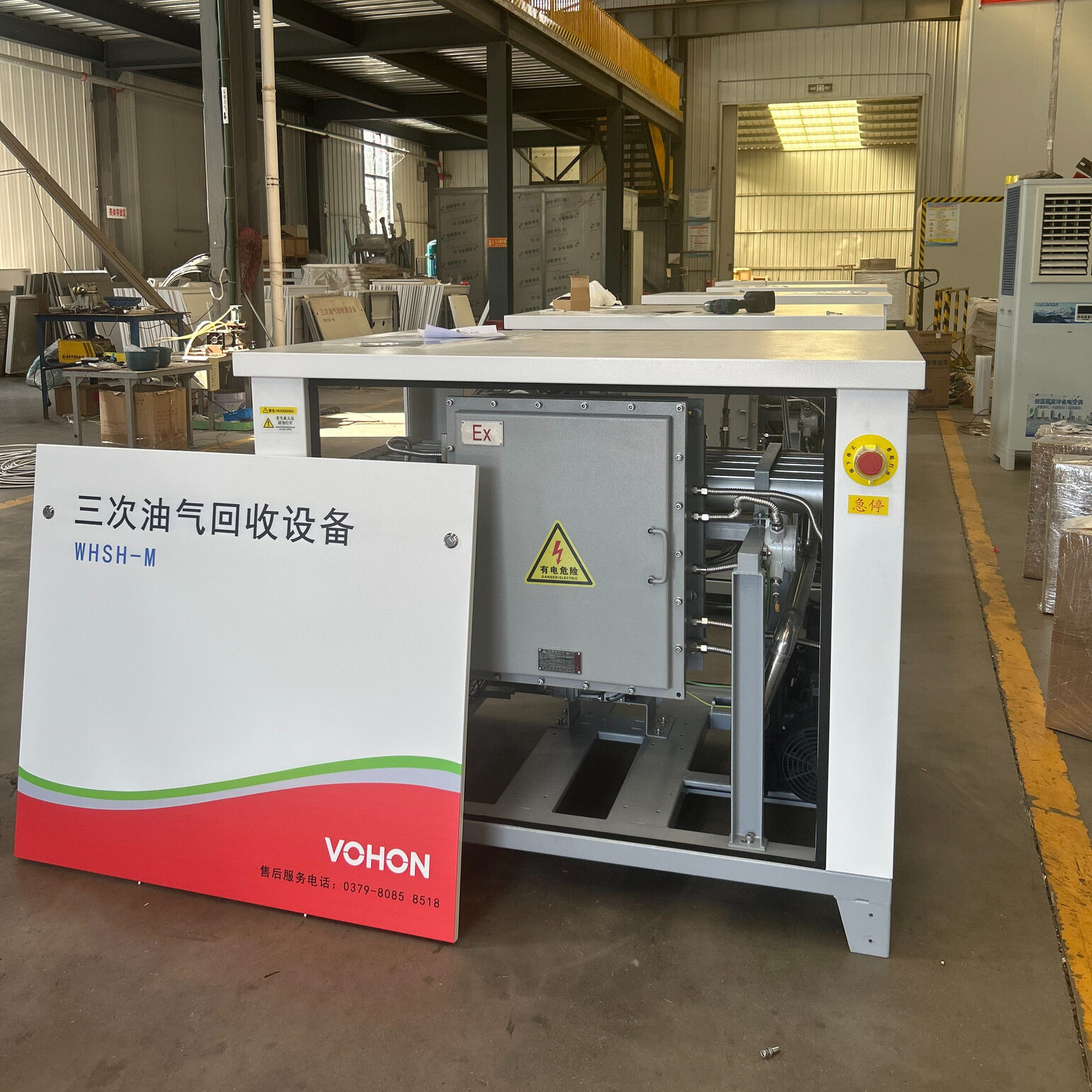
"Small" is its first advantage. The whole machine adopts a skid-mounted structure with an appearance of only about 600mm wide, 500mm deep and 800mm high, which is not much bigger than a drinking fountain. It can be easily stuffed into the cabinet under the fume hood, or placed against the wall next to the test bench, without the need for a separate equipment room and without taking up valuable experimental countertops. All assembly tests have been completed before leaving the factory. On site, it is only necessary to connect the exhaust pipe of the fume hood to the inlet of the device, connect the outlet of the device back to the original exhaust pipe, and connect the 220 volt power supply to use it. The installation time is not more than one hour.
"Quiet" is the bottom line of its design. The laboratory has strict requirements for noise, and the operation of the equipment cannot interfere with the reading, thinking and communication of scientific researchers. The device has been specially optimized acoustically, and the operating noise is controlled below 50 decibels-equivalent to a quiet library environment, sitting next to it will not feel noisy.
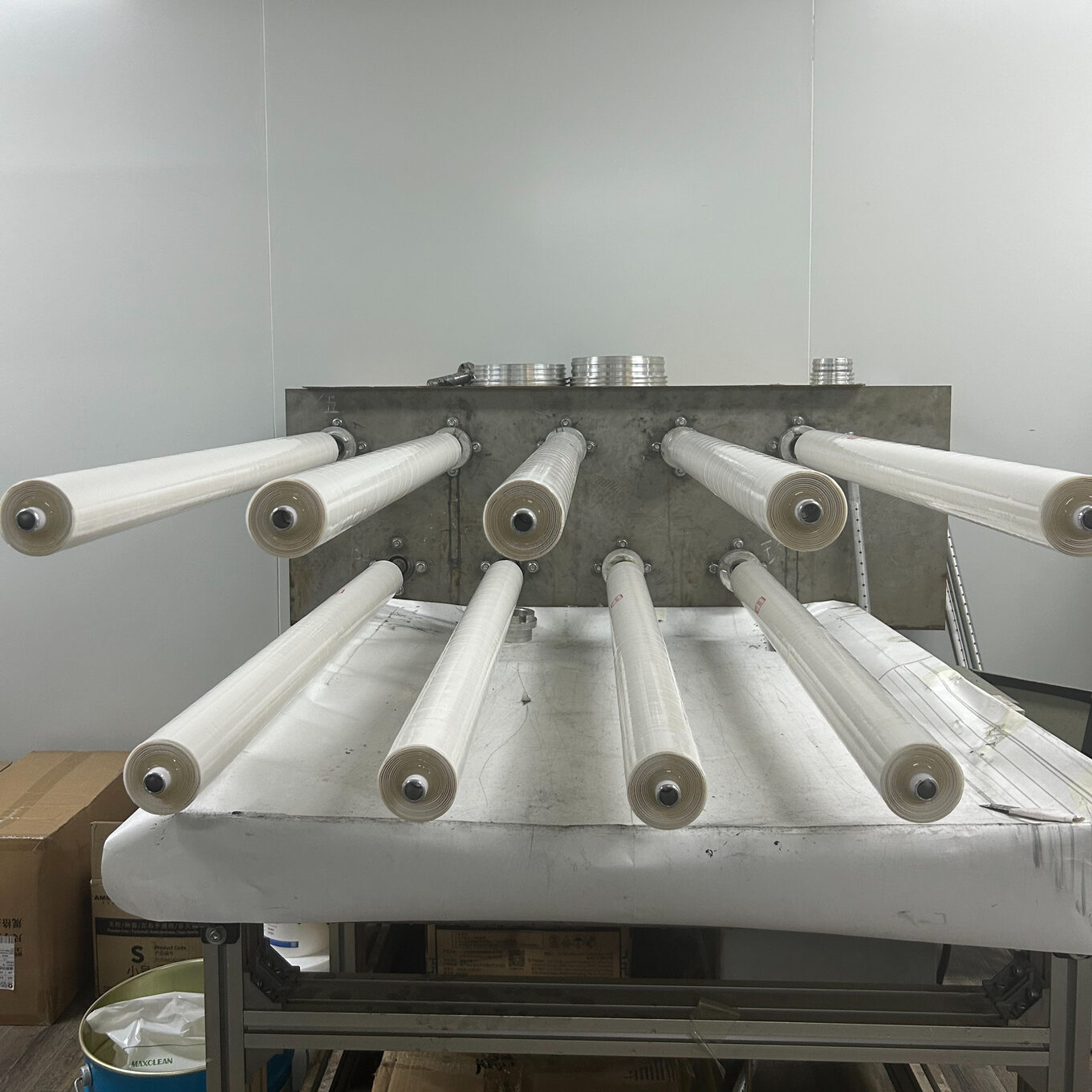
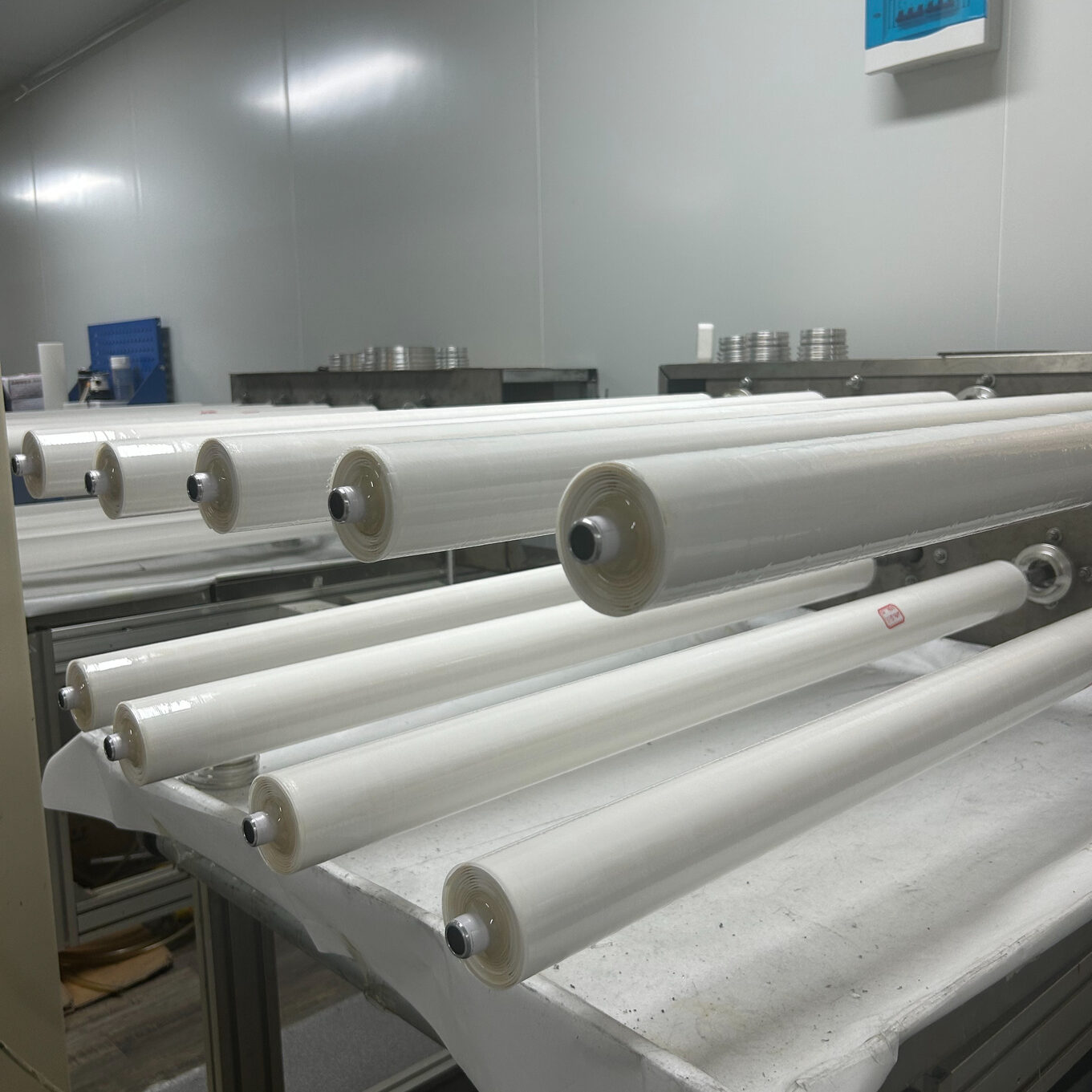
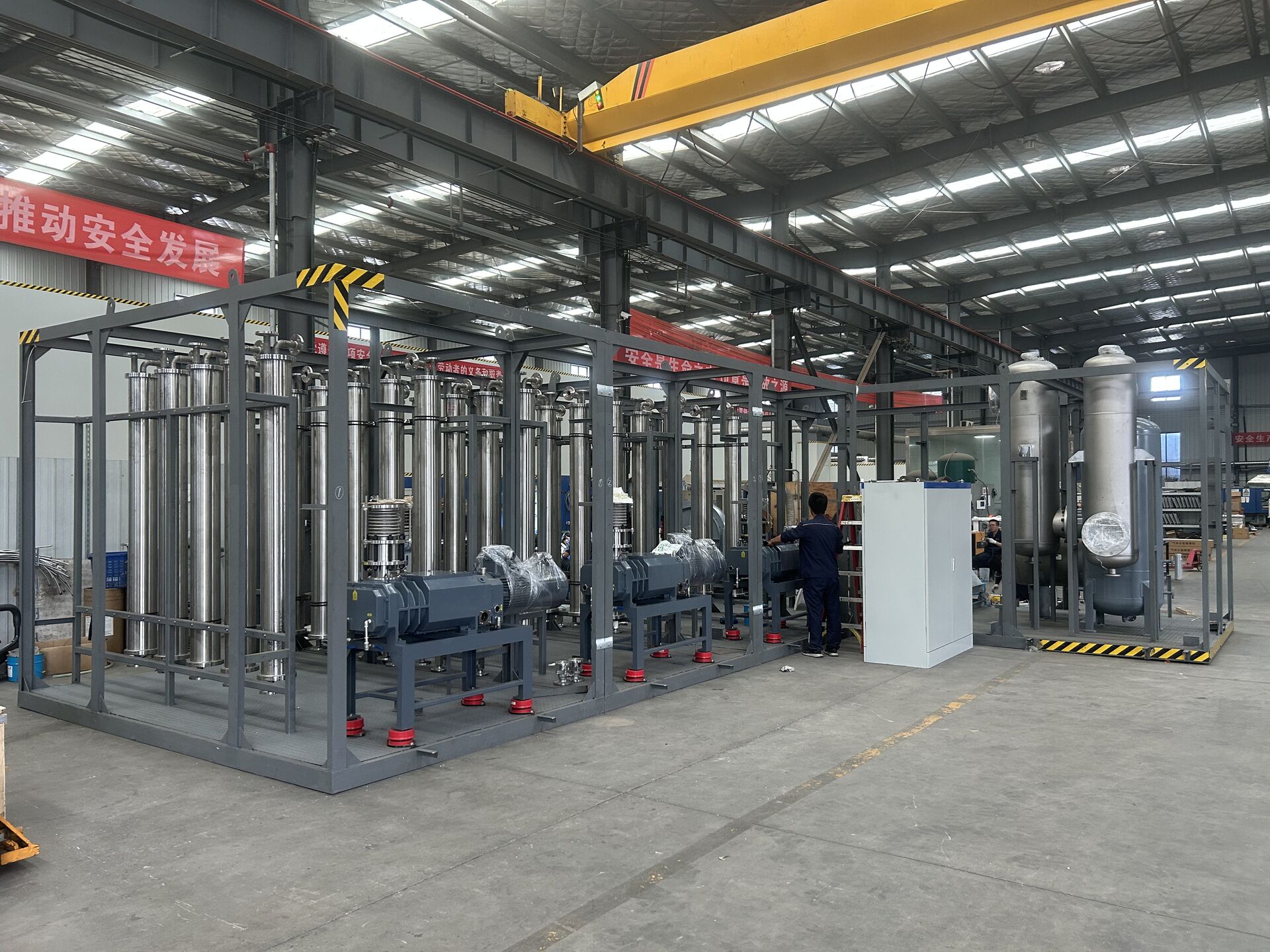
"Efficient" is its technical core. Although it is small in size, it is not technically compromised. The device adopts a combined process of compression condensation and membrane separation, which is consistent with the principle of industrial-grade equipment. After the exhaust gas from the fume hood enters the device, it is gradually cooled to minus five to minus fifteen degrees by two or three stages of condensation. Most organic solvents are directly liquefied from gaseous to liquid and flow into glass or stainless steel collection bottles. A small amount of uncondensed tail gas entersgas separation membraneThe membrane uses the difference in permeation rate between organic molecules and air molecules to enrich the residual solvent molecules and recycle them back to the condensation inlet for further treatment, and clean air is connected to the original exhaust pipe for discharge. The overall recovery rate can reach more than 90%, and the outlet concentration meets the recommended standard for laboratory exhaust emissions.
"Security" is its basic configuration. All electrical components adopt explosion-proof or explosion-proof configuration, and the inlet pipeline is equipped with combustible gas detector, which will automatically stop and alarm when the concentration exceeds the standard. The condensation temperature can be adjusted according to the type of solvent used on the day through a touch screen, and it has a good recovery effect on different solvents.
Mr. Li 13526990215

Hotline