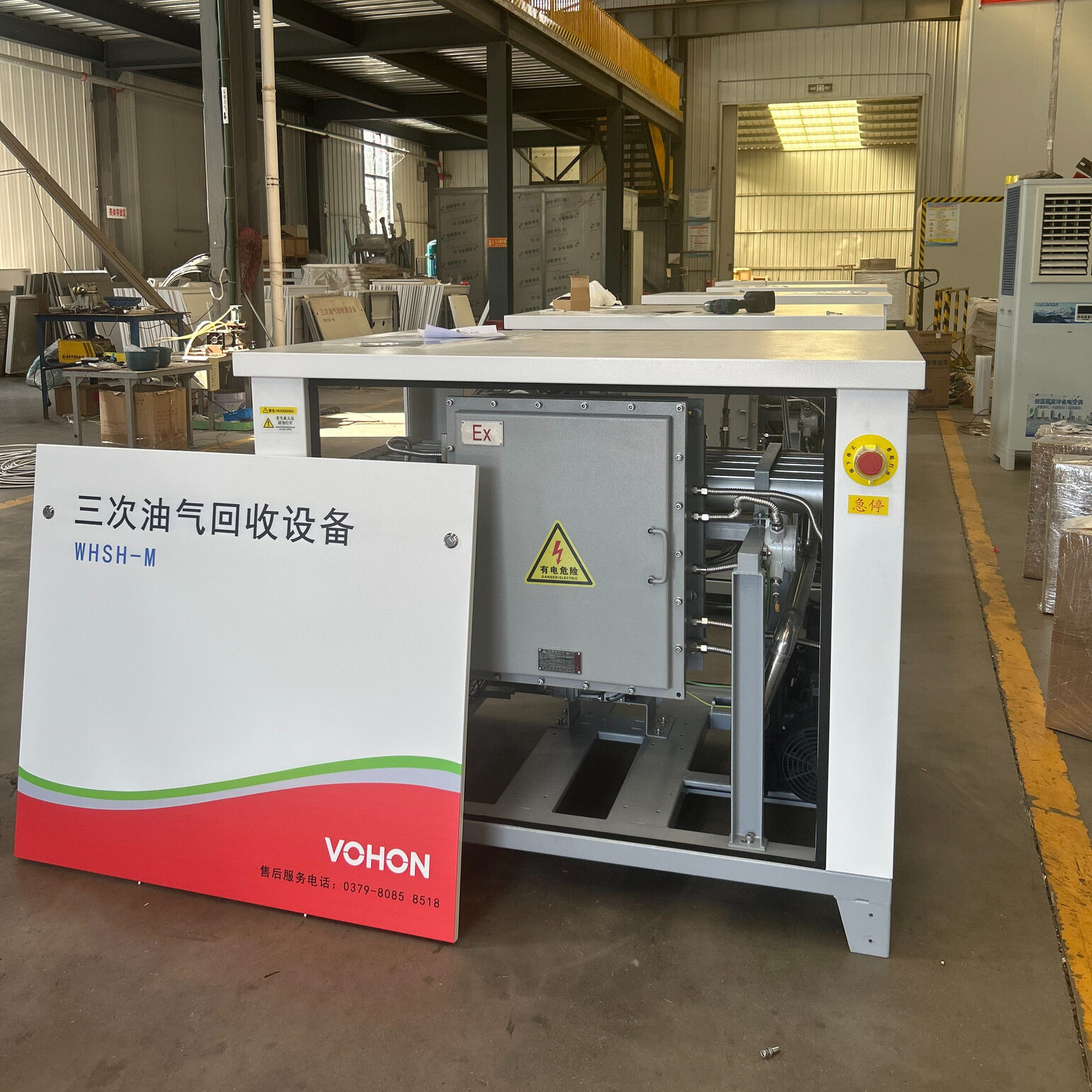
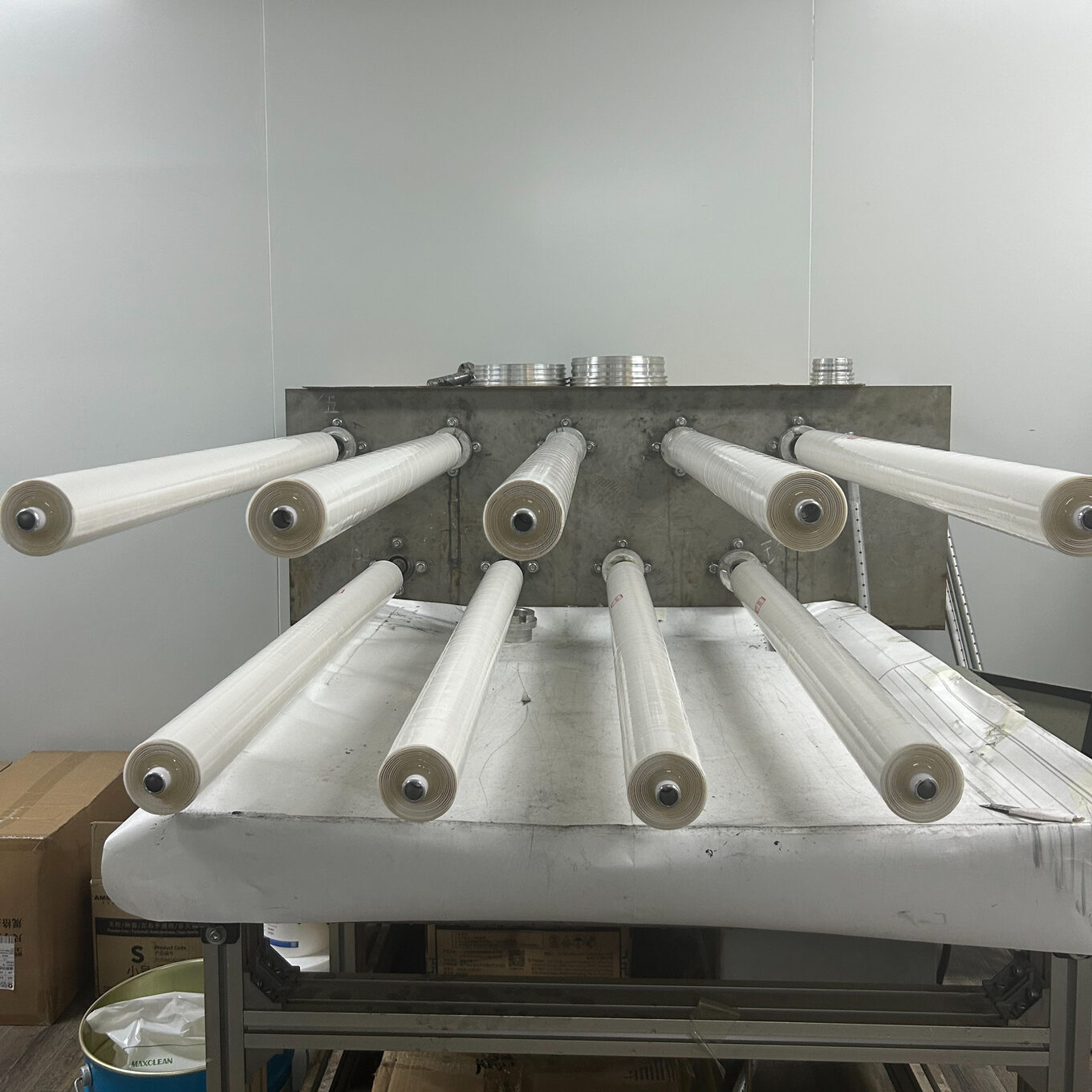
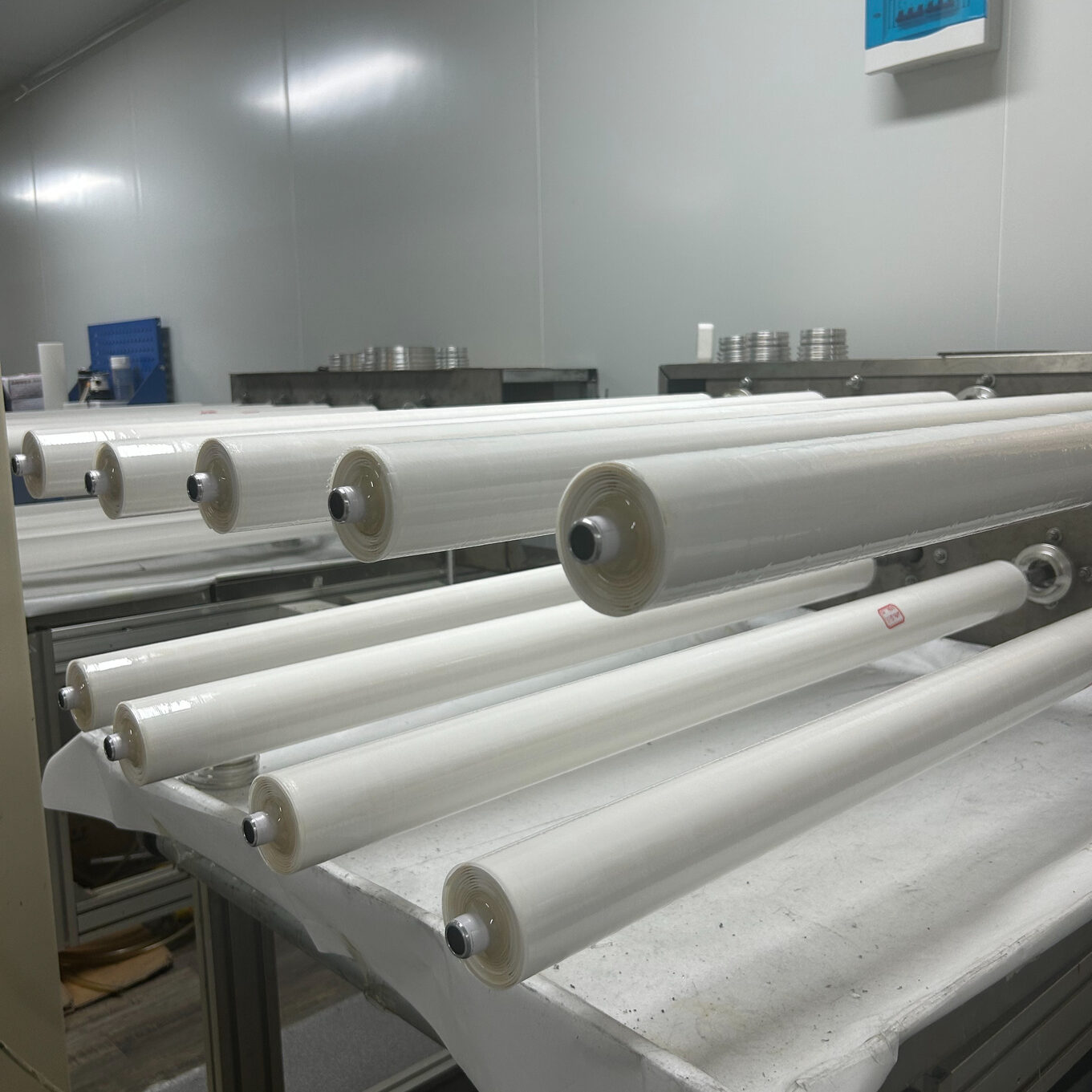
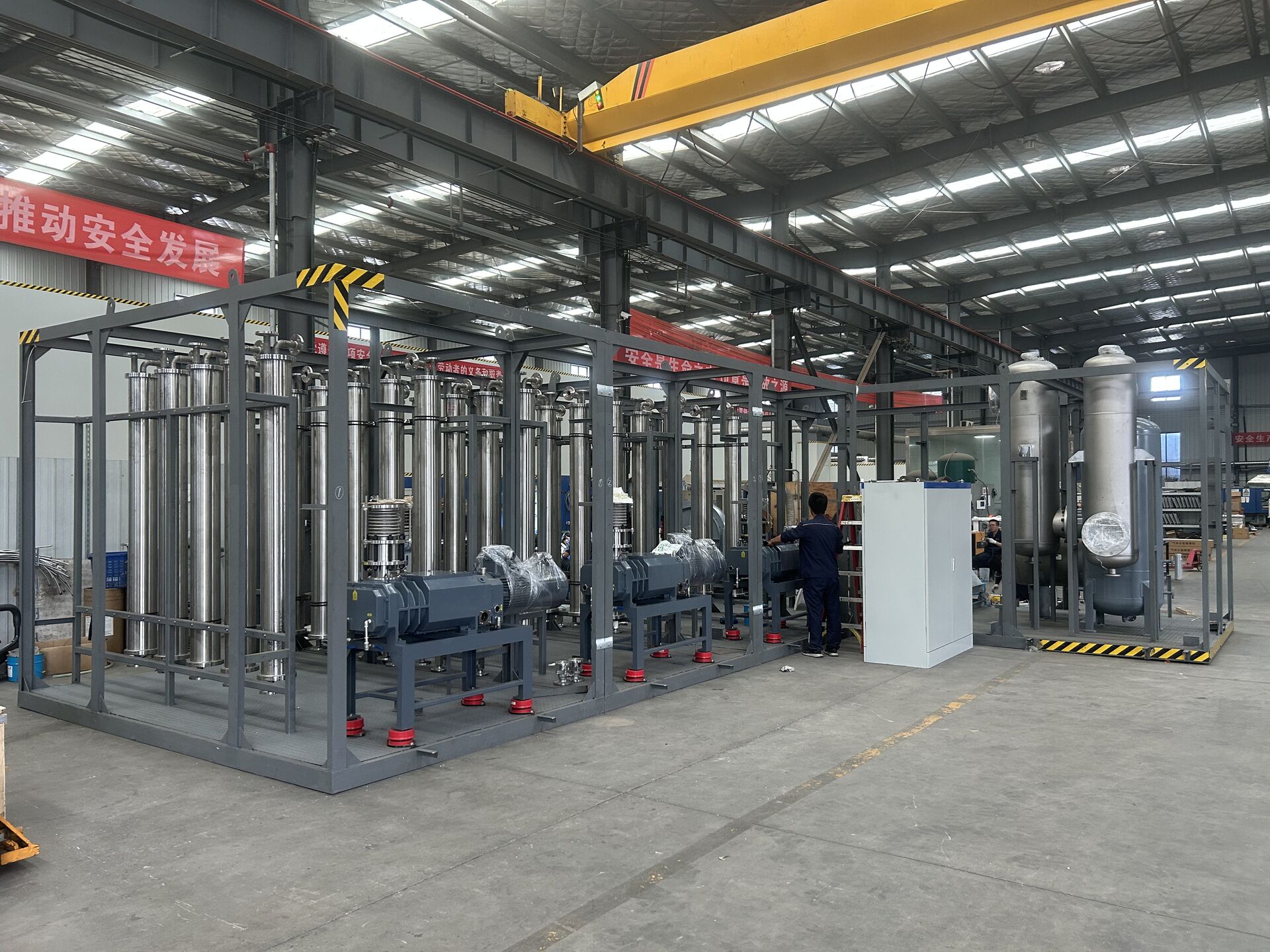
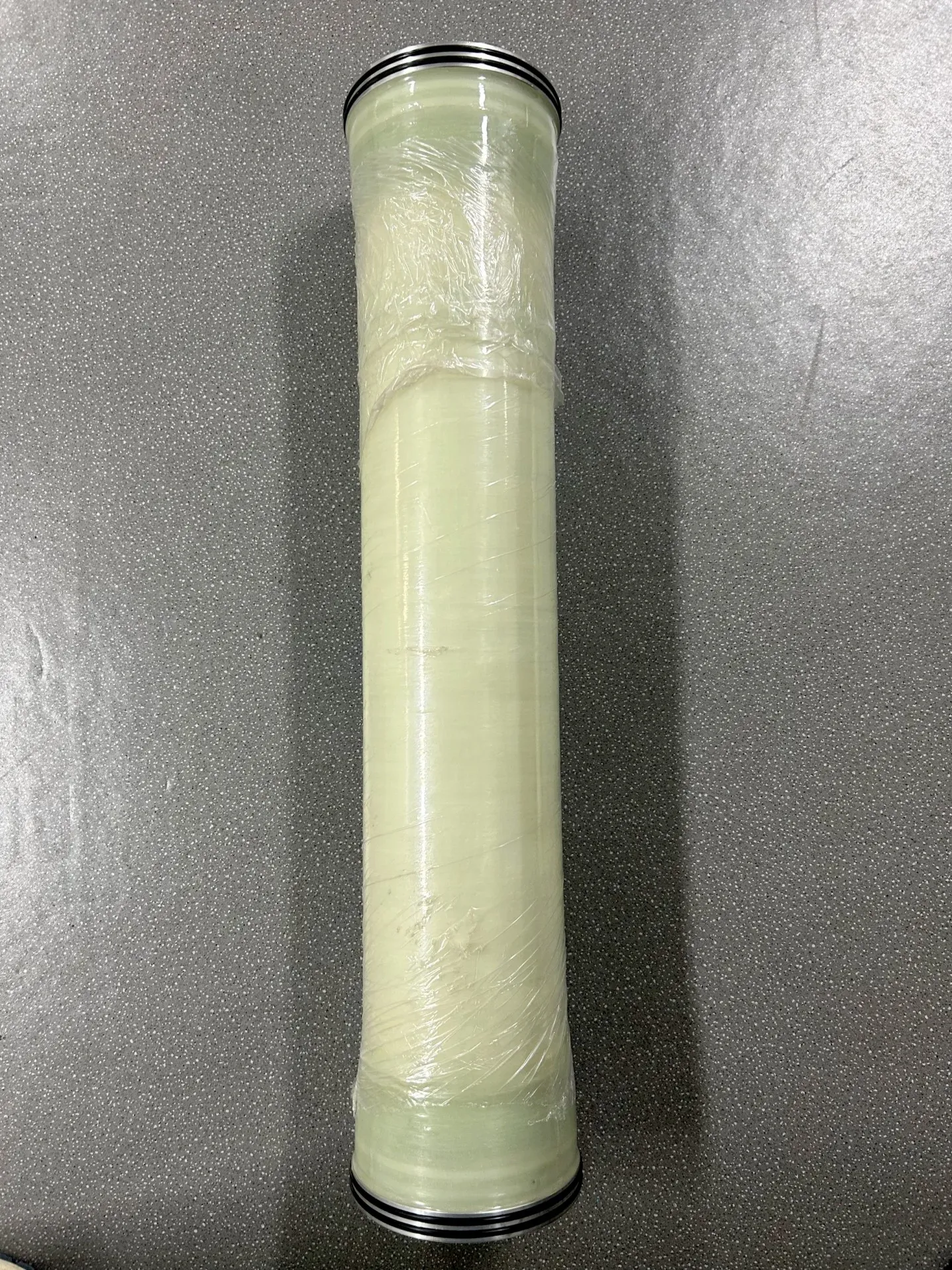
In the technical route of VOCs waste gas treatment,gas separation membraneplaying an increasingly important role. It does not directly destroy or adsorb pollutants; instead, it separates organic compounds from the air in the exhaust gas through selective permeation.
The principle of membrane separation is based on the "dissolution-diffusion" mechanism. After the exhaust gas enters the membrane module, driven by the pressure difference, VOCs molecules preferentially dissolve and diffuse through the membrane layer to form a high concentration of permeable gas; nitrogen, oxygen and other air components are intercepted and discharged as purified gas. The permeation rate of VOC by polymer membranes is 10 to 100 times higher than that of air, which is the basis for selective separation of membranes.
The value of membrane separation in VOCs treatment is mainly reflected in the "concentration. Through the membrane module treatment, the concentration of organic matter in the exhaust gas can be increased by 5 to 10 times. This means that the original need to deal with large air volume and low concentration of exhaust gas, into only a small air volume and high concentration of gas. Regardless of the subsequent use of condensation recovery or other treatment methods, equipment scale and energy consumption can be significantly reduced.
Gas separation membranes have their own applicable boundaries. It is more suitable for medium and high concentrations of VOCswaste gas treatment. When the concentration is too low, the concentration effect is limited and the economy is not obvious. The intake air needs to be pretreated to remove dust, oil mist and excess moisture to ensure the service life of the membrane module. The membrane module adopts modular design, which can be expanded in parallel when the processing capacity increases, and the system adaptability is good.
Mr. Li 13526990215

Hotline