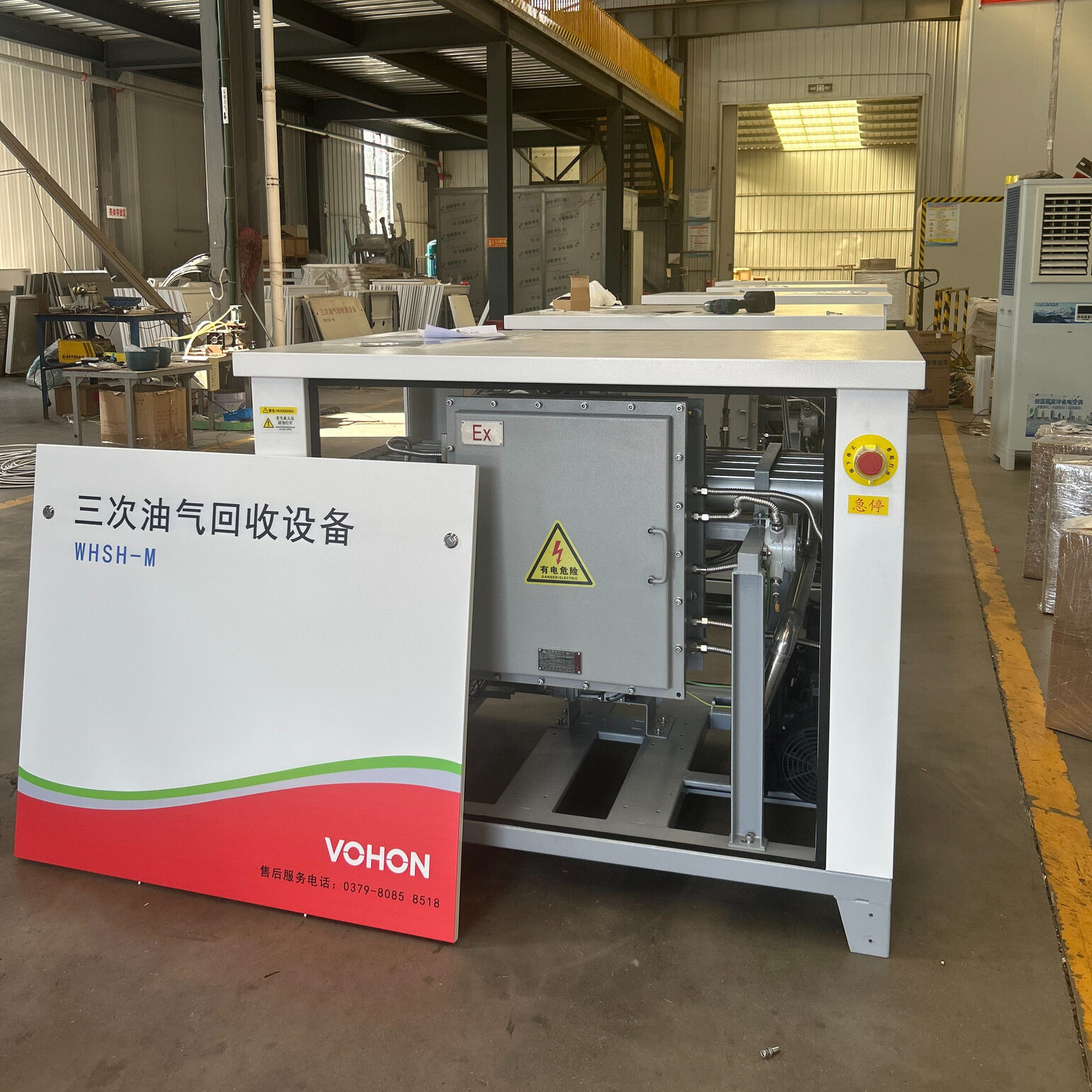
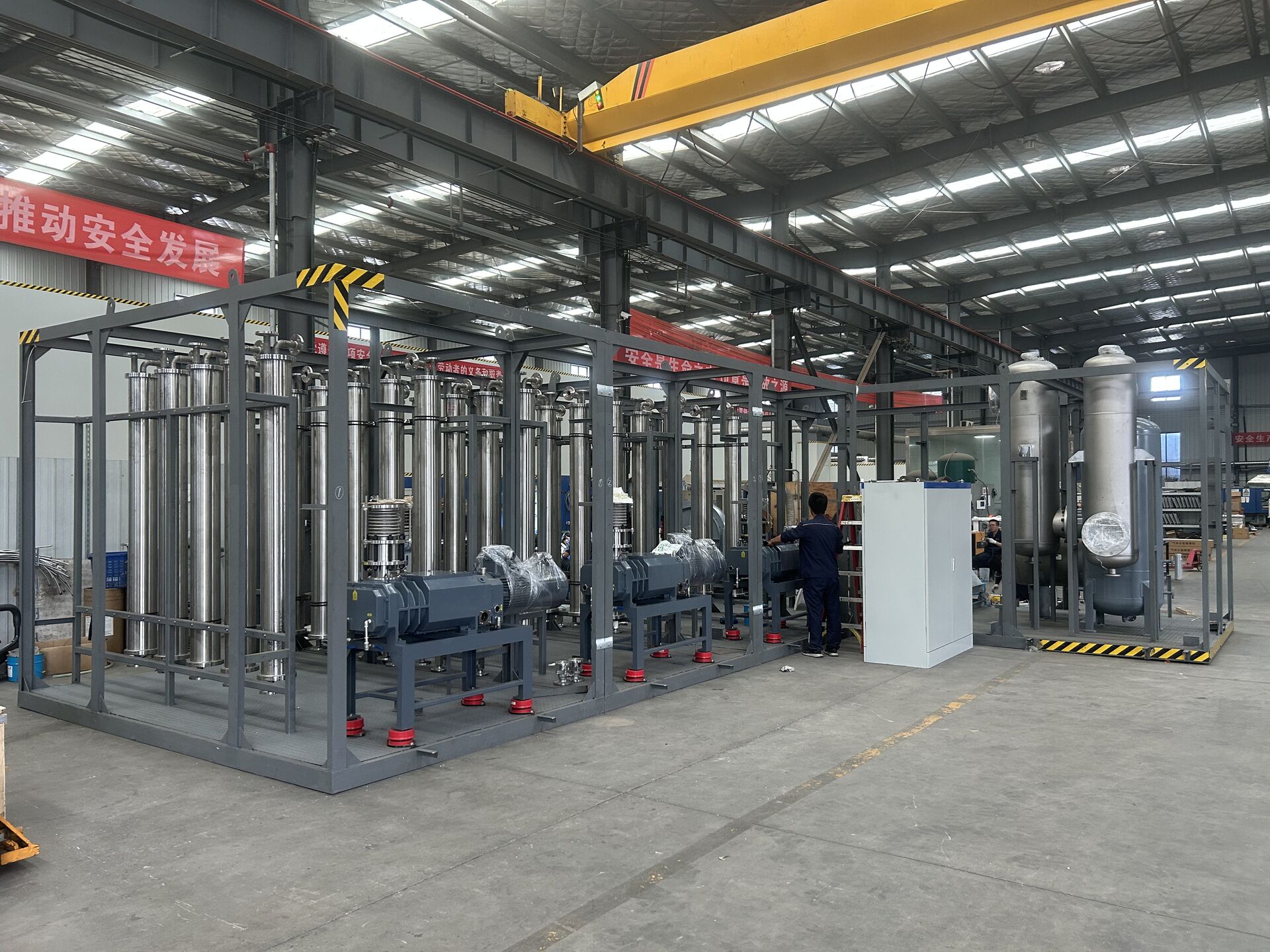
After the three oil and gas recovery units were put into operation, occasional abnormalities occurred: the pressure drop in the tank could not be reduced, the emission concentration increased, and the equipment did not start when it should have started. Faults are not scary, what's scary is not being able to troubleshoot and blindly handle them. By mastering the troubleshooting ideas for common faults, gas stations can make preliminary judgments before remote support from manufacturers, thereby reducing downtime. This article combines common problems with the WHSH series devices of Wohong and compiles a practical troubleshooting reference.
If the pressure in the oil storage tank cannot be reduced, usually check if the equipment has started normally first. Check the operation record on the touch screen to confirm whether the compressor automatically starts and stops according to the set pressure. If the equipment starts normally but the tank pressure is still high, it may be due to a small selection of processing capacity, and the oil and gas generation rate exceeds the device's processing capacity. It is necessary to calculate the unloading frequency and evaluate whether to upgrade to a higher processing capacity model; It is also possible that there is a blockage in the intake pipeline. Check if the pipeline is bent, if there is fluid accumulation, or if the valve is not fully opened.
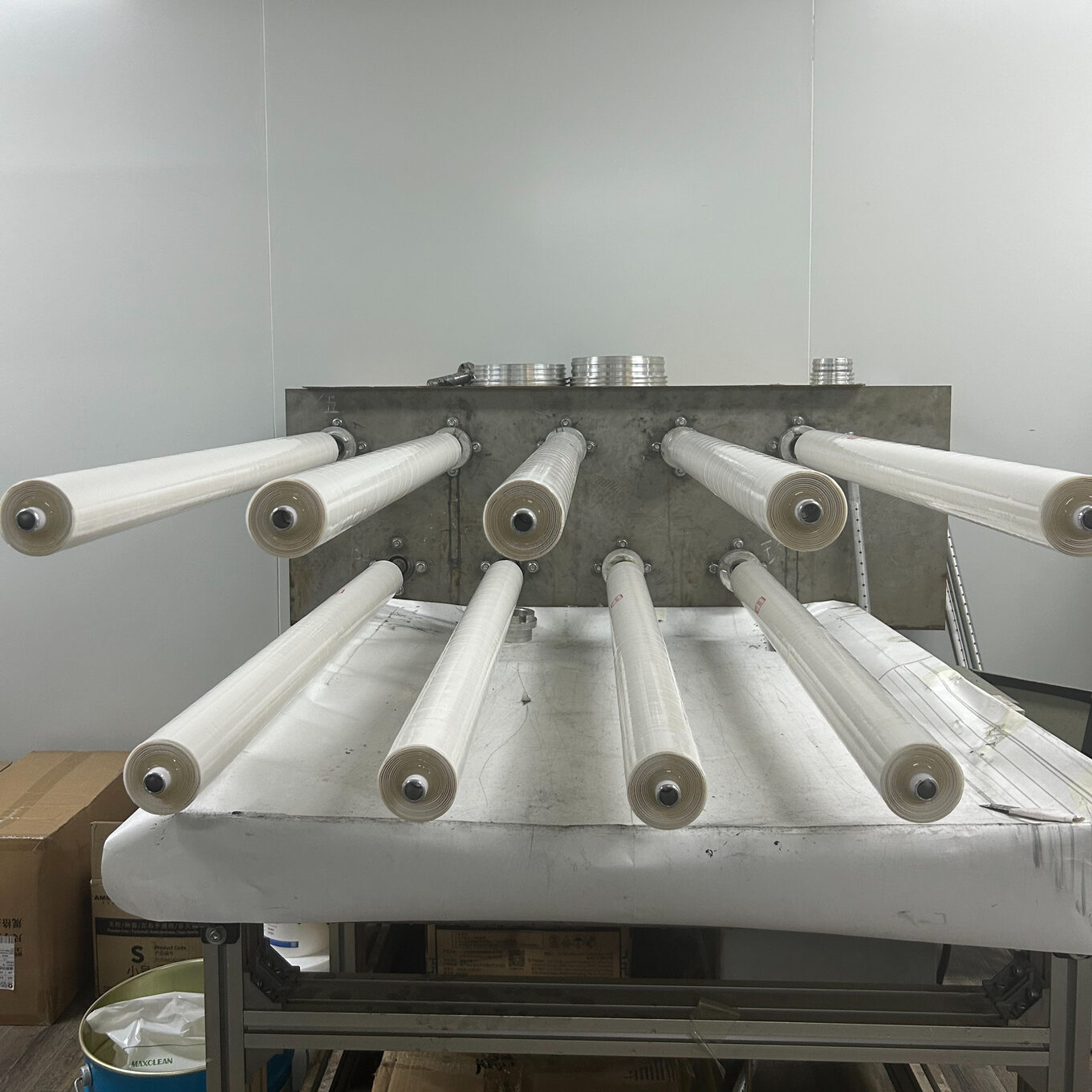
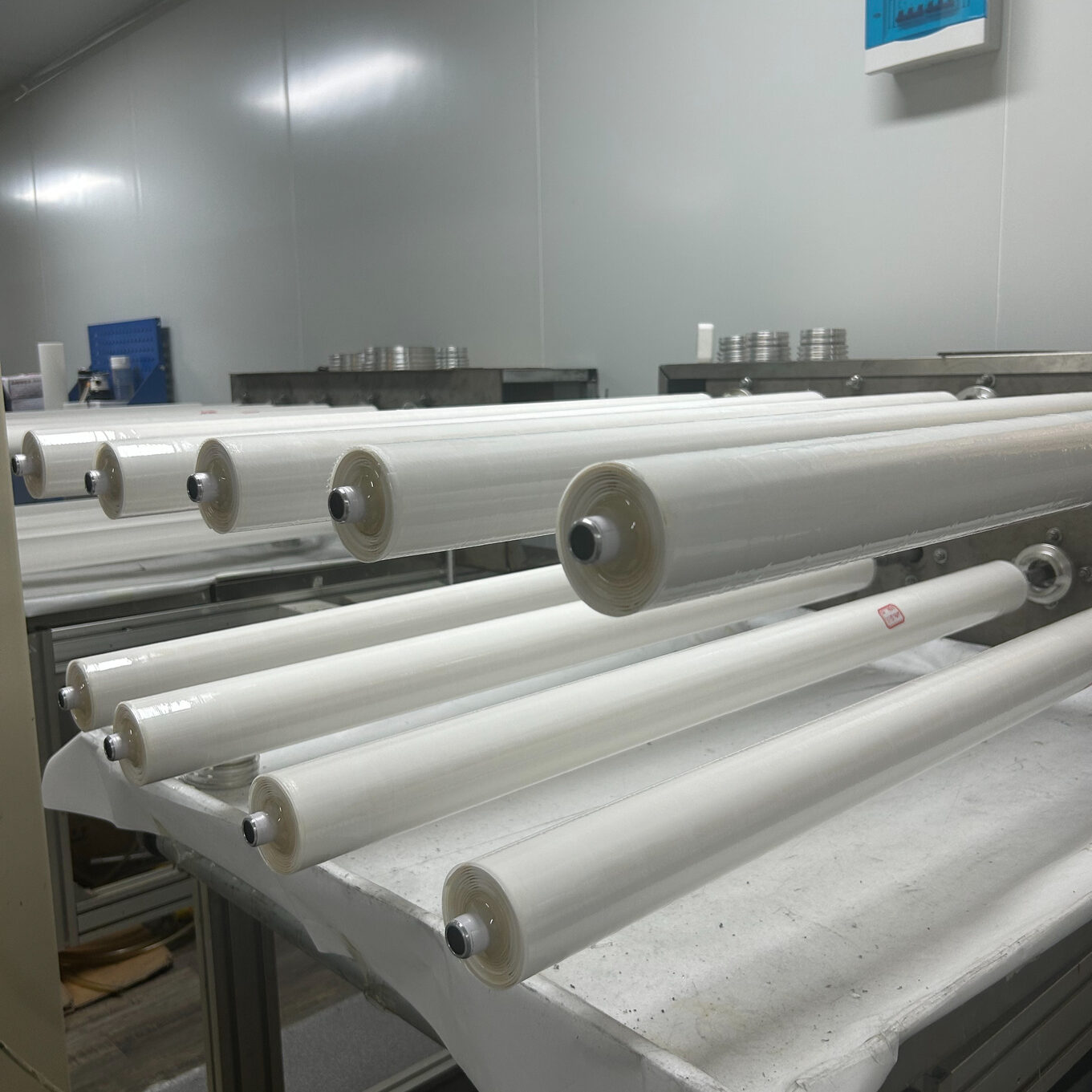
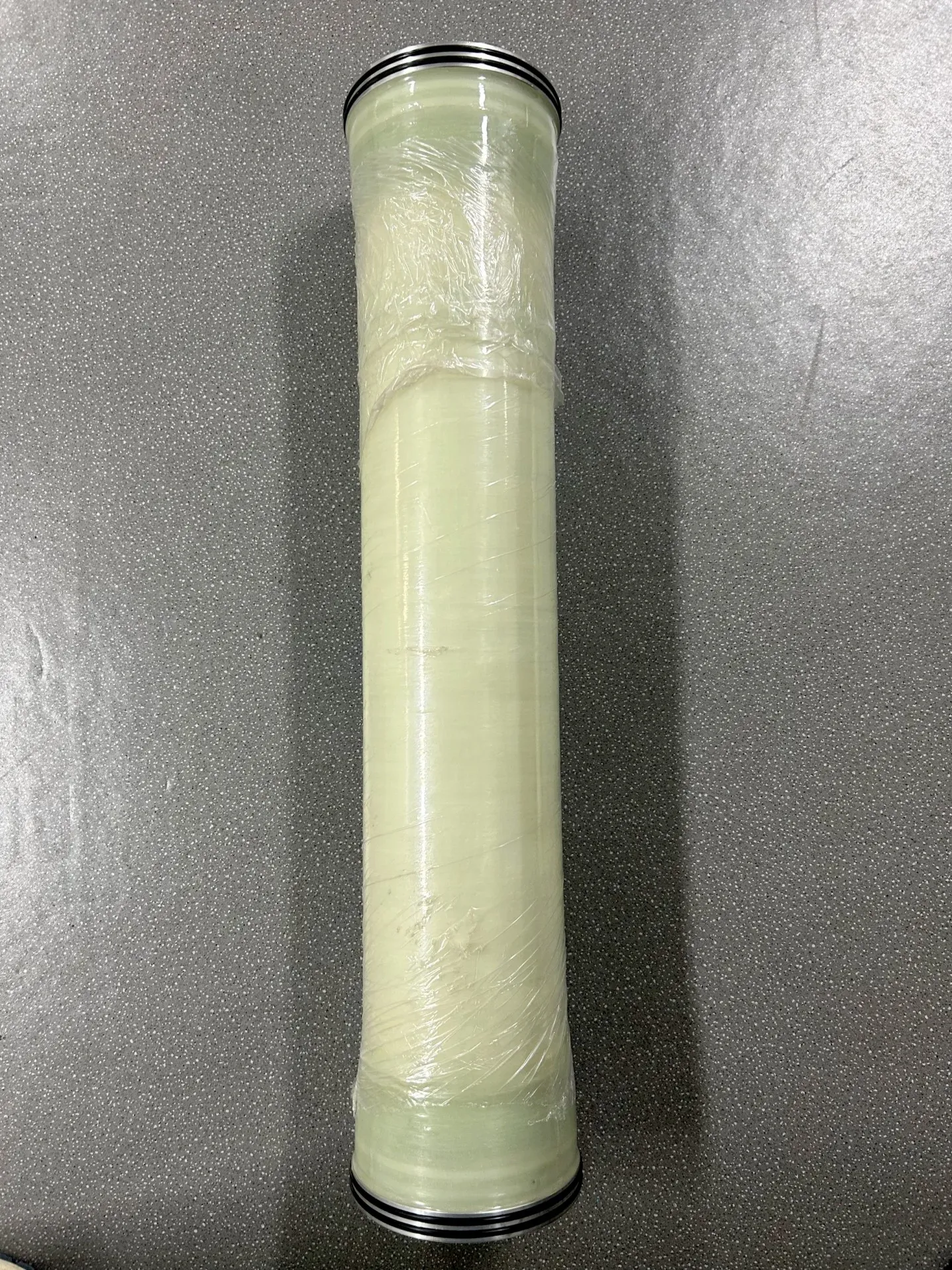
Emission concentration is the core indicator for measuring treatment effectiveness, and the WHSH series can control the concentration of non methane total hydrocarbons in exhaust gas below 10 grams per cubic meter under normal operating conditions. When the concentration shows an upward trend, priority should be given to checking the status of the membrane separation components: the performance of the membrane components will gradually deteriorate after long-term operation and requires professional testing and evaluation; At the same time, check whether the cooling fins of the air-cooled heat exchange module have accumulated dust. The decrease in condensation effect will increase the load on the membrane module, and the two should be jointly investigated.
If the automatic control fails, first check the pressure sensor and control system: confirm whether the pressure setting parameters are correct, whether the sensor is contaminated or damaged, and whether there is any fault alarm information on the touch screen. The WHSH series has fault self diagnosis function, and alarm codes can help quickly locate. If the sensors and parameters are normal, check if the power supply and air circuit are unobstructed, and if the compressor protection device is activated.
The oil and gas recovery equipment is located in a flammable and explosive environment, and troubleshooting must first adhere to the safety bottom line: before any unpacking, wiring, or maintenance operations, the power must be cut off; Measure the concentration inside and outside the equipment and the surrounding environment with combustible gas detection instruments, and only proceed with the operation after confirming safety; The explosion-proof junction box cover must not be opened during operation. If any problems cannot be determined during the troubleshooting process, contact the manufacturer for remote diagnosis in a timely manner, and do not disassemble the core components by yourself.
It is recommended to record the frequency of equipment start stop, operating pressure, and emission data during daily operation, and establish an operating ledger. The more sufficient the data accumulation, the faster the fault diagnosis and the more stable the equipment operation.
Mr. Li 13526990215

Hotline