
Butanone is concentrated in the coating, tape and light materials industry, and exhaust gas mainly comes from the coating surface and drying box exhaust. Compared with alcohol type solvents such as ethanol, the mutual solubility of butanone and water is limited, the condensate recovery liquid can be separated by layers, and the recovery configuration is relatively simple. However, the boiling point of butanone is about 80 ℃, the dew point is not high, and the condensation temperature is still required.
The volatilization of butanone in the coating workshop is concentrated at three points: the liquid surface of the coating head evaporates continuously and with stable concentration; The drying box exhausts with the highest concentration and the largest gas volume. There is also intermittent volatilization in the glue adjustment and cleaning links. Drying box exhaust accounts for 60% to 80% of solvent volatilization in the whole workshop, and this gas is given priority in recycling configuration.
The exhaust concentration of multiple ovens fluctuates with the batch and vehicle speed, and the collection branches are grouped according to the ovens to prevent the cold air from shutting down the oven from pulling down the main pipe concentration.
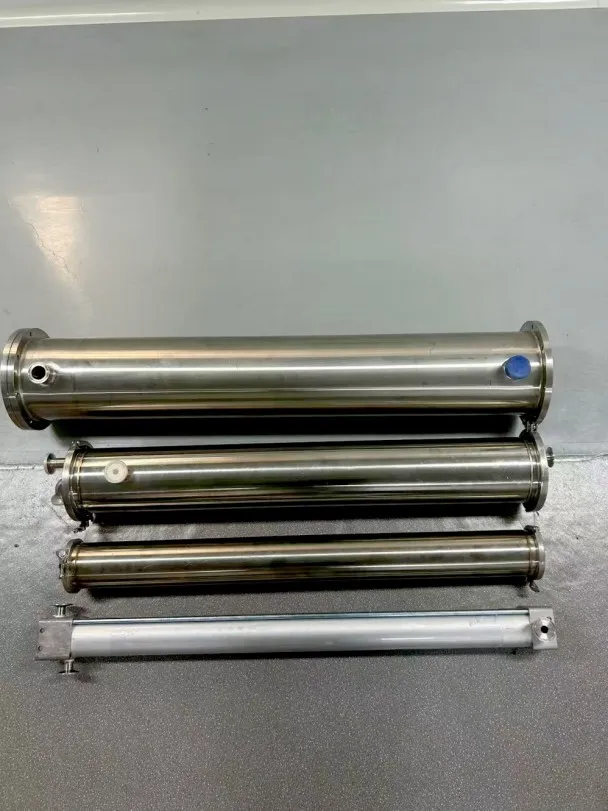
The coating head shall be partially enclosed, the hood opening shall be close to the liquid surface, and the air volume shall be limited to control the volatilization of the liquid surface. The exhaust of the drying box is connected to a separate branch pipe and connected to the recovery main pipe. Each branch pipe is equipped with an air valve and a concentration detection port, which is allocated according to the concentration during operation. The feeding port and cleaning point of the glue adjusting room are collected by enclosure. Although the amount is not large, the overall processing load will be increased when scattered in the workshop.
The pipeline design shall pay attention to the condensation characteristics of butanone vapor: condensate will precipitate when the temperature of the pipe wall is low, and the main pipe shall keep the slope and set a low point to drain the liquid to avoid clogging of accumulated liquid.
The tightness of the collection system directly determines the recovery economy: the seals of the enclosure and the cover mouth age with use, and the air valve is not closed tightly, which will cause wind to flow between the ovens. These details are easy to meet the standards during acceptance, and they are out of shape after half a year of operation. Regular verification is more important than one-time acceptance.
The condensation temperature is determined according to the dew point of butanone and the concentration of inlet air. If the concentration of exhaust gas in the oven is high, most of butanone can be condensed by secondary condensation. The characteristics of recovery liquid and limited water solubility reflect the value here: the oil phase is directly reused after the condensate is layered, and the water phase is treated according to the amount, which is less than the alcohol recovery process.
The low-concentration workshop ambient gas is treated separately from the oven exhaust, and the low-concentration air flow can be connected to the control section without entering the recovery section.
| Segment | Configuration considerations | Description |
|---|---|---|
| Coating liquid surface | continuous stable volatilization | Local enclosure, hood opening close to liquid level |
| Oven exhaust | Maximum gas concentration | Separate branch, valve set according to oven group |
| Glue adjustment cleaning | intermittent volatilization | Feeding port enclosure collection |
| Condensation temperature level | According to dew point and concentration | Secondary condensation collects most of the butanone |
| Recovery liquid separation | Limited solubility with water | Oil phase reuse after stratification |
| Pipeline | Vapor is easy to condense on the pipe wall | Hold slope, drain low |
The main impurities of butanone recovery liquid are water and a small amount of oligomers. After layering, the oil phase can be reused for blending after filtration and drying. Before reuse, the purity and moisture shall be tested according to the batch, and the ingredients shall be put into operation in accordance with the requirements of our factory. The temporary storage container of the recovered liquid is closed and protected from light to reduce evaporation loss.
The main risk of the recovered liquid after layered filtration is moisture and impurities, and the purity and moisture are tested according to the batch, which meets the batching index and then reused. A substandard batch is downgraded for cleaning purposes.
Not recommended. The exhaust concentration of the oven is high, and the separate recovery economy is good. The workshop ventilation air volume is large and the concentration is low, and the confluency will dilute the intake air and lower the condensation efficiency of the recovery section.
Look at the boiling point and water solubility of the switching solvent. When switching between ketones such as acetone and butanone, the temperature position is basically common; when switching to alcohols or esters, review the temperature position and the treatment process of the recovery liquid.
This article by LuoyangWohong PetrochemicalEquipment Co., Ltd. arranges that the company provides design, manufacturing and operation and maintenance services for condensation recovery, membrane separation recovery and complete solvent recovery devices for chemical and pharmaceutical enterprises. If you need process evaluation or scheme configuration, please contact and exchange.
Mr. Li 13526990215

Hotline





