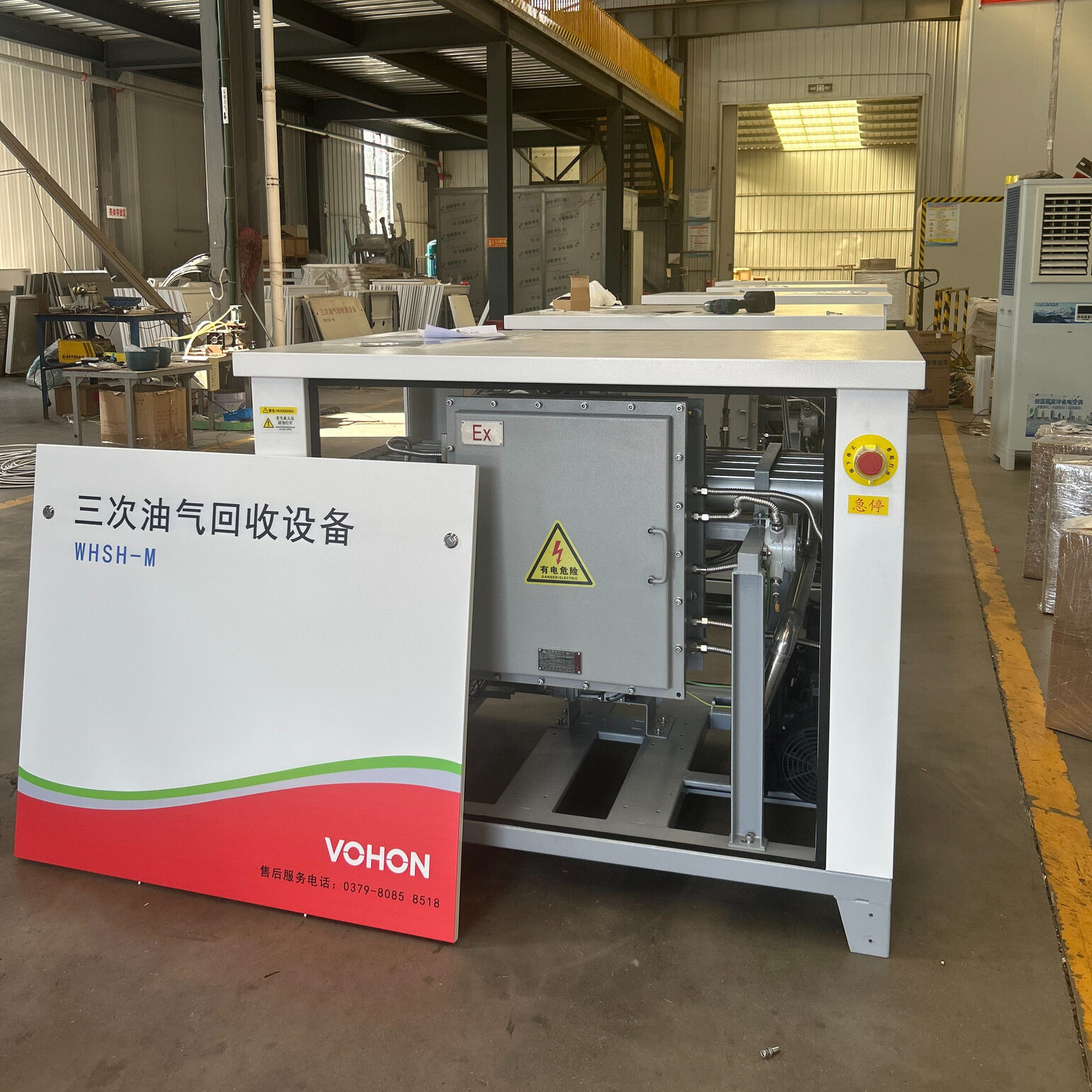
Dichloromethane is widely used in the pharmaceutical and fine chemical industries, and it is found in the post-treatment processes of extraction, washing and crystallization. Its physical properties give recovery two problems: boiling point is about 40 ℃, vapor pressure is high at normal temperature, conventional water cooling can only recover a small part, and cryogenic cooling is necessary. Both questions are answered well, and the recovery effect of dichloromethane belongs to a good class in halogenated hydrocarbons.
Dichloromethane tail gas in the pharmaceutical industry is concentrated in extraction stratification, washing and filtration, vacuum pump outlet and drying tail gas. The mother liquor volatilization of crystallization and centrifugal process is equally considerable. Scattered emissions from tank respiration, sampling and filling cannot be ignored. The concentration of each gas varies greatly: the concentration of non-condensable gas at the outlet of vacuum pump and distillation is high, and the concentration of dry tail gas is large and low. When collecting, the manifold is grouped according to the concentration. The high-concentration shares are directly cooled, while the low-concentration shares are concentrated first and then processed, and the cold amount is spent on the blade.
According to the boiling point and vapor pressure curve of dichloromethane, the temperature level in the cryogenic section must be pressed below the freezing point or even lower before the yield can go up. Wet exhaust gas directly enters the cryogenic section, and water vapor frosting quickly blocks the heat exchange surface. Therefore, drying and dehumidification are necessary in advance: cold and dry dehumidification presses dew point above the cryogenic temperature level to leave allowance, and the frost load in the cryogenic section is greatly reduced; The margin of dehumidification depth is checked according to unfavorable working conditions, and one more gear is reserved for working conditions with large fluctuation of moisture content in incoming gas. The defrosting of the low temperature section is scheduled according to the pressure difference trend as usual, the low point of condensate is traced with heat to prevent freezing, and the drain is included in the daily inspection.
The cold energy recovery in the low-temperature section is conveniently done: the heat exchange between the discharge condensate and the intake air is precooled, the cold energy is left in the system, the load and energy consumption in the low-temperature section are saved, and this heat exchanger is listed separately for nuclear configuration.
The solubility of dichloromethane and water is low, and the stratification of condensate is clear. This is the place where it is more convenient than alcohol and ketone: after the condensate is left standing to separate water, the organic phase is determined according to the purity test, the standard is used for the original purpose, and the lower one is used for extraction and washing. The separated aqueous phase contains a small amount of dissolved dichloromethane, which is discharged after treatment according to the specifications. The disposal direction of the aqueous phase is recorded in the ledger. The recovered liquid is stored in a closed manner, the volatilization loss of dichloromethane is fast, the account of open storage cannot be calculated, and the respiratory emissions from the tank farm should also be collected together.
| Project | Features | Configuration considerations |
|---|---|---|
| boiling point | About 40 ℃ | Water cooling yield is limited and deep cooling is required. |
| Flammability | Non-combustible | Safety pressure small standard does not drop |
| Containing wet tail gas | Deep cold frost fast | Dry dehumidification front must match |
| Condensate | Clear layering | Static water separation detection direction |
| Aqueous phase | Contains dissolving solvent | Disposal of emissions as per specification |
| Storage | Highly volatile | Closed tank to avoid open |
The explosion-proof requirement is indeed lower than that of hydrocarbons, but it does not mean that it does not matter: closed collection, electrostatic grounding and ventilation are configured as usual, and environmental protection and occupational health constraints are equally strict. Good security is its strength, management standards can not follow the drop.
Direct measurement by dew point meter or conversion by temperature and humidity method are commonly used, and sampling points are selected in representative pipe sections. The moisture-containing data is the basis of dehumidification configuration and cryogenic load accounting, and it is measured several rounds in the early stage of operation, which is more reliable than the estimation according to the design value.
After the mixing of dichloromethane and dichloroethane, the difficulty of separation and purification of condensate increases. The varieties used in the same process are switched and purged according to batches, and the condensate is tested and stored in batches, which is lower than the processing cost of long-term mixed collection.
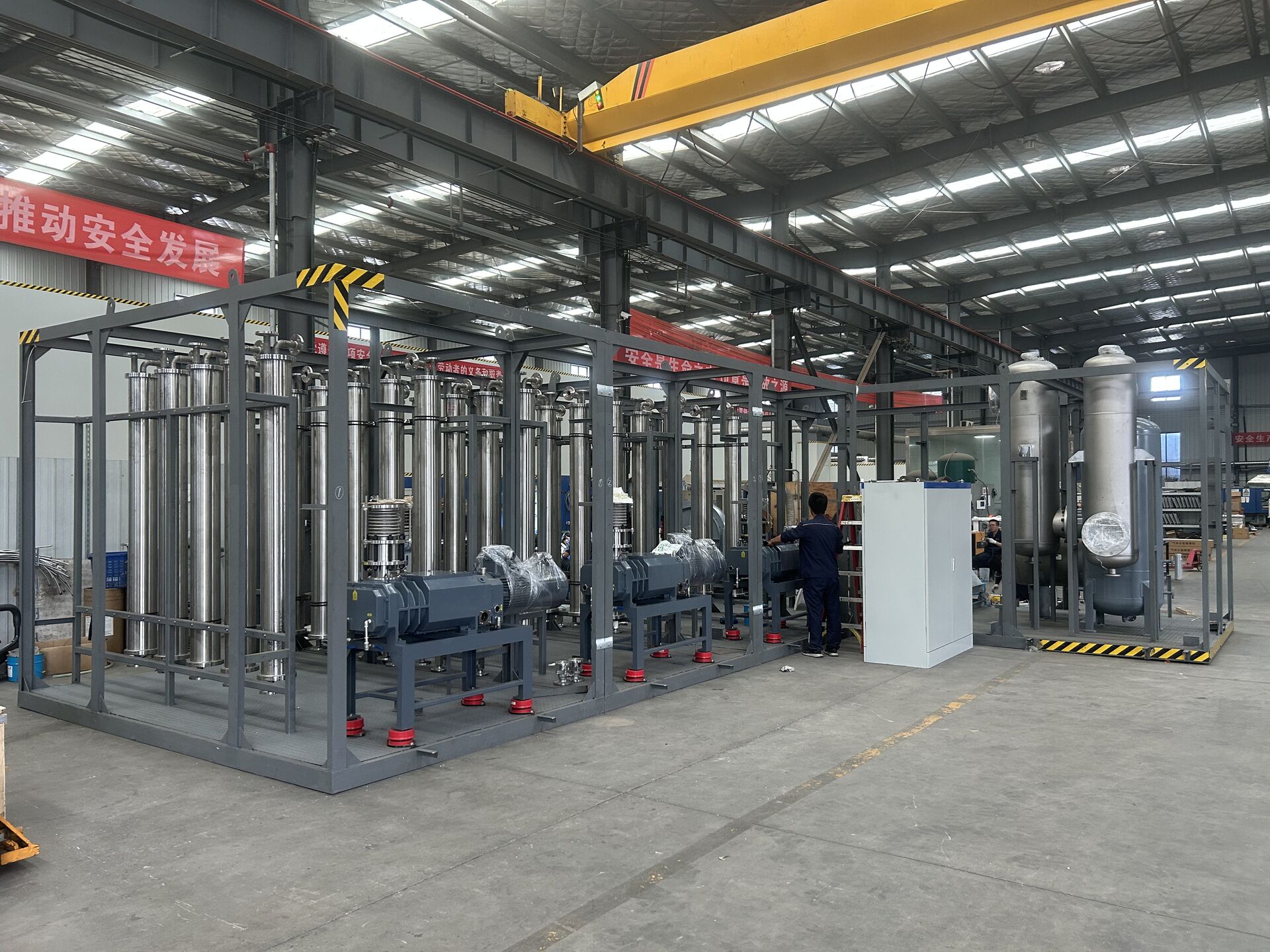
This article by LuoyangWohong PetrochemicalEquipment Co., Ltd. arranges that the company provides design, manufacturing and operation and maintenance services for condensation recovery, membrane separation recovery and complete solvent recovery devices for chemical and pharmaceutical enterprises. If you need process evaluation or scheme configuration, please contact and exchange.
Mr. Li 13526990215

Hotline