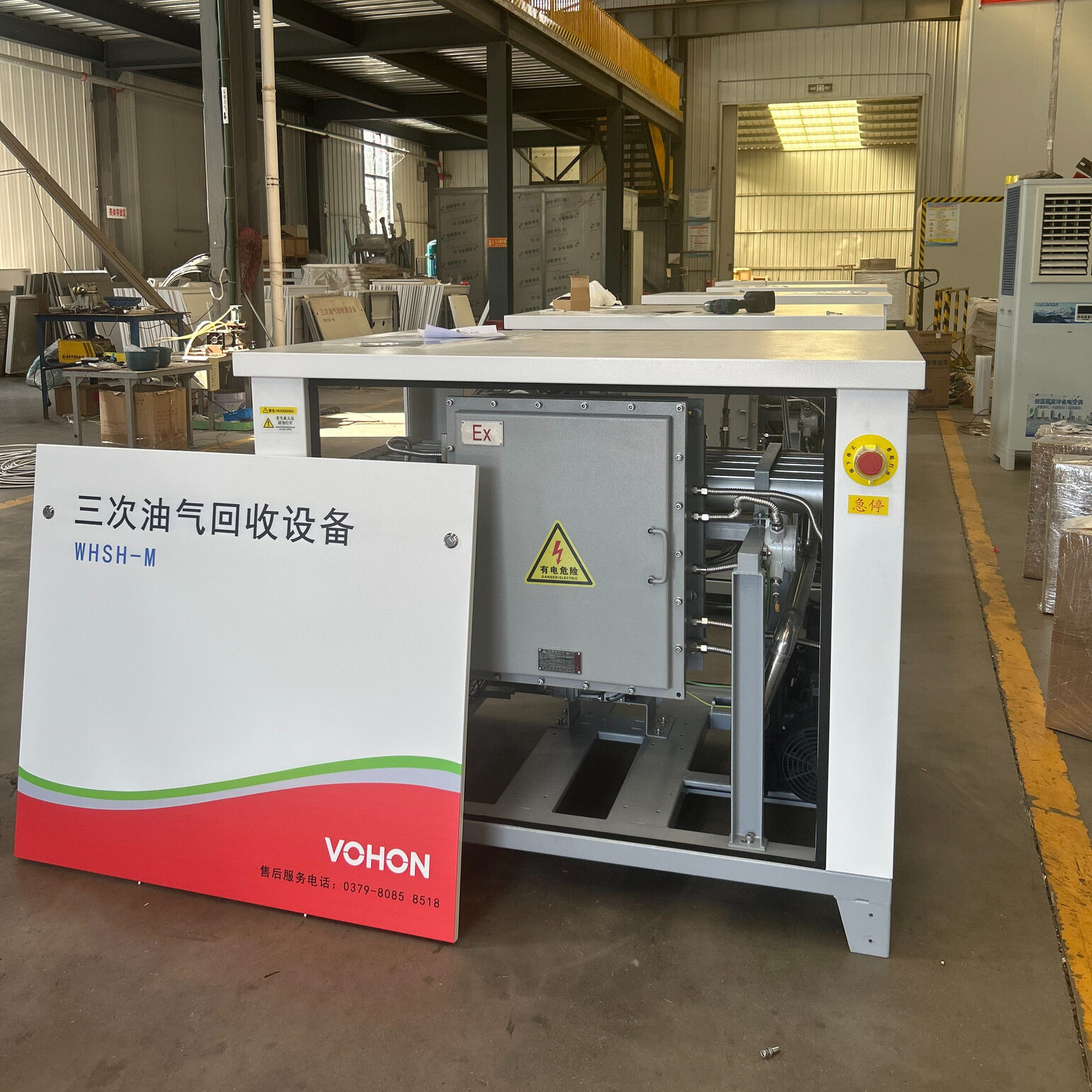
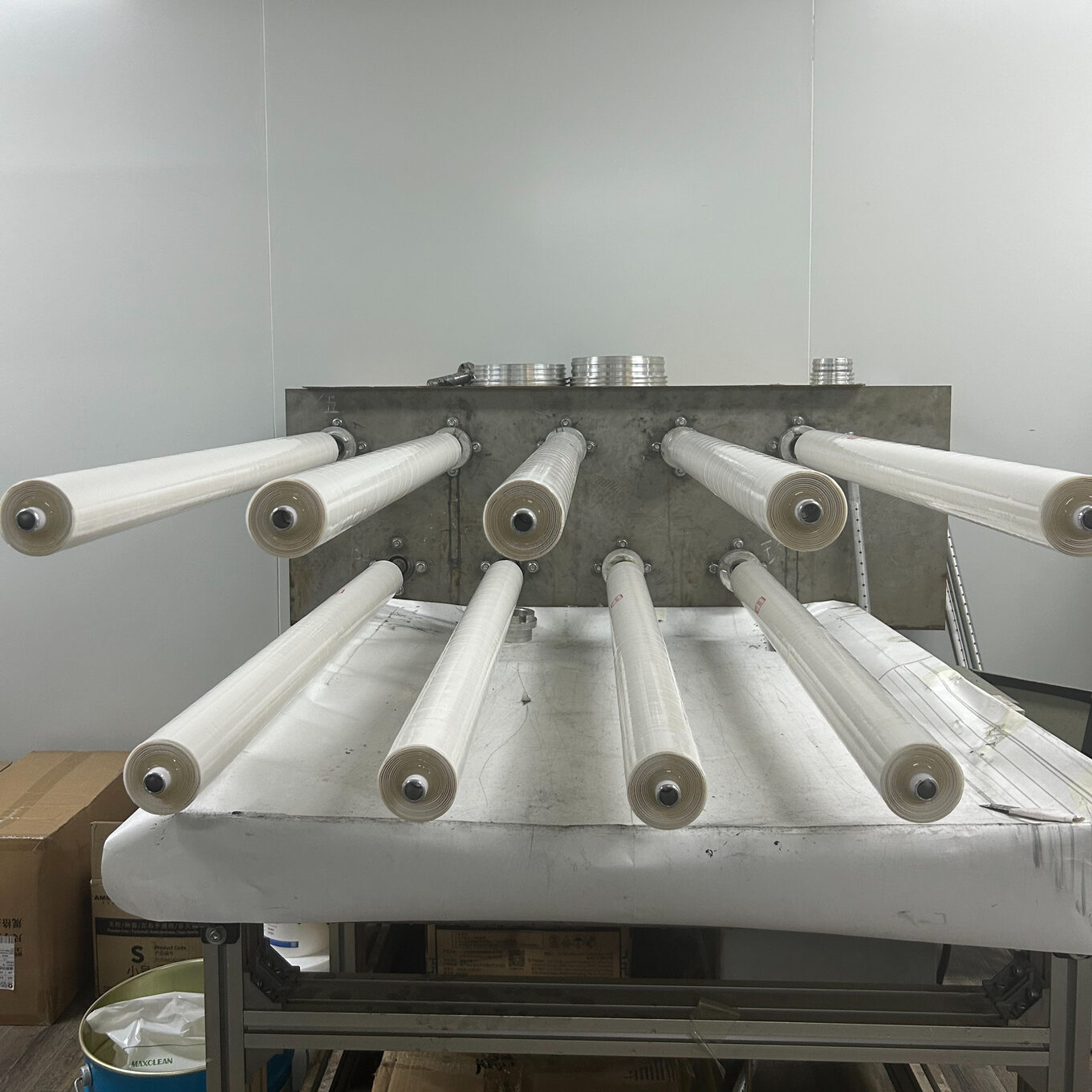
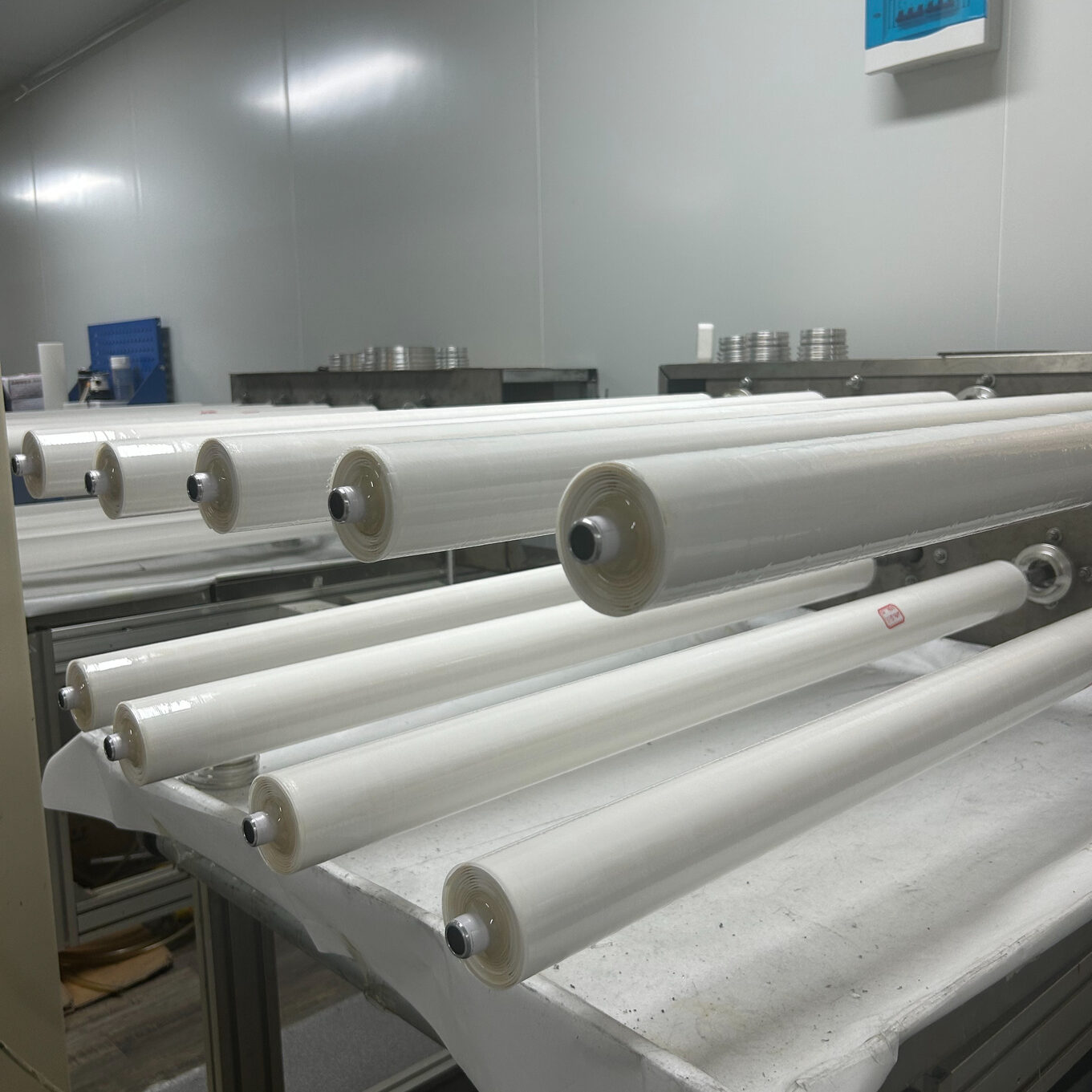
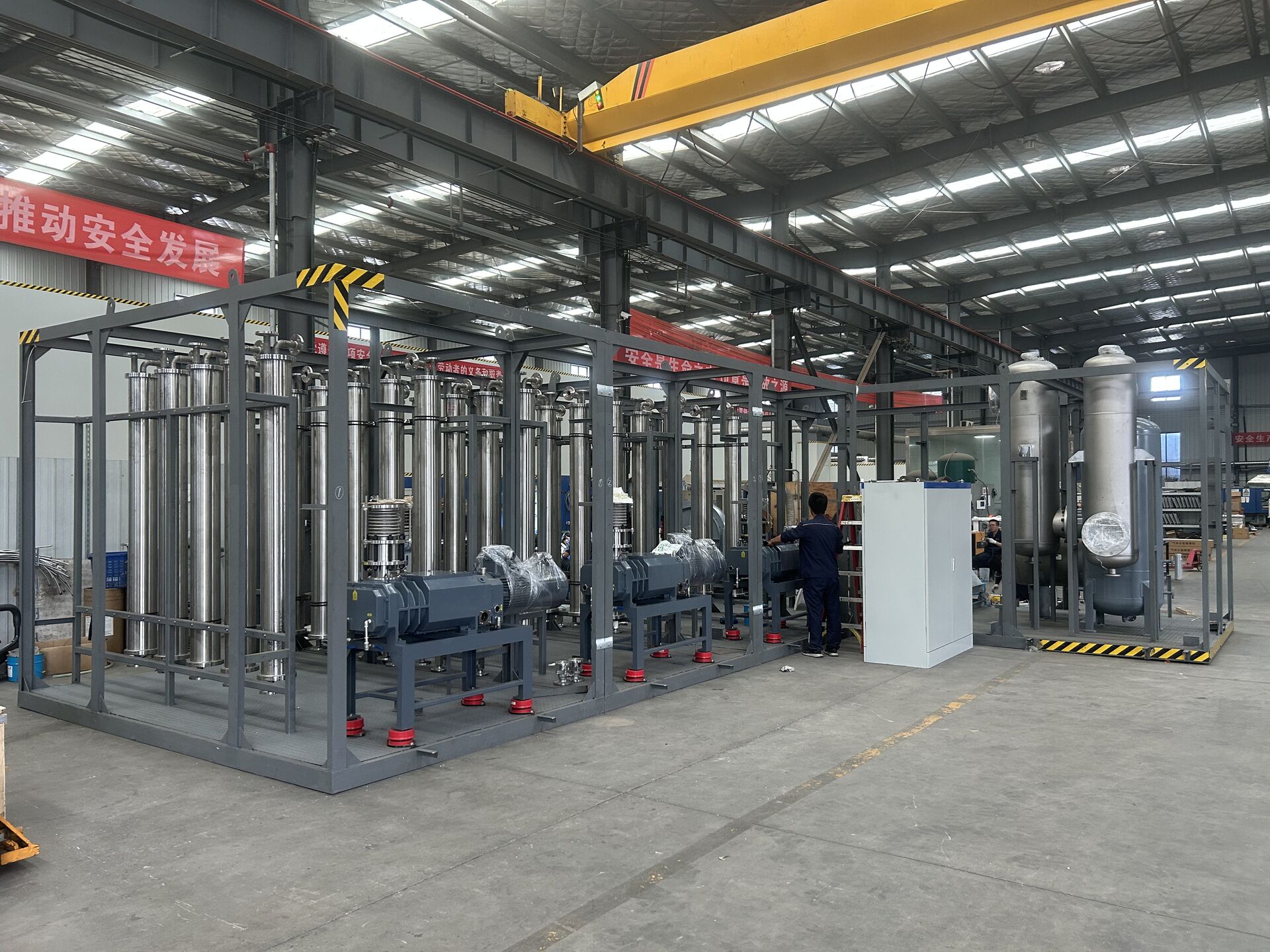
After three to five years of operation of the solvent recovery unit, the decrease in efficiency and the increase in faults are the general laws: fouling of the heat exchanger, wear of the pump, aging of the control components, and accumulation item by item. Overhaul and technical renovation are two ways to restore the ability of the device: overhaul to solve the state of recovery, technical renovation to solve the ability to improve, the combination of the two according to the actual state of the device, no repair is already, repair once a few years.
The difficulty of overhaul organization lies in the shutdown window: the recovery device is linked with production, and the shutdown time should give way to production. The window is short and there are many projects. If the organization is not good, it is easy to rush for work and leak items, and if the repair is not long, there will be problems.
Pre-repair evaluation determines the scope and depth of overhaul: review of operation data-comparison of recovery rate, energy consumption and fault records by year, and list attenuation items and frequent fault items; State inspection-heat exchanger core pulling scale inspection, pump vibration measurement, electrical insulation and control element action test, item by item; List classification-according to the required, inspection and observation items, the required items are overhauled, the observation items shall be included in the next maintenance plan.
During the evaluation phase, spare parts and outsourcing will be implemented: long-cycle parts will be ordered in advance, and outsourcing projects such as flaw detection and dynamic balance will be scheduled in advance, with the greatest loss of such parts after opening the window. The evaluation report is issued in writing: the participants have a list, the attribution of the project corresponds to the responsible person one by one, and the preparation before the window starts will be written off item by item according to the list.
The technological transformation is carried out together with the overhaul window, thus eliminating the need for separate shutdown: the heat exchange core with insufficient heat exchange area will exchange high-efficiency heat exchange core, the recovery rate will decrease due to the insufficient cooling capacity of condensation temperature, the old components of the control system will be upgraded while the shutdown is carried out, and the discharge and feeding links of manual operation will be changed to automatic. Technical renovation items are selected from the evaluation list-only those supported by data are not treated as items to be changed.
The income accounting of technical reform should be conservative: according to the incremental recovery amount and operation savings to calculate the payback period year by year, the calculation takes the lower limit, the payback period of less than two years of the project priority arrangement. In the order of implementation, the control class technical reform first-it lays a good foundation for the subsequent operation adjustment, and the heat exchange project is followed.
| Segment | Main content | Key points of organization |
|---|---|---|
| Shutdown Replacement | Material withdrawal and cleaning | Hot work conditions in advance |
| Heat exchanger | Core pulling cleaning or core replacement | Parallel to pump maintenance |
| Pump overhaul | Disassemble and measure replacement parts | Inspection after arrival of spare parts |
| Electrical control | Component Replacement and Upgrade | Interspersed with process items |
| implementation of technical reform | Items in the assessment list | Only when there is data support can we go on |
| Pressure test linkage | Complete over again | On-load Commissioning Sign-off |
The organization in the window is arranged according to the network plan: replacement and hot work are carried out first, heat exchanger cleaning is carried out in parallel with pump maintenance, electrical and control items are interspersed between process items, and pressure test and linkage are completed in the closing stage. Check the progress after work every day, transfer resources on the same day of the delayed project, and do not drag the outstanding account to the end of the window.
According to the state of the device, not a fixed number of years: the trend data of recovery rate and energy consumption decline for two consecutive years, and overhaul is arranged when frequent failures increase. The device in good condition lengthens the interval and uses the maintenance cost on the node where the data is spoken.
It is normal to complete the state recovery overhaul in five days. The key is preparation before repair: spare parts arrive, plan to people, outsourcing schedule, and only hands-on work is done in the window. The technical renovation project will be implemented in two windows for a long time, and the construction period will not be forced.
Calculate three accounts: the total investment of overhaul and technical improvement, the difference in operating costs between the old and new devices, and the remaining life of the existing devices. Under most conditions, the technical transformation of heat exchange and control links can bring the device capacity back to the design level, and the overall replacement is only considered when the life of the main equipment expires.
This article by LuoyangWohong PetrochemicalEquipment Co., Ltd. arranges that the company provides design, manufacturing and operation and maintenance services for condensation recovery, membrane separation recovery and complete solvent recovery devices for chemical and pharmaceutical enterprises. If you need process evaluation or scheme configuration, please contact and exchange.
Mr. Li 13526990215

Hotline