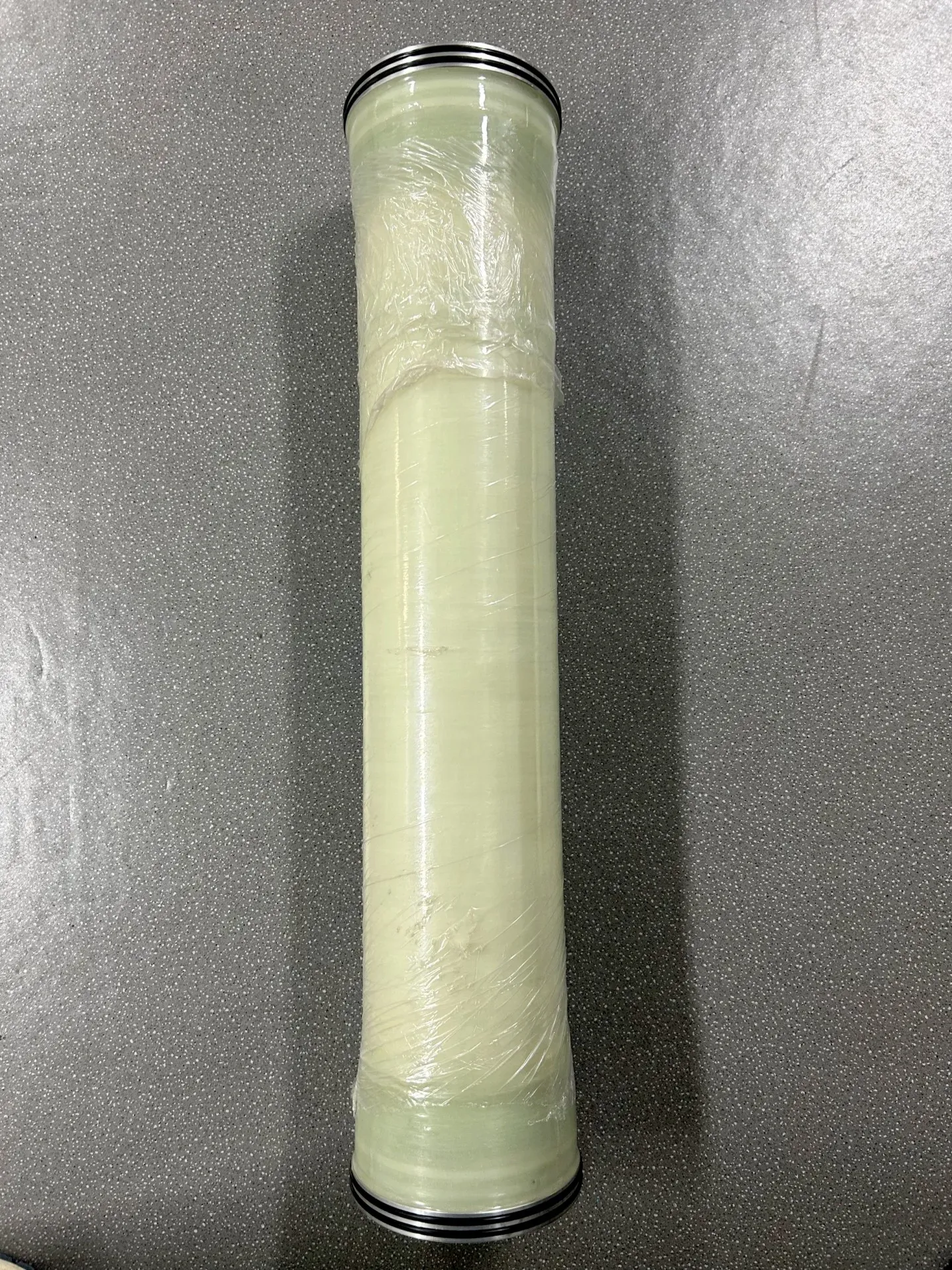
What is important about the start-up and shut-down of membrane separation device? Answer: The core is in order-when starting up, first confirm the pre-treatment operation, establish the vacuum side suction, and then gradually introduce the intake air to prevent the unfiltered gas-liquid mixture from directly flushing the membrane; when stopping down, cut off the feed first, let the system go for a period of purging and pressure relief, and then stop the vacuum pump to prevent the residual pressure on both sides of the membrane from pressing droplets into the separation layer. The wrong order does not necessarily lead to an accident on the spot, but the hidden damage such as the impact of the film layer and the start of the pump with liquid will accumulate, which is reflected in the early attenuation of the service life. In this paper, the confirmation before starting, starting sequence, shutdown sequence and common misoperation are listed clearly.
Four items shall be confirmed before starting up: the pressure difference of the pretreatment filter screen is in the normal range, and the blocked filter screen will be overloaded when starting up; The valve state of the pipeline is consistent with that of the flow chart, and the positions of the bypass and drain valves are correct. The oil level and sealing state of the vacuum pump are normal. There is no historical unreset item in the alarm of the control cabinet. The five minutes before starting the machine are exchanged for fewer accidents throughout the year. These four items are worth copying into cards and sticking them beside the control cabinet. Tick them one by one before starting the machine.
The standard sequence is "first auxiliary machine, then main machine, first vacuum, then feed": put into operation pretreatment and instrument air, start vacuum pump to establish permeation side vacuum, and observe that vacuum degree is in place and stable; Then slowly open the intake valve to let the intake gradually rise at low load, and observe the pressure difference between the front and back of the membrane and the flow rate on the permeation side. After the parameters enter the normal range, switch into automatic control. The process of lifting load is not to rob time, the cold film layer has the worst tolerance to sudden impact, and the slow lifting load is the basic protection of the film. If the pressure difference or flow rate fluctuates abnormally during the load rise, first stabilize and then look at the trend. Rusping to full load with illness will only magnify minor problems.
Shutdown and startup are symmetrically reversed: first close the intake valve to cut off the feed, let the device idle and purge for one to several minutes, and take away the oil and gas in the membrane surface and pipeline; Stop the vacuum pump again, then drain the residual pressure of the system and discharge the liquid accumulation in the separation section. Skip purging and stop the pump directly. Droplets and impurities remaining on the membrane surface continue to contact with the membrane during shutdown, which is a hotbed of pollution and corrosion. Emergency shutdown is an exception: emergency shutdown is performed under alarm trigger or abnormal working conditions, but reset and restart after emergency shutdown must follow the cold startup process to complete the skipped steps. Protective treatment should be carried out for long-term shutdown: the system should be drained, nitrogen filled or dry air should be filled to maintain pressure, and the manufacturer's requirements should be followed. The reason for shutdown and recovery method should be listed on the site to avoid misoperation by others.
| Segment | Misoperation | Consequences |
|---|---|---|
| Power on | If the filter screen is blocked and not checked, start the machine directly. | Membrane surface contaminated by impact |
| Power on | Advanced gas without vacuum | The pressure difference between the two sides of the membrane is out of control. |
| Power on | Load rising too fast | Film pressure impact accumulation |
| Shutdown | Stop Pump Directly Skip Purging | Residual liquid pollution membrane surface |
| Shutdown | If the residual pressure is not released, leave the site | Long-term compression of seals |
| Long-term shutdown | No protective treatment | Acceleration of membrane and pump corrosion |
Intermittent working conditions can be started and stopped, but frequent start and stop many times per hour is not friendly to vacuum pump and film layer. Stations with large tank pressure fluctuation give priority to widening the control band to reduce the number of start and stop.
According to the cold start-up process, do not directly reset and continue running: first check the filter screen and valve position, then build vacuum and slowly open the air intake. No one is watching the working condition at the moment of jumping, and it is the most stable to go again according to the regulations.
The flow rate on the permeation side falls back to the background, usually one to several minutes. The difference between the gas volume and the length of the pipeline is obvious. It is measured once when it is put into operation, and the time is written into the procedure.
This article by LuoyangWohong PetrochemicalEquipment Co., Ltd. arranges that the company provides design, manufacturing and operation and maintenance services for condensation recovery, membrane separation recovery and complete solvent recovery devices for chemical and pharmaceutical enterprises. If you need process evaluation or scheme configuration, please contact and exchange.
Mr. Li 13526990215

Hotline