
How to recover the tail gas containing halogenated hydrocarbons? Direct answer: The core contradiction of halogenated hydrocarbon recovery is corrosion-chlorinated and fluorinated components release halogen in the presence of trace water, which forms continuous erosion on ordinary carbon steel and some stainless steel. Material selection is the first pass, and process matching is the second. The common practice is to use corrosion-resistant alloy, engineering plastic or lining structure for the contact section, halogen-resistant material for heat exchange and condensation parts, and ordinary rubber for seals according to medium selection. Technically control the moisture and temperature range of intake air to avoid corrosion acceleration area. The additional benefit of the recovery of the halogen-containing system is the high value of the components, the parking and leakage caused by a selection error, the cost far exceeds the material difference. In this paper, the material, process and maintenance of the three sides of the corrosion resistance points clear.
The mechanism of corrosion is not complicated: halogenated hydrocarbons decompose and release hydrogen halides under water, high temperature or open flame conditions, and hydrogen halides dissolve in condensed water to form acidic medium, forming continuous pitting and uniform corrosion to metals. The danger is hidden in three places: the stagnant gas during parking is more active than during operation, the water accumulation part is the hardest hit area of corrosion, and the seal and weld are the weak points of priority failure. In the form of expression, first, the flange sealing surface and weld seam turn black and lose light, then the pipe wall is thinned, the valve is jammed, and so on smell, see leakage, corrosion has been carried out for a long time. Therefore, the inspection focus of halogen-containing working conditions is different from that of ordinary solvent stations: it is not the oil trace but the sealing surface state and liquid accumulation composition.
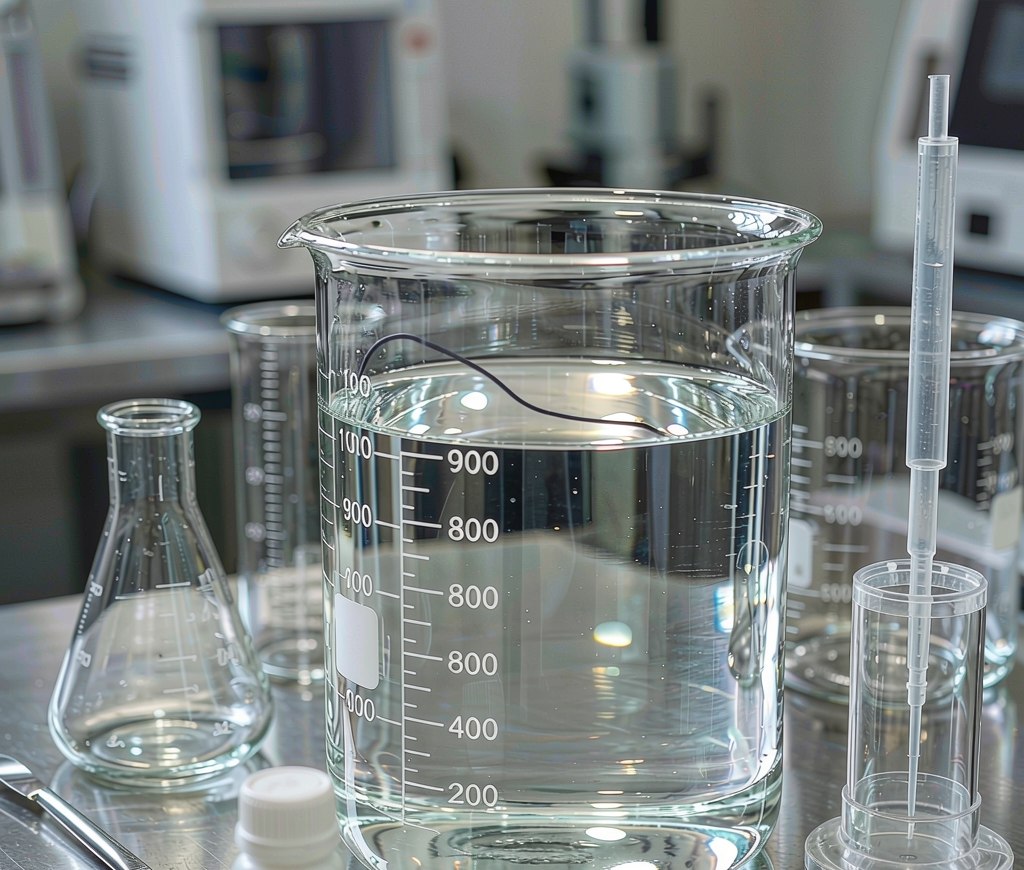
Material selection shall be graded according to the degree of contact: stainless steel or nickel-based alloy with high pitting corrosion resistance equivalent shall be used for gas phase contact parts, and the brand shall be calculated according to the medium component; The grade of the contact part between condensate and effusion shall be raised to another level, or engineering plastics and lining structure shall be used instead. The lining construction quality shall be checked and accepted by special personnel. The bulge and pinhole are the precursors of lining failure. The seal is the earliest contact corrosive medium in the whole system. According to the medium and temperature, fluorine rubber or perfluorinated material is selected. The life of ordinary nitrile rubber in halogen environment is measured by months. Valve and pump shall be selected according to corrosion allowance, and shall not be applied according to the diameter of clear water. The weld seam and heat treatment process shall be matched with the material, and the wrong welding material is equal to white.
There are three things in the process to control the corrosion rate: pretreatment of intake water, drying or defoaming equipment to block water at the front end, and timely drainage of accumulated liquid without retention; The temperature range should avoid the corrosion acceleration zone and replace it with inert gas when parking. Do not let halogen-containing gas phase stay in the system for a long time. Corrosion monitoring at sampling and discharge points is included in patrol inspection, and hanging films and wall thickness measuring points are regularly recorded, data trends are more telling than single-point readings. Corrosion ledger shall be established on the maintenance side: record the state and wall thickness of seals, welds and hanging pieces for each overhaul, arrange preventive replacement according to the trend, and do not wait for leakage before passive emergency repair. The empirical rule of halogen-containing devices is that the number of unplanned shutdowns can be kept very low at sites where corrosion management is in place.
| Part | Corrosion Risk | common practice |
|---|---|---|
| Gas phase pipeline | hydrogen halide pitting | Material selection for pitting corrosion resistance equivalent accounting |
| Condensate effusion section | heavy corrosion in acidic medium | Material Lining or Lining |
| heat exchange surface | Corrosion under scale after scaling | Regular cleaning of corrosion resistant materials |
| Seal | early failure link | Regular replacement of fluorine materials |
| Valve pump | jamming and thinning | Selection by corrosion allowance |
| Weld area | Stress and Material Mismatch | Welding material matching heat treatment |
Look at the accumulated water and temperature: the service life is acceptable in dry gas phase environment, and the attenuation of the part where the condensate contacts or stops the accumulated water is obviously accelerated. It is not recommended to select materials according to the caliber of common solvent under halogen-containing working conditions, and the saved material cost is often not enough for one leak repair.
Look at three trends: the thinning rate of wall thickness measuring points, the frequency of seal replacement, and the weight loss data of hanging sheets; If any item obviously deviates from the historical trend, it will be disposed of as accelerated, and the two root causes of moisture and retained gas will be checked first.
It depends on the matching of components and materials: dilution of corrosive medium after merger does not mean that the risk disappears, and it is safe to grade materials according to the most stringent components after merger. Material mismatch caused by blind flow merger is a common source of such accidents.
This article by LuoyangWohong PetrochemicalEquipment Co., Ltd. arranges that the company provides design, manufacturing and operation and maintenance services for condensation recovery, membrane separation recovery and complete solvent recovery devices for chemical and pharmaceutical enterprises. If you need process evaluation or scheme configuration, please contact and exchange.
Mr. Li 13526990215

Hotline





