
What is the logic behind the combination of organic vapor recovery membranes? Direct answer: Match according to concentration segments - the high concentration segment first condenses to collect the main liquid, the medium concentration segment uses a membrane to concentrate and concentrate the residual vapor, and the low concentration segment uses adsorption to collect the tail gas completely. The three segments are connected in series to each do their best. The criteria for judgment should be based on the concentration range and reuse requirements, rather than simply comparing which technology is better. This article explains the logic of "why to combine and how to match each paragraph". Many sites initially only use a single process, resulting in high concentration waste of recycling capacity and low concentration that cannot be collected cleanly. The concentration fluctuates and exceeds the standard, and the combination process is precisely to fill this gap.
Each single technology has its own ceiling: condensation is only collected cleanly at extremely low temperatures, and the energy consumption of deep freezing is so high that it is not worth it; Adsorption is friendly to ultra-low concentrations, but high concentration intake can quickly saturate the carbon layer and cause frequent regeneration; The membrane has a small volume and flexible start stop, but is sensitive to intake cleanliness and concentration range. Forcing a process to cover the entire concentration range from a few milligrams to several thousand milligrams will inevitably result in neglecting one aspect. The core idea of the combination is to optimize the overall recovery rate and energy consumption by only focusing on the concentration range with the highest efficiency for each segment.
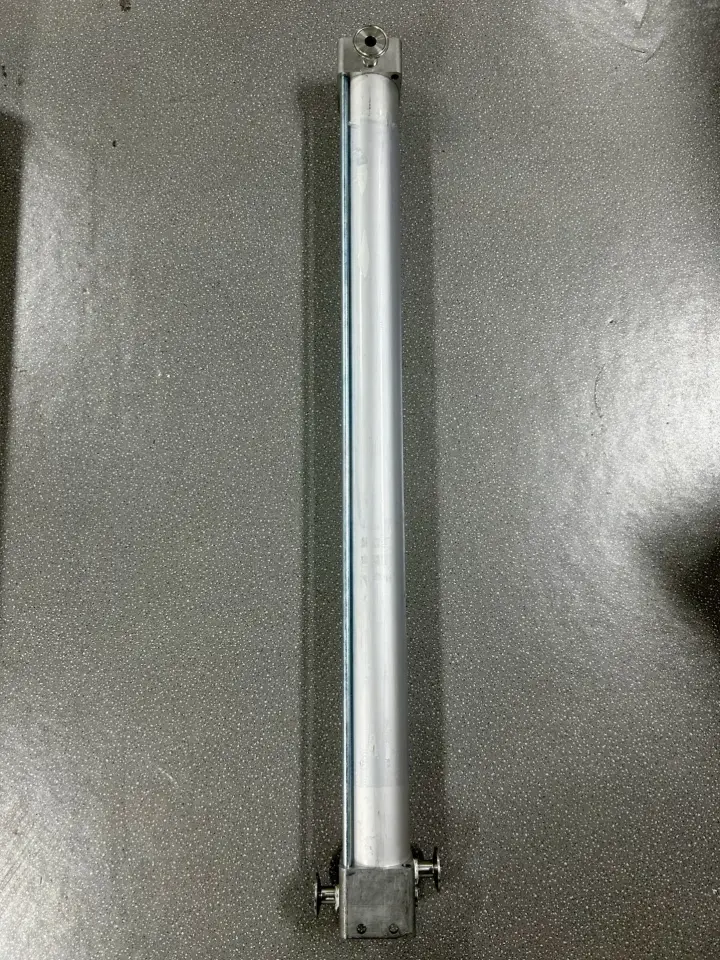
The high concentration exhaust gas condenses first, and most of the liquefiable components are directly harvested into liquid, which not only recovers the main amount with higher value, but also reduces the load of subsequent sections. The condensation temperature is determined by the saturated vapor pressure of the components, and there is no need to blindly lower it. The lower the temperature, the steeper the energy consumption. Condensation can also easily separate and liquefy the carried water vapor and some high boiling point solvents, reducing the burden on the backend. This paragraph is about "reducing first", which determines the recycling base of the entire system.
The medium concentration exhaust gas after condensation is used as a transition unit with a membrane, which is a key link in the combinatorial logic. The membrane selectively permeates organic vapors, concentrating medium concentration gases into low air volume, high concentration enriched streams without directly venting. The membrane has a small volume, no moving parts, and flexible start stop, making it suitable for being placed between condensation and adsorption as a "connecting link". Its front end is clean air intake - dust, droplets, and oil mist are not completely removed, and the membrane surface is quickly contaminated, so the lifespan of the membrane directly depends on the pre-treatment in the front end.
After two stages of condensation and membrane treatment, the remaining low concentration exhaust gas is treated with adsorption to ensure stable and compliant emission concentration. Adsorption here plays a "precision processing" role, with the intake load already lowered by the first two stages, resulting in slow saturation of the carbon layer, long regeneration cycle, and low consumable pressure. If the components have recycling value, the high concentration gas adsorbed and desorbed can be recycled back to the condensation or membrane section instead of being burned off in vain. Three segments are connected in series, with high concentration concentration, medium concentration concentration, and low concentration reaching the standard, forming a logical closed loop.
The more complete the combination, the better. It should be determined based on the measured concentration span: in situations where the concentration span is large and the reuse requirements are high, there are three levels of "condensation+membrane+adsorption"; Medium span can be divided into two stages: "condensation+membrane" or "membrane+adsorption"; The concentration is already low and stable, and single adsorption or spinning is more economical. Before selecting, measure the intake concentration and peak valley first. Without actual measurement data, all combinations are just guesses. Combination process investment is higher than single technology investment, but the return on investment and compliance stability can usually recoup the price difference during operation.
| Concentration range | Main process | Take on a role | Attention point |
|---|---|---|---|
| high concentration | condensation liquefaction | Recycling the main amount of liquid | Temperature is determined by saturation pressure and supercooled |
| Medium concentration | membrane separation | Concentration and concentration transition | Pre fog protection film lifespan |
| low concentration | adsorption | Precision processing meets the standard | The load has been lowered by the previous stage |
| Combination principle | Segmented series connection | Each excels in their respective areas | Based on the measured concentration span |
It's not a definitive conclusion, but in most combinations, placing the membrane in the medium concentration range is more efficient: the front condenser collects the main amount and reduces the load, and the membrane concentrates in the middle, which is more durable and cost-effective than letting the membrane directly consume high concentration air. Sites with inadequate front-end preprocessing are prone to premature aging of the membrane.
Higher investment but looking at the general ledger: increased reuse, improved stability in meeting standards, reduced pressure on consumables, and usually able to recoup the price difference during the operation period; In situations where the concentration span is small and the reuse requirements are not high, two levels are sufficient, and there is no need to force up to three levels.
Membrane pretreatment and saturation management of adsorption: The membrane is sensitive to dust and water, and the early stage filtration is lazy, leading to rapid membrane surface pollution; Although the adsorption section load is low, it will still saturate and penetrate if not checked for a long time. Both sections need to be monitored properly to ensure the stability of the combined system.
This article by LuoyangWohong PetrochemicalEquipment Co., Ltd. arranges that the company provides design, manufacturing and operation and maintenance services for condensation recovery, membrane separation recovery and complete solvent recovery devices for chemical and pharmaceutical enterprises. If you need process evaluation or scheme configuration, please contact and exchange.
Mr. Li 13526990215

Hotline





