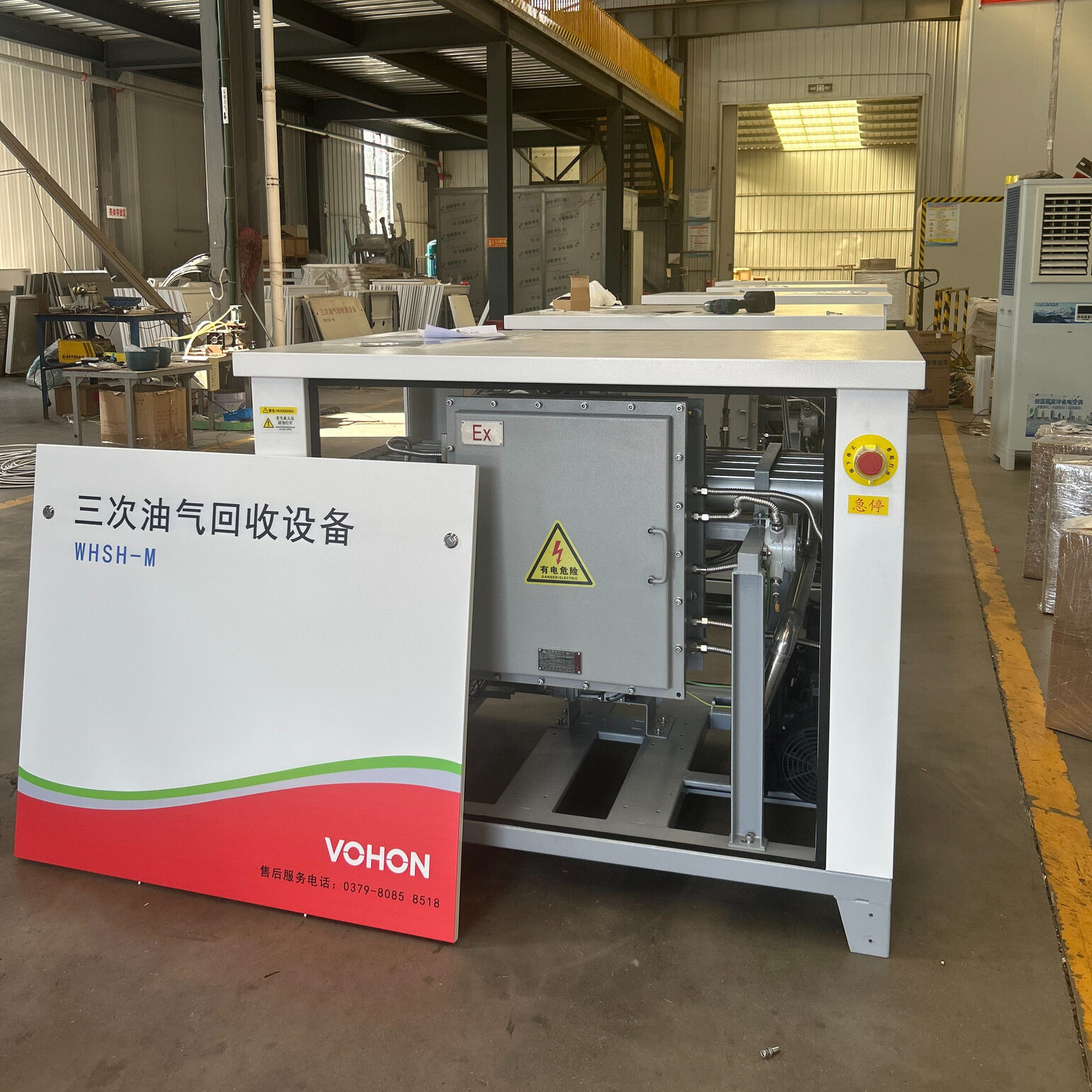
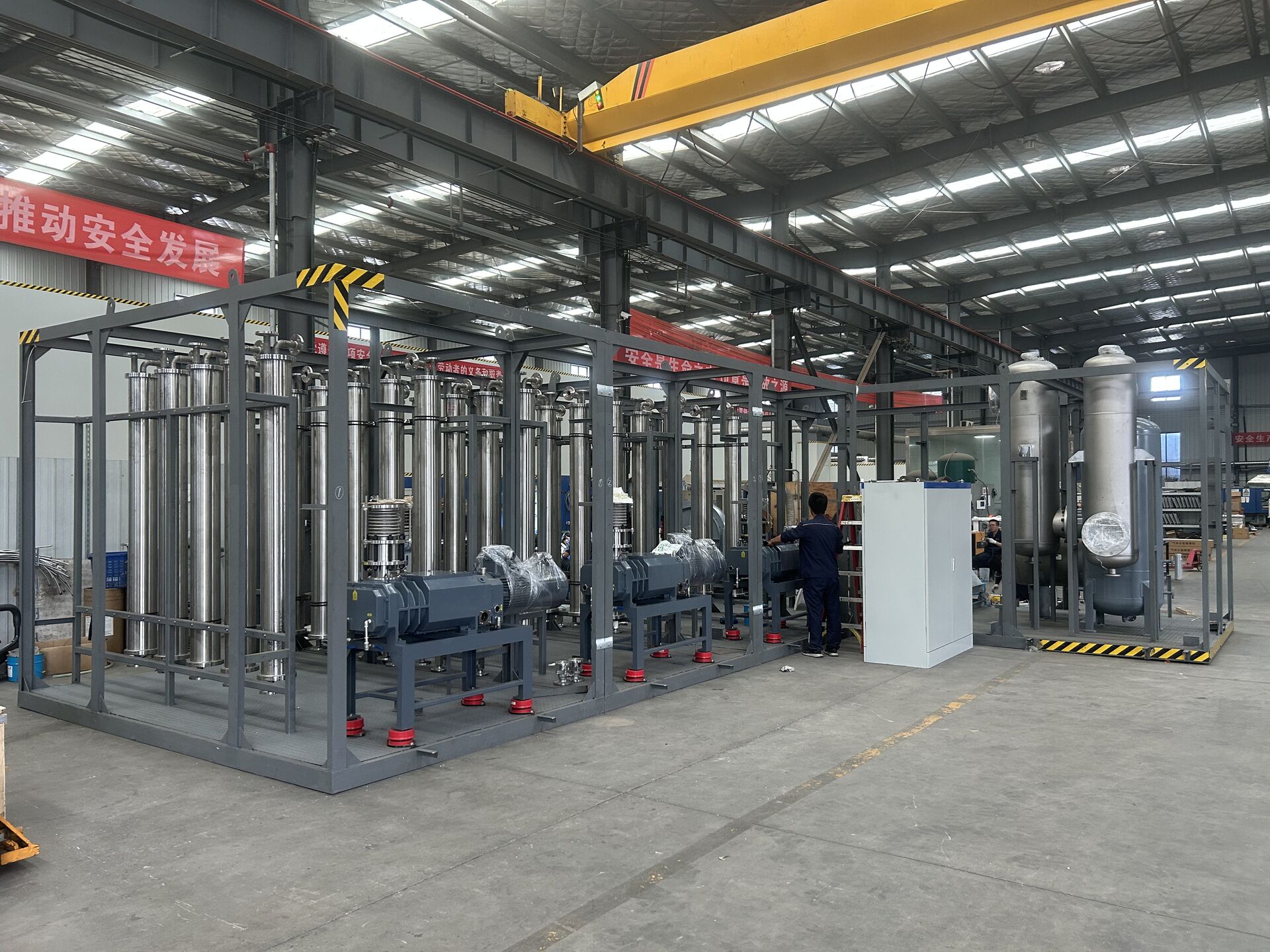
After the oil and gas recovery system is put into operation, scientific maintenance is the key to ensuring long-term stable operation. Many gas stations have reported a decrease in the effectiveness of equipment treatment after a period of operation, and the reasons for this are mostly related to inadequate maintenance. This article systematically outlines the maintenance points of oil and gas recovery equipment, which can be used as a reference for maintenance personnel in oil supply stations.
It is recommended that the gas station establish an inspection ledger and conduct routine checks on the system's operating status every week. Focus on checking the operating parameters of the control cabinet, pressure sensor values, compressor operating sound, and pipeline sealing conditions, and promptly handle any abnormalities found.
The inspection records should include information such as operating time, processing capacity, alarm history, etc., to facilitate comparative analysis of equipment performance trends and detect potential faults and hidden dangers in advance.
activated charcoalThe adsorption unit is the core consumable of the system, and its treatment efficiency will significantly decrease after adsorption saturation. It is recommended to replace the equipment regularly according to the recommended service life of the equipment supplier, and for oil stations with high oil and gas concentrations in the operating environment, the replacement interval should be appropriately shortened.
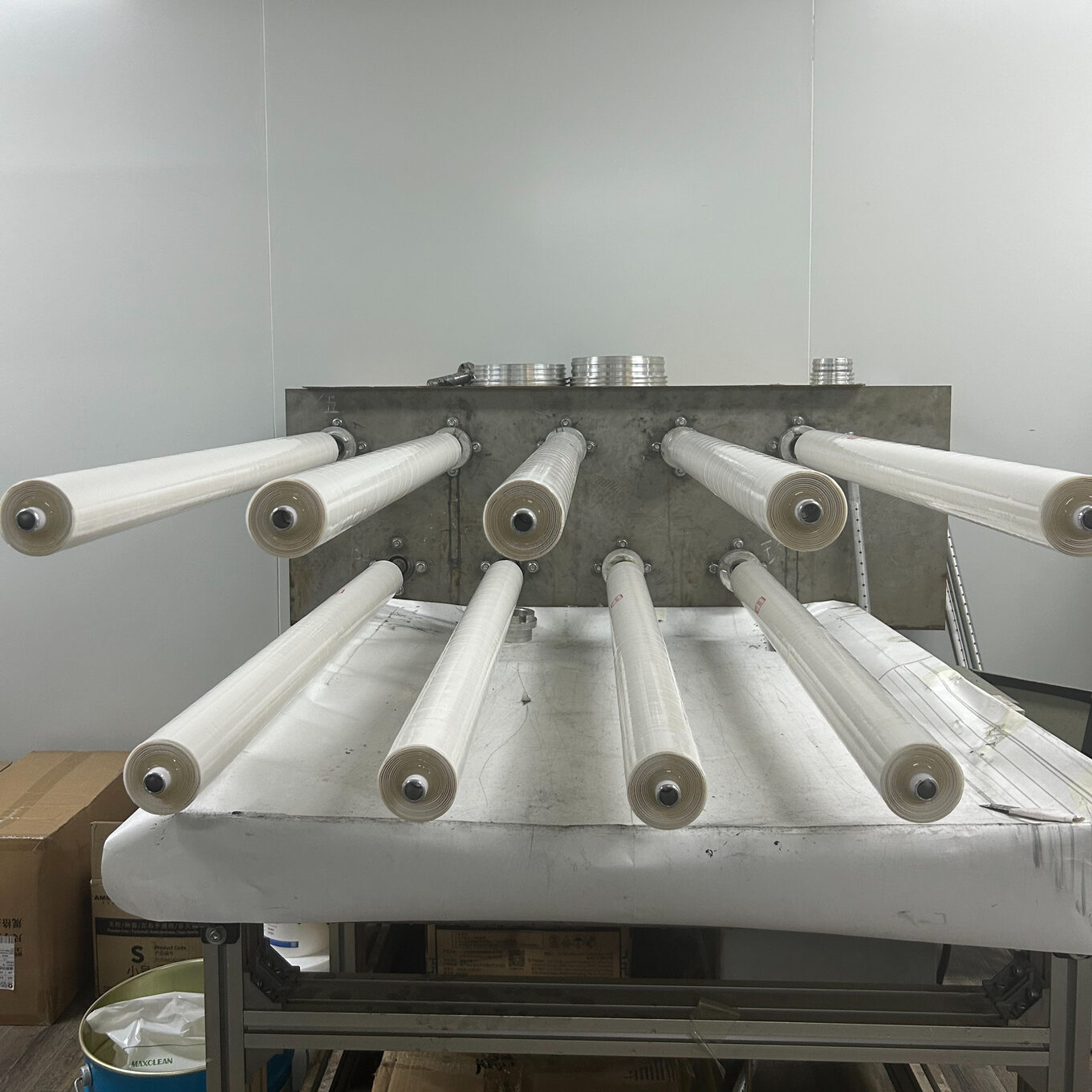
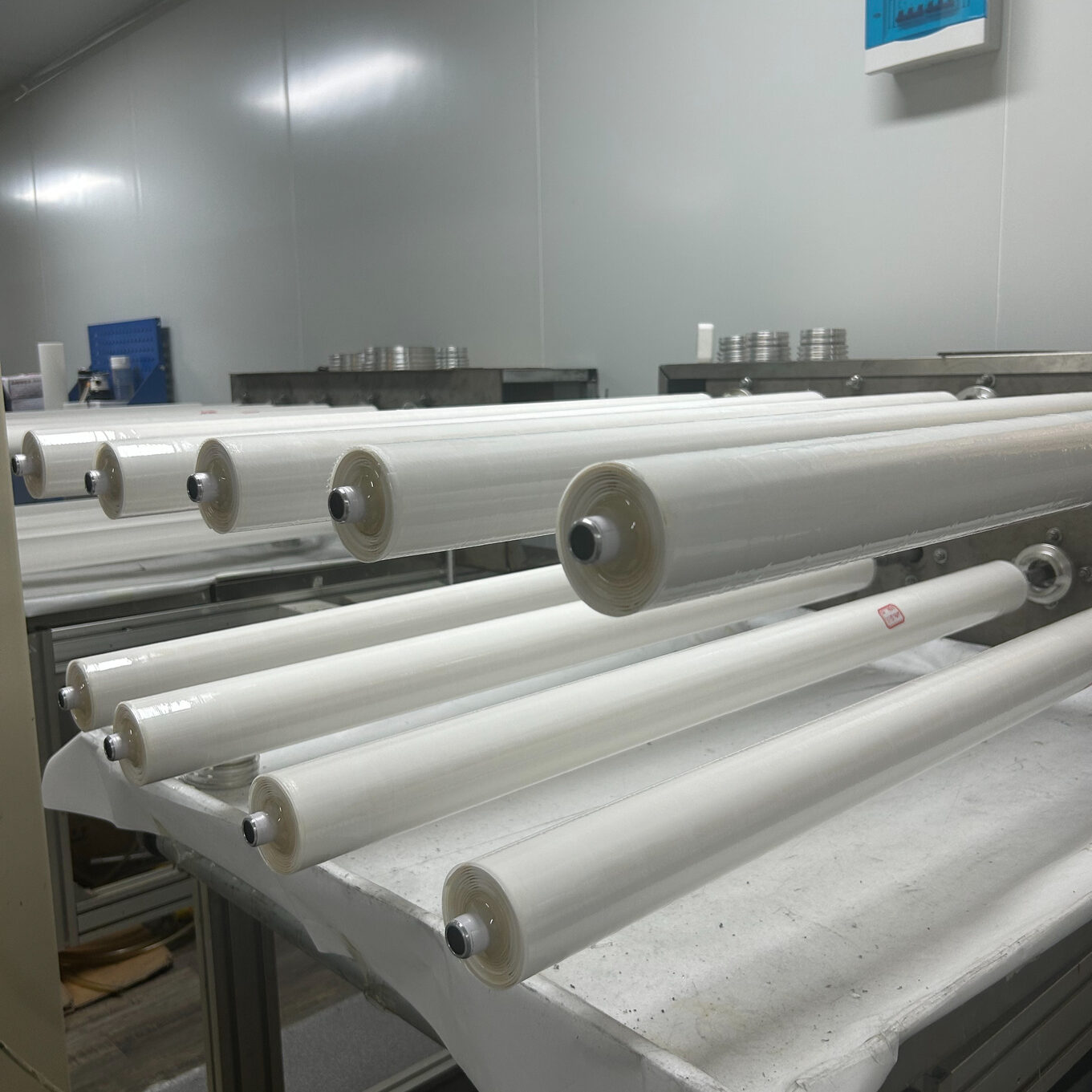
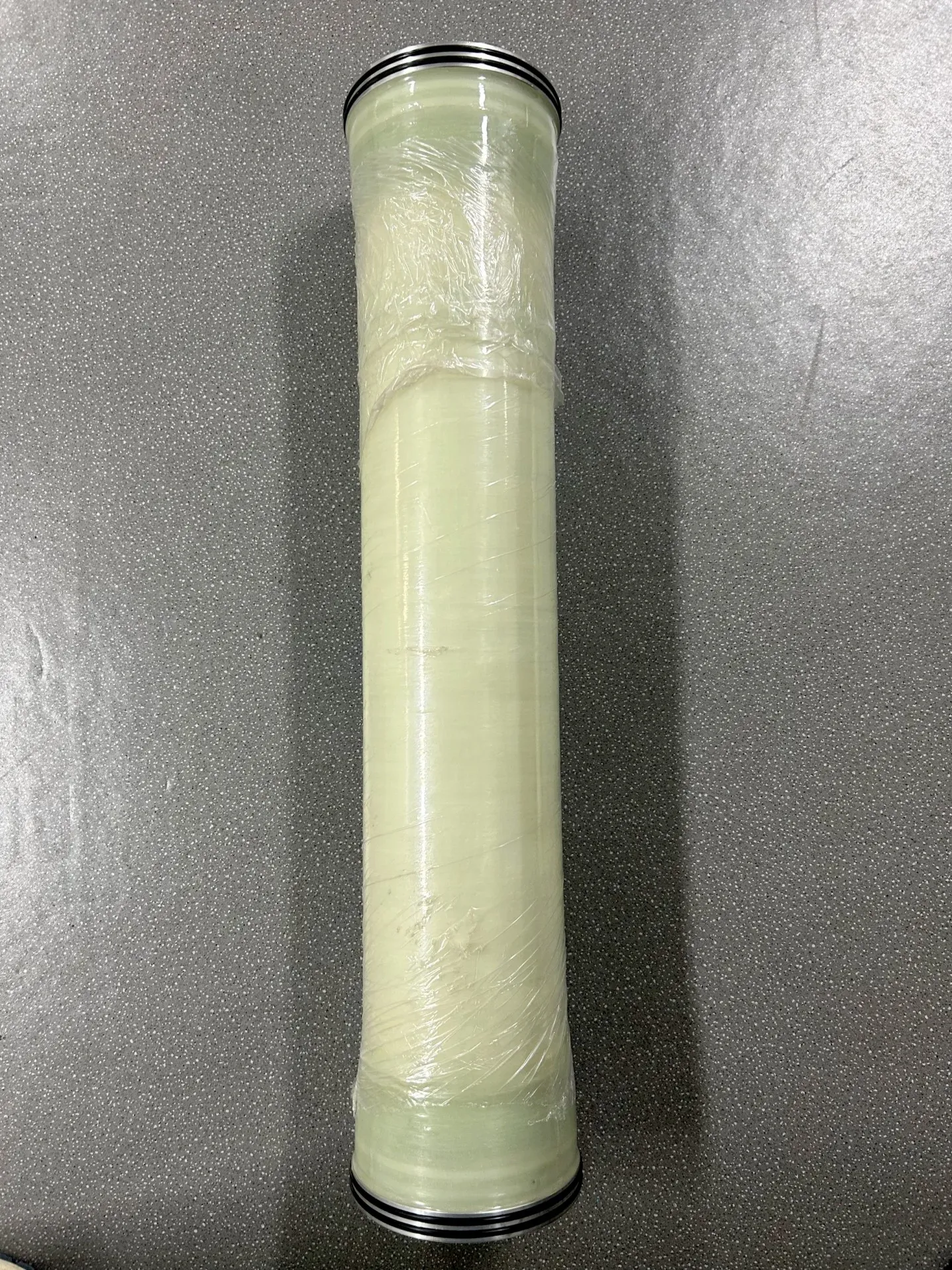
The separation performance of membrane separation components will gradually deteriorate over time. When the pressure difference of the membrane module significantly increases or the processing efficiency decreases, it should be checked and replaced in a timely manner to ensure that the system maintains efficient operation.
Frequent system start stop: often due to improper sensor parameter settings or pipeline blockages. Check the pressure sensor and gas collection pipeline. Decreased processing efficiency: Prioritize investigating activated carbon saturation and membrane component aging. Alarm abnormality: Check the alarm code of the control cabinet and troubleshoot the corresponding components according to the instruction manual.
When there is a malfunction that cannot be resolved by oneself, promptly contact the supplier for remote diagnosis. Most software failures can be resolved by remotely adjusting parameters, while hardware issues are arranged for on-site handling to minimize downtime.
The core idea of preventive maintenance is to regularly replace vulnerable parts, calibrate instruments, clean filters, and eliminate faults before they occur. Compared to passive maintenance, preventive maintenance can significantly reduce unplanned equipment downtime and ensure the normal operation of gas stations.
It is recommended to sign an annual maintenance agreement with the equipment supplier, with professional personnel conducting regular on-site maintenance, while enjoying priority response and spare parts discounts, to keep the equipment in the best condition at all times.
The level of equipment maintenance directly determines the service life and treatment effect of the oil and gas recovery system. Establishing a standardized maintenance system is a safeguard for the green and compliant operation of gas stations.
Mr. Li 13526990215

Hotline