
How to prevent freezing of oil and gas recovery equipment in winter? Direct answer: The key to winter antifreeze is to manage two types of risks - low temperature causes water vapor and heavy components in oil and gas to condense into liquid, which accumulates at low points in the pipeline and forms liquid resistance and freezing blockage; The temperature drops below freezing point, causing the condensate to freeze and crack pipelines, and valves and instruments to get stuck. The response should be divided into two lines: increasing the pumping cycle of the collection tank, including low point condensate discharge in the weekly inspection, adding insulation and heat tracing to the return oil and outdoor pipeline sections, and confirming key valves and instruments before winter. Moving the summer maintenance cycle directly to winter may cause problems, and adjusting according to the trend of temperature and liquid level is the correct solution.
The impact of low temperature on oil and gas recovery systems is multifaceted. The moisture in the intake forms frost on the surface of the low-temperature heat exchanger, blocking the airflow channel and causing a cliff like decrease in heat transfer efficiency; The heavy components in oil and gas condense more into liquids at low temperatures, and the accumulation rate in the return gas pipeline and collection tank is significantly faster than in other seasons; The outdoor pipe section and valve flange may freeze below zero degrees, which may cause pipeline expansion and valve jamming. The common result of these changes is a decrease in recycling efficiency, an increase in energy consumption, and in severe cases, shutdowns or leaks.
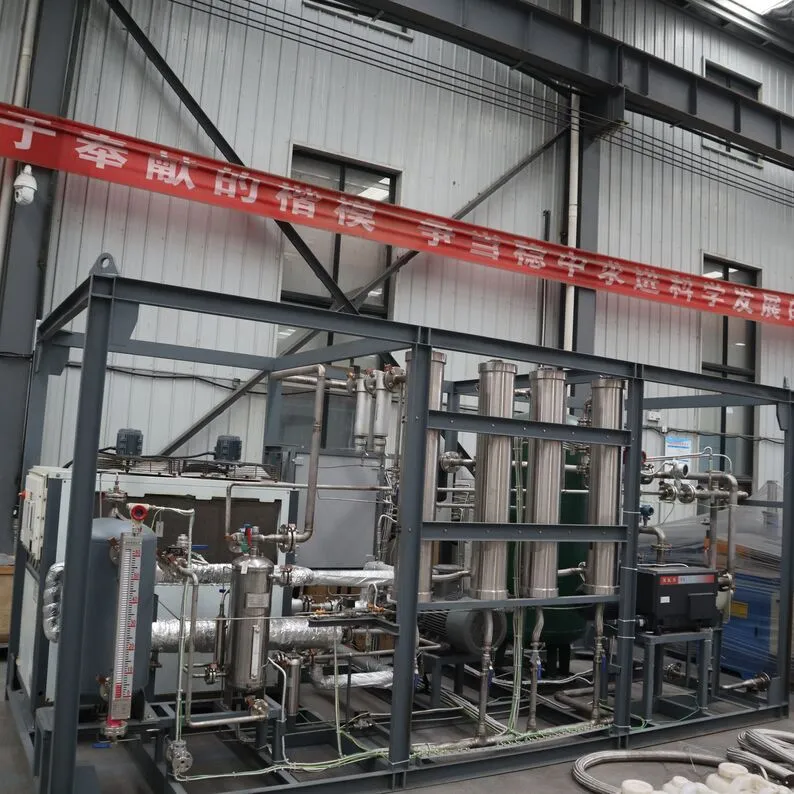
The accumulation of condensate in the return gas pipeline is called liquid resistance, and the accumulation in the collection tank is called liquid level rise, both of which drag down the recovery efficiency. The typical manifestations in winter are low gas-liquid ratio, muffled pump working sound, and deviation in detection data. In terms of maintenance, the pumping cycle of the collection tank should be increased, and the liquid level should be checked daily. If the liquid level rises quickly, the pumping should be increased instead of a fixed date; Low point condensate drainage in the return gas pipeline is included in weekly operations; Pay attention to the sound changes of the pump operation after the peak of unloading and refueling. Stations with severe condensation have a higher frequency of winter testing than specified, and data is used to confirm compliance with low-temperature conditions.
Thermal insulation and heat tracing are the physical basis for antifreeze: electric or steam heat tracing is wrapped around outdoor pipe sections, exposed sections of return oil pipelines, and drain valves to maintain the medium temperature above the condensation point; It is advisable to maintain the heat tracing temperature at five to ten degrees above the condensation point of the medium. If it is too high, it will waste energy, and if it is too low, it will lose its effectiveness. Before winter, power on the heat tracing system for trial operation, confirm the integrity of the insulation layer, and ensure smooth drainage. These three tasks should be completed before the first cold.
Valves and instruments are high-risk areas for winter malfunctions: key valves should be opened and closed flexibly before winter, and corroded valves that have been frozen for a summer are most likely to get stuck in winter; Ensure proper heat tracing and antifreeze for pressure gauges, pressure pipes, and liquid level gauges; Seals become hard and brittle at low temperatures, and the sealing surfaces of flanges and valves are prone to slight leaks. Confirm the status before winter, conduct a re examination before the cold wave, and conduct a comprehensive re examination after spring thawing. Thoroughly clean the collection tank, discharge the pipeline at low points, maintain the valves, and concentrate on removing the accumulated liquid and sediment in winter.
| Check item | Pre Winter Actions | Winter operation | Spring review |
|---|---|---|---|
| Heat tracing insulation | Power on trial operation and repair of damages | Maintain above freezing point | Power off maintenance |
| Low point drainage | Confirm each action one by one | Weekly emissions | Low point discharge of clear liquid |
| Key valves | Flexibility of opening and closing | Re examination before cold wave | Maintenance and lubrication |
| Instrument pressure pipe | Confirmation of heat tracing | Anti freezing structure | Calibration |
| Liquid collecting tank | Tank cleaning | Daily patrol encrypted oil pumping | Thorough cleanup |
Set according to the rate of liquid level rise, without adhering to a fixed date; The rapid rise in winter is encrypted, and the detection of stations with severe condensation is also encrypted. Speaking with data is more reliable than a fixed cycle.
No, maintaining it at five to ten degrees above the condensation point of the medium is sufficient; Excessive waste of energy and insufficient antifreeze, adjust to the most stable range according to this.
The accumulated liquid and sediment throughout the winter are concentrated and exposed after thawing, causing ice blockage, water blockage, and valve corrosion. A thorough re examination is necessary to eliminate the hidden danger.
This article by LuoyangWohong PetrochemicalEquipment Co., Ltd. arranges that the company provides design, manufacturing and operation and maintenance services for condensation recovery, membrane separation recovery and complete solvent recovery devices for chemical and pharmaceutical enterprises. If you need process evaluation or scheme configuration, please contact and exchange.
Mr. Li 13526990215

Hotline





