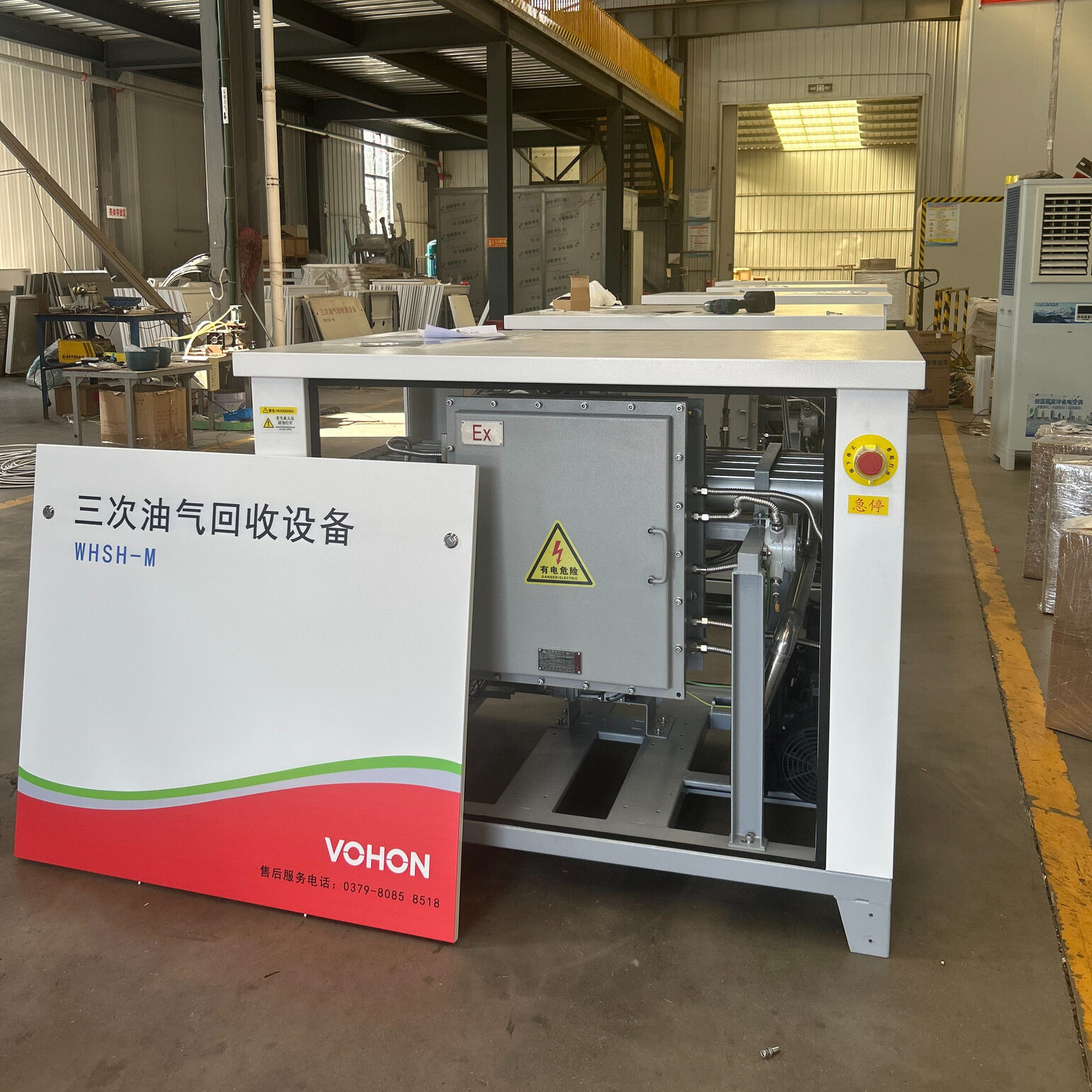
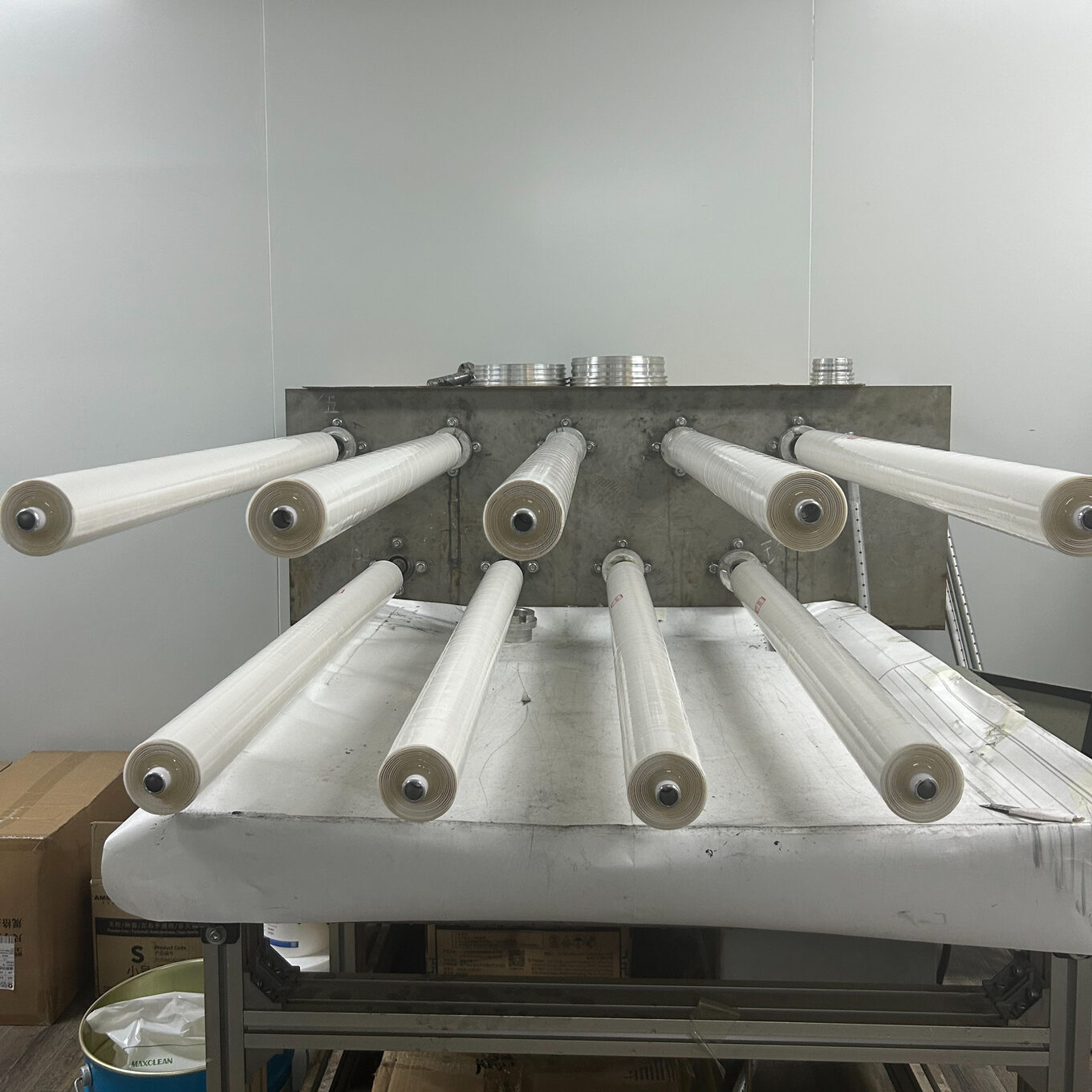
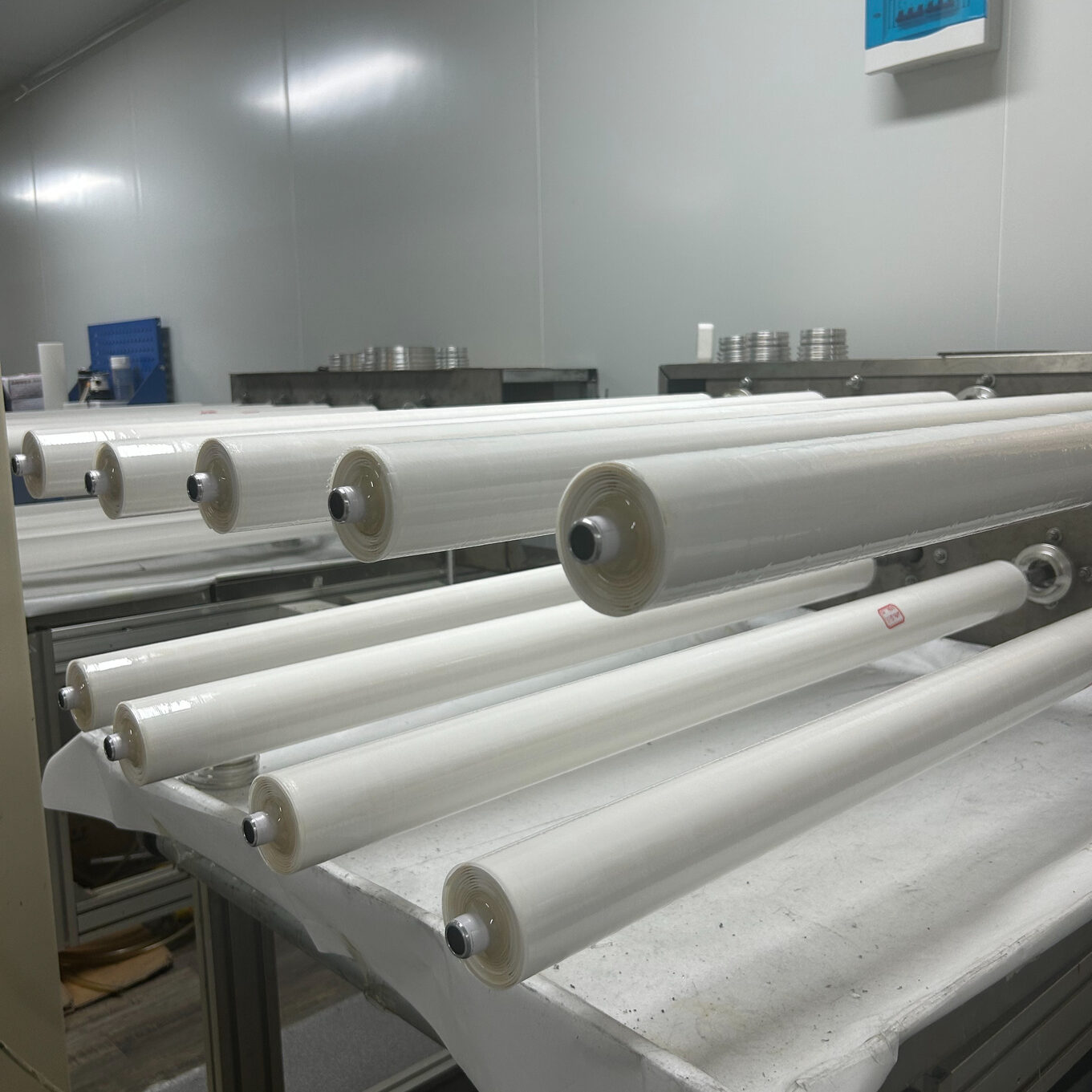
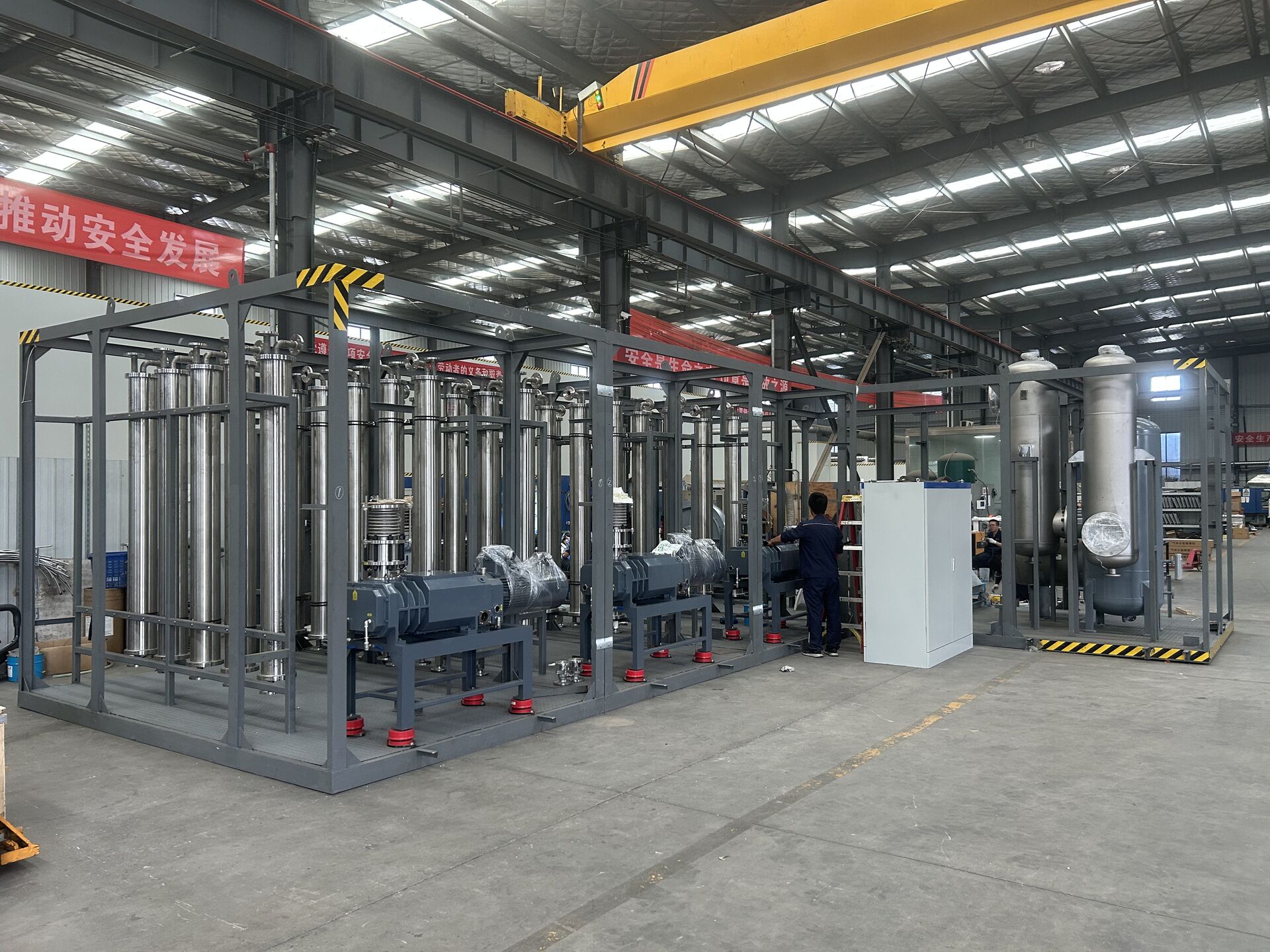
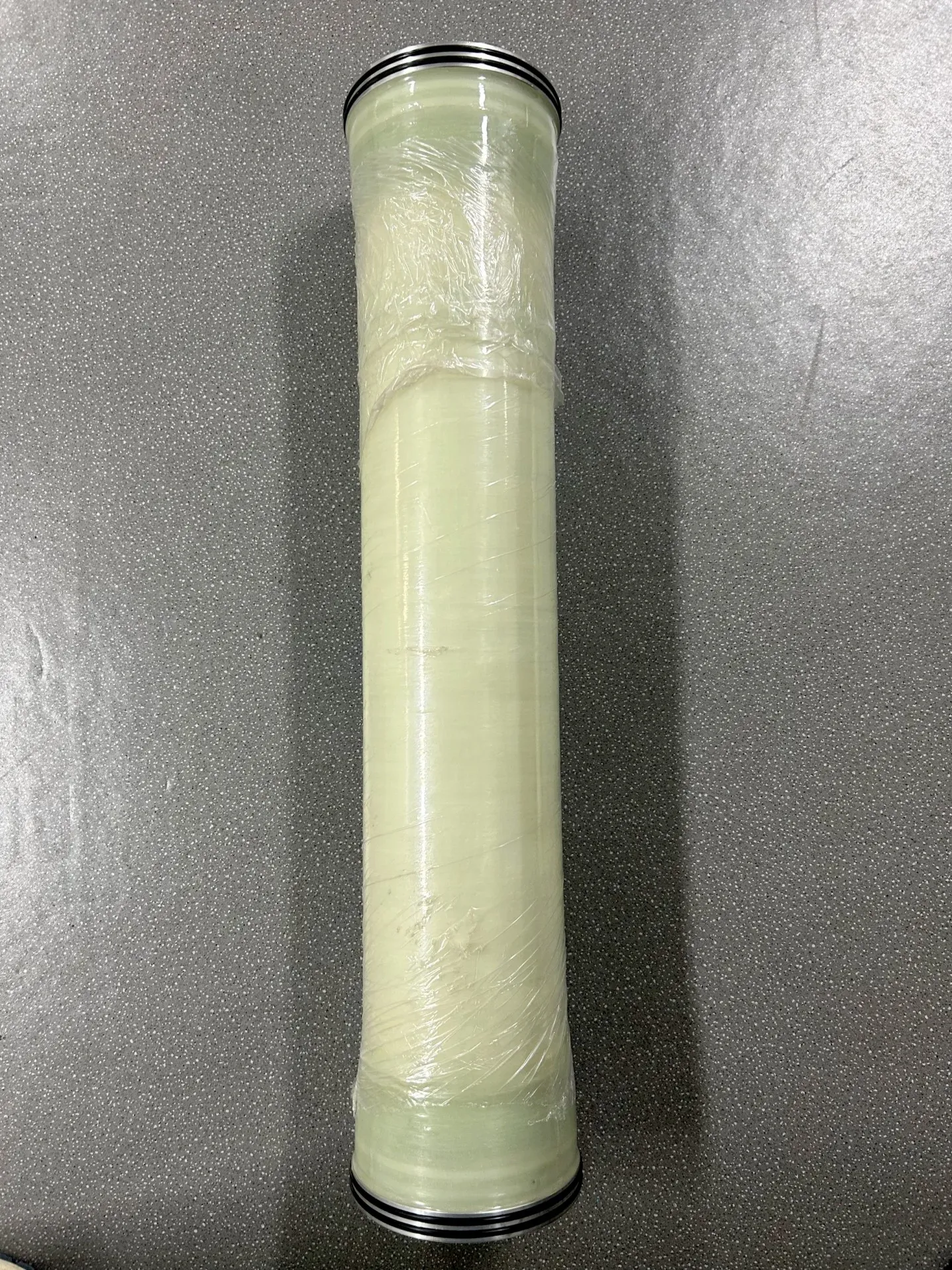
Hexane is a low boiling point alkane solvent, volatile fast at room temperature, vapor is heavier than air, in vegetable oil leaching, rubber and adhesives, precision cleaning and other industries. It is insoluble in water and has a boiling point of about 69 degrees Celsius, which basically determines its recovery route: condensation is the main method, and there is no need to worry about the separation problem caused by water solubility, but special attention should be paid to the cold capacity configuration and vapor deposition characteristics of the low temperature section. For most of the use of n-hexane in the workshop, the leaching or cleaning equipment of the gas phase outlet centralized collection after the condensation recovery unit, is the most direct and feasible route.
Common sources include extractors, evaporators and stripper recovery sections in vegetable oil leaching workshops, sol tanks and coater exhaust air in rubber and adhesive industries, ultrasonic cleaning tanks and drying sections for precision cleaning, and unorganized volatilization in auxiliary links such as sampling, filtration and waste residue treatment.
It is characterized by low boiling point, volatile, vapor density greater than air, easy to accumulate in low-lying; no water, the recovery liquid is basically pure hexane, high reuse value. There are not many occasions with water, but once the air intake brings water, the low temperature section will be frosted, so the pretreatment cannot be saved.
The n-hexane vapor is heavier than air, so it should be collected from the upper part of the equipment or gas phase space as much as possible, and the pipeline should leave a slope to avoid liquid accumulation; low places such as pits and trenches are easy to accumulate, and ventilation needs to be considered separately. Exhaust containing dust or oil mist, such as the meal in the leaching workshop, must be filtered before entering the condensation section, otherwise the heat exchange surface will soon be pasted.
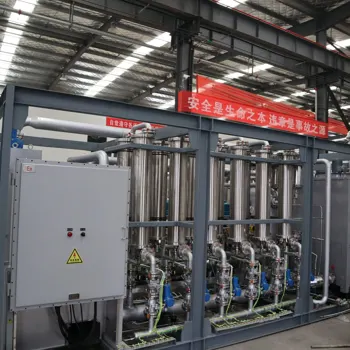
One more detail should be paid attention to in the layout of the pipeline: the vapor pressure of n-hexane is high. If the end of the pipeline is at a lower temperature for a long time, condensed liquid will be formed in the pipeline, and more liquid will be carried to the next section with the airflow. The setting for the low drain is not optional.
It is determined item by item according to the link to avoid only staring at the parameter of condensation temperature.
| Segment | Configuration considerations | Description |
|---|---|---|
| Pre-cooling | Heat exchange with air intake with recovered cold air | Reduce the cooling load, reduce the temperature rise of the condensation section |
| Condensation temperature level | Determined by boiling point and target recovery | Common practice is staged condensation, lower end temperature |
| Refrigeration method | Select by cooling demand | Direct evaporation can be used for small cold quantity, and cascade or cold load should be considered for large cold quantity. |
| Anti-frost | Low risk of frosting in anhydrous systems | But when the intake water to deal with separately |
| Recycled liquid collection | Close the collection tank and control the liquid level | Avoid too high liquid level to flow back into the condensation section |
| Uncondensable gas outlet | Retention concentration monitoring and subsequent processing interface | It is convenient for subsequent installation of adsorption or standard treatment. |
The purity of n-hexane recovery liquid is relatively high, and most leaching workshops can be reused in the leaching section after simple water removal. Before reuse, it is necessary to confirm whether the water content, acid value and other indicators meet the process requirements, and if necessary, add distillation links. The capacity of the storage tank of the reuse channel should be matched according to the daily recovery amount. If the capacity is too small, the recovery liquid will be forced to be emptied because there is no place to store it.
Adsorption has an advantage on occasions with low concentration and atmospheric volume, but n-hexane has a low boiling point and still needs to be condensed and liquefied after desorption. In actual engineering, the two are often combined: condensation is pre-recovered in the front section, and adsorption is checked in the back section.
depending on the required recovery rate. The lower the temperature, the lower the vapor pressure, the higher the recovery rate, but the greater the refrigeration energy consumption. The common practice is to first use the pre-cooling section to condense most of the solvent, and then use the lower temperature to recover the rest, taking into account the recovery rate and energy consumption.
In most cases, the premise is that the water content, acid value and other indicators meet the process requirements. Before reuse, it is recommended to do a small sample test to confirm that the product quality is not affected before batch reuse.
This article by LuoyangWohong PetrochemicalEquipment Co., Ltd. arranges that the company provides design, manufacturing and operation and maintenance services for condensation recovery, membrane separation recovery and complete solvent recovery devices for chemical and pharmaceutical enterprises. If you need process evaluation or scheme configuration, please contact and exchange.
Mr. Li 13526990215

Hotline