
Ethyl acetate is a large amount of ester solvent in coating, printing, adhesive and other industries: strong solubility, moderate volatile speed, it is suitable for ink and adhesive solvent. The exhaust of these processes is characterized by large gas volume, medium concentration and continuous operation. Direct emission is not only a waste of solvent but also a continuous volatile point. The common practice is to collect the exhaust air of coating or printing equipment, and connect it to the condensation recovery unit after pretreatment.
The most common is gravure printing and flexographic printing ink solvents; coating process used to prepare coating liquid; adhesive deployment and coating links are also widely used. The exhaust of these processes is concentrated in the drying section of the equipment, that is, the section where the solvent is baked out after coating or printing.
The exhaust concentration of the drying section is directly related to the inlet air temperature, solvent ratio and coating amount. After the same equipment is changed for products, the exhaust parameters often change obviously, and the temperature level of the recovery section should be adjusted accordingly.
Ethyl acetate has a low boiling point and high vapor pressure at room temperature, which means that it can be converted from gas phase to liquid phase with no deep cold. Condensation is a common recovery method. At the same time, it has a certain degree of water solubility. After the exhaust water or water film is used for dust removal, water will be entrained in the recovery liquid.
This is very critical in the reuse process: ester solvents will slowly hydrolyze to generate acetic acid and ethanol when they meet water, and the acid value of the recovered solution will rise when it is stored for a long time or when the water content is too high. The water content control and storage period of the recovered liquid are the areas that need extra attention in the recovery of ester solvents.
The exhaust of the drying box of the printing machine is usually already organized, the air volume and position are fixed, and it is more convenient to directly receive the collecting pipe. The exhaust points of the coating line are more, and the temperature of each section is different. It is usually collected by drying section and then remitted to the main pipe.
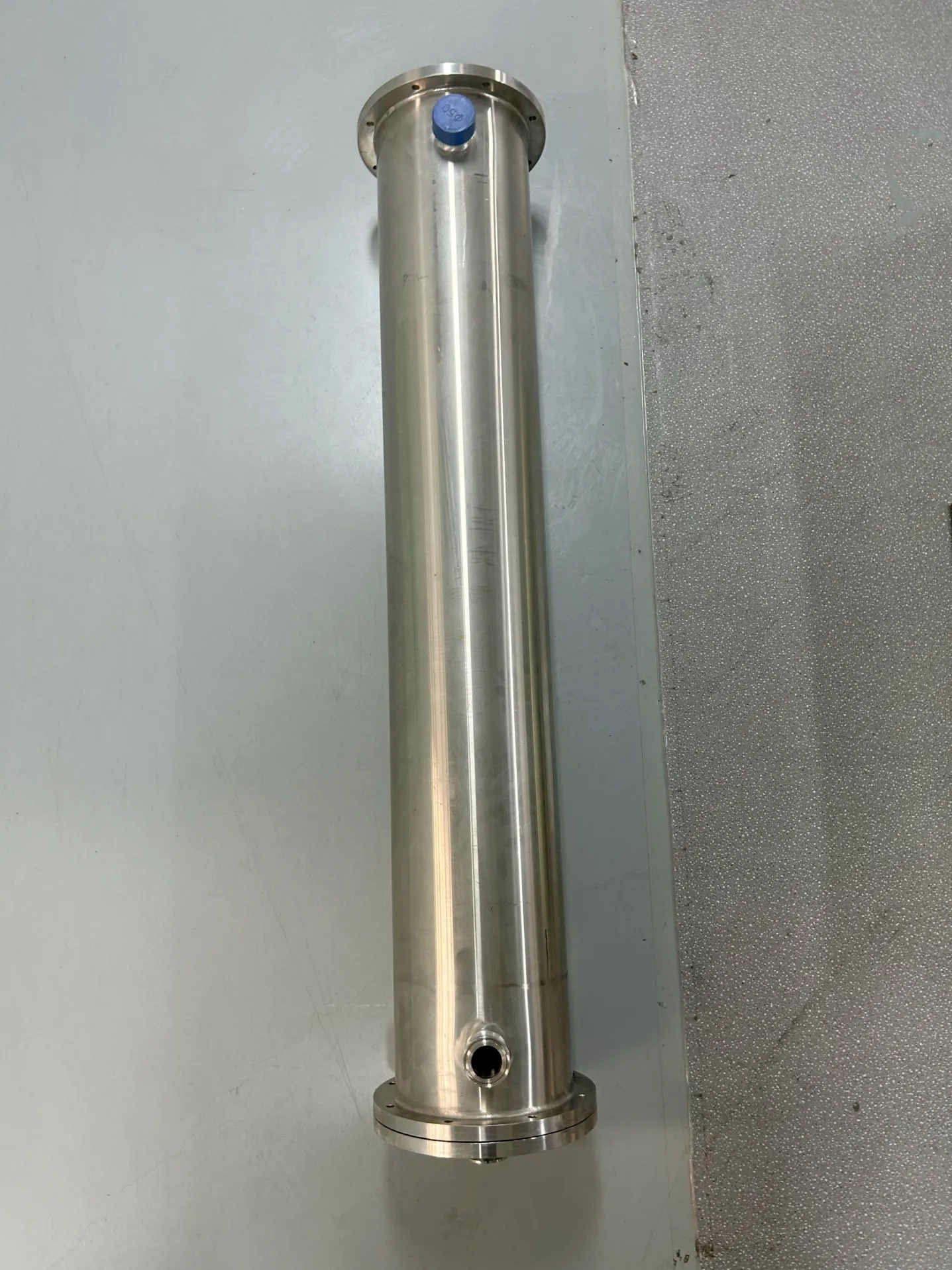
It should be reminded that before multiple drying sections are combined and collected, it is necessary to see whether the exhaust concentration of each section is close. The sections with large concentration difference will be diluted after merging, and the efficiency of the recovery section will decrease. It is better to set up branch pipes and share the rear section.
The exhaust gas of coating and printing is large and medium in concentration, and the condensation section is generally designed according to classification, so that different temperature positions each bear part of the load.
| Segment | Configuration considerations | Description |
|---|---|---|
| Pre-cooling | Heat exchange with recovered cold air to recover sensible heat | Reduce the cooling load and reduce the liquid accumulation in the pipeline |
| Condensation section | According to the exhaust gas concentration and water content, set the temperature level | The process with large gas volume should be graded to bear the load. |
| Anti-frost | Low temperature section according to the water condition design defrosting | Alternate operation or set defrosting link when water content is too high |
| Dehydration | The recovered liquid needs to be treated when it contains water. | Select water distribution or dehydration unit depending on reuse requirements |
| Material | Compatibility with esters and acidic components | Avoid dissolution and corrosion caused by long-term contact |
| Storage | Closed, protected from light, controlled storage period | Slow down the increase of acid value caused by hydrolysis |
The recovered ethyl acetate usually contains a certain amount of water, and the dehydration or water separation treatment is selected according to the process requirements before reuse. The storage link should pay attention to airtight and low temperature, shorten the storage period, and avoid the continuous rise of acid value.
For enterprises with high requirements for printing ink reuse, the color and impurities of the recycled liquid should also be paid attention. The resin and pigment fine powder entrained in the exhaust gas will enter the condensate, and it is easier to establish a regular detection mechanism than to rework if there is a problem.
The boiling point is low, the vapor pressure at normal temperature is high, and most of the solvents can be converted into liquid phase without deep cooling. For coating and printing exhaust with large gas volume and medium concentration, the input and output of condensation recovery are more appropriate.
Choose the treatment method according to the reuse requirements: if the requirements are not strict, it can be used in low-requirement occasions after simple water distribution; Strict requirements need to be dehydrated or rectified to the specified index before reuse.
Long-term storage is not recommended. Ester solvents will slowly hydrolyze when exposed to water. High water content or long storage time will increase the acid value. It is advisable to arrange reuse according to the production rhythm and keep sealed storage.
This article by LuoyangWohong PetrochemicalEquipment Co., Ltd. arranges that the company provides design, manufacturing and operation and maintenance services for condensation recovery, membrane separation recovery and complete solvent recovery devices for chemical and pharmaceutical enterprises. If you need process evaluation or scheme configuration, please contact and exchange.
Mr. Li 13526990215

Hotline





