
After delivery of the solvent recovery unit, the quality of operation determines the recovery effect and equipment life. The practical problems encountered by many enterprises are: people who understand the process are busy with production, people who understand the equipment are tightly compiled, and the equipment is in a state of "someone watching and nobody taking care of it. Running hosting and agency operation and maintenance services is to let professional teams take over the daily operation and maintenance of the device. The enterprise pays according to the results, and the state of the device is covered by someone.
Services are combined according to levels: basic hosting covers daily inspection, parameter adjustment, recording reports and routine maintenance, and the service party is responsible for the daily operation of the device; Advanced hosting includes planned maintenance, spare parts management, fault handling and performance guarantee, and the service party is responsible for the availability rate and recovery index of the device. Special services are superimposed on demand, such as heat exchange surface cleaning, control system upgrade and operator training. The service interface is clearly drawn in the contract: the enterprise is responsible for public works guarantee and compliance matters, and the service provider is responsible for the device body, with no overlap or blank space on both sides.
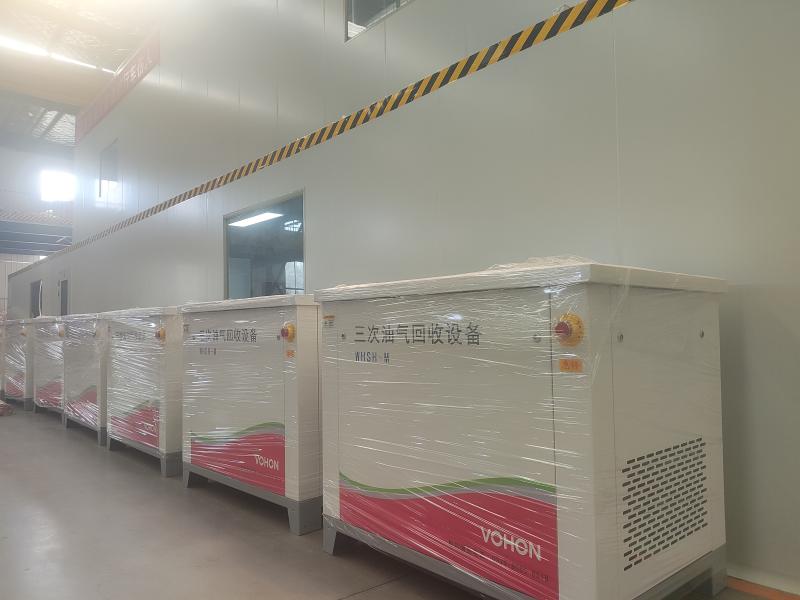
The boundaries of the trusteeship shall be determined by list: the handover list shall count the equipment, data, spare parts and special tools item by item, and both parties shall sign for confirmation; The responsibility matrix places the responsibilities of inspection, maintenance, overhaul, compliance and safety under the names of both parties; The change procedure stipulates the process and confirmation method of working condition adjustment and transformation application. The interface is clear, but there is less wrangling-most disputes in the hosting service are rooted in the fact that the interface at the starting point is not detailed, and the extra time spent in this step is saved twice. The interface documents shall be revised synchronously with the equipment modification and personnel change, and the version management method shall be consistent with the operation regulations.
| Service Module | Content | Assessment method |
|---|---|---|
| Daily operations | Inspection Adjustment Record Report | Record integrity rate |
| Regular maintenance | Periodicity as per procedure | Maintenance on schedule rate |
| Fault handling | Response Diagnostic Fix | Response and Repair Timelines |
| Spare parts management | Reserve Declaration Replacement | Inventory and Replacement Records |
| Performance guarantee | Availability Recovery Indicator | Monthly operating data |
| Specialized services | Cleaning Upgrade Training | Acceptance by Project |
There are three types of assessment indicators: availability indicators (device operational rate, fault response and repair time limit), effect indicators (recovery rate, emission indicators up to standard), and management indicators (record integrity rate, maintenance schedule rate). The assessment is reported on a monthly basis, reconciled quarterly, and linked to the service fee. The data comes from the operation record and online monitoring of the device, and both parties jointly confirm the caliber to avoid saying each other afterwards.
Hosting does not mean letting go: the enterprise retains the right to know and make decisions about major overhauls, renovations and costs, the service provider makes the status transparent on a monthly basis, and trust on both sides is built on the data. The renewal evaluation at the end of the escrow period is also based on data: the annual availability rate, failure and maintenance records are the answer sheet, and the adjustment of the renewal conditions and service scope is discussed in this answer sheet.
Keep at least one counterpart: responsible for public works coordination, safety compliance matters and daily interface with the service provider. Completely unconnected hosting will slow down exception handling and compliance responsibilities, which is not recommended.
Yes, but the evaluation goes first: the takeover evaluation of the old device lists the remaining defects and the items that must be changed, and repairs are made before hosting. Otherwise, the service provider and the enterprise will be entangled in the "old accounts" and the effect of hosting will not be shown.
Common is the basic service fee plus assessment float plus actual report of spare parts: the basic fee covers inspection and maintenance and on-site labor, the float is linked to the assessment index, the spare parts overhaul is settled according to the actual occurrence, the three pieces are separated and the accounts are clear.
This article by LuoyangWohong PetrochemicalEquipment Co., Ltd. arranges that the company provides design, manufacturing and operation and maintenance services for condensation recovery, membrane separation recovery and complete solvent recovery devices for chemical and pharmaceutical enterprises. If you need process evaluation or scheme configuration, please contact and exchange.
Mr. Li 13526990215

Hotline





