
When an enterprise expands production, adjusts production lines or relocates the plant, it is common for the original solvent recovery device to follow the move. The relocation of the device is not as simple as lifting the equipment and transporting it to the past: the disassembly sequence, component protection, reassembly accuracy and parameter restoration are all emphasized in every link. The more front-facing question is-is this set of equipment worth moving? Which parts can still be used when it is moved, and which ones can simply be replaced when it is moved? The service of relocation, relocation and evaluation of the old is to answer these two questions: settle accounts first, then do it.
The evaluation of the old is done before the relocation decision: the state of the whole machine of the device, the life of key components, the matching degree of nameplate parameters and the working conditions of the new plant are checked item by item. The evaluation gives three types of conclusions: the relocation of the whole machine is good-the device is in good condition, the new working conditions are matched, and the overall relocation is the most economical; Part of the old-the tank body and pipeline are old, the core components such as compressor and control are updated while being moved, and the cost is compared with the replacement of the whole machine. It is not recommended to move-the life of the device is close and the working conditions are not matched. The assessment report puts out the costs and risks of each category and makes a basis for decision-making.
The most misjudged part of the evaluation is the control and electrical part: the adaptation work of the old control system in the new plant is often underestimated. This item is listed separately in the assessment report.
The relocation shall be organized according to the "first calculation, then disassembly, while dismantling and marking": the disassembly scheme shall be prepared before disassembly, and the disassembly sequence, fracture position and protection measures shall be clearly defined; The disassembly process shall be numbered and marked one by one, the pipeline fracture shall be blocked, and the electrical wiring shall be photographed and kept on file. The transportation shall be packaged according to the weight and sensitivity of the components, and the components such as heat exchange core and instruments that are afraid of shock and moisture shall be protected, the pipeline route is rearranged according to the foundation of the new plant, not copied as it is.
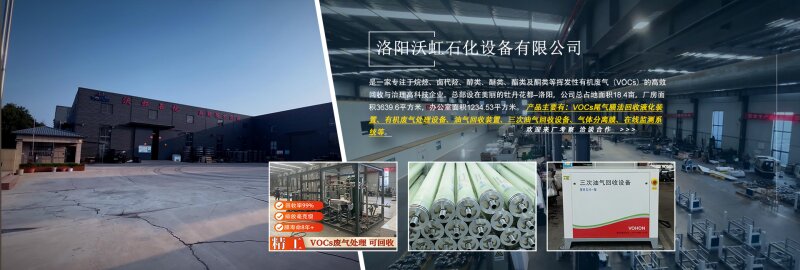
Disassembling and reassembling are done by the original factory or a team familiar with the model, and the efficiency is not even a bit poor-each device has its own "secret door", and familiar people know which wire is added later and which valve is easy to get stuck.
| Service Module | Content | Deliverable |
|---|---|---|
| old assessment | State and working condition matching verification | Assessment Report and Recommendations |
| Dismantling Scheme | Sequential Fracture and Protection | Disassembly Scheme Document |
| Disassembly identification | Number Plugging File | Identification List and Photos |
| Transportation protection | Graded packaging Shockproof and moisture-proof | Transport handover record |
| Re-assembly and debugging | Restoration of setting-out reinstallation parameters | parameter comparison table |
| Commissioning Acceptance | Complete cycle with load | Commissioning Report |
The reassembled device shall be debugged according to the newly put-into-operation standard: electrical insulation and wiring check, pipeline airtight pressure test, refrigerant and lubricating oil status confirmation, and control parameters item by item review-parameter restoration after relocation is the focus of debugging, and parameter records before disassembly will come in handy at this time. After the commissioning is qualified, the test run with load shall be carried out for a complete cycle, and the key data shall be compared with those before the relocation to confirm that the state of the device is not damaged during the relocation.
The acceptance deliverables include: disassembly and reassembly records, parameter restoration comparison table, replacement parts list and trial operation report, and the health baseline of the device in the new plant is established.
Look at the evaluation results: long life of the tank and structural parts, high value of the old, compressor, control of such core parts according to the remaining life and renewal costs. In most cases, the scheme of "the shell is old and the core parts are updated while moving" is more cost-effective than the relocation of the whole machine and the overall replacement.
The time window for the commissioning of the new plant equipment and the outage of the old plant should be arranged in advance: assessment and spare parts should be done first, and the empty window period for relocation should be compressed.
The relocation of the standardized organization will not: disassembly and protection in place, reinstallation accuracy guarantee, parameter item by item recovery, and the performance will be the same as before the relocation. Most of the performance degradation lies in the brutal disassembly and assembly of non-professional teams, which is also the money that is not recommended to be saved in the selection of relocation teams.
This article by LuoyangWohong PetrochemicalEquipment Co., Ltd. arranges that the company provides design, manufacturing and operation and maintenance services for condensation recovery, membrane separation recovery and complete solvent recovery devices for chemical and pharmaceutical enterprises. If you need process evaluation or scheme configuration, please contact and exchange.
Mr. Li 13526990215

Hotline





