
Adsorption method plays a "gatekeeper" role in solvent recovery: when the exhaust gas concentration is low and the gas volume is large, and it is difficult to receive a meaningful degree of solvent by condensation alone, the adsorbent is used to enrich the solvent, and then it is converted into a high concentration air stream through desorption and sent to condensation for recovery, and the overall efficiency is up. This route is very common under low concentration and high air volume conditions.
The advantages of the adsorption method are in the low concentration segment. When the exhaust concentration is high, it is more cost-effective to use condensation to take down most of the solvent. The concentration drops to the section where condensation is no longer economical, and then it is handed over to adsorption enrichment. It is reasonable to use the two parts together.
In addition, the adsorbent is more sensitive to the intake conditions: high temperature and humidity will significantly affect the adsorption capacity. Therefore, cooling and dehumidification are usually required in front of the adsorption section. Whether this step is done well or not directly determines whether the adsorption section can work stably.
Activated carbon is the most commonly used adsorbent, adsorption capacity is larger, the price is relatively low, the majority of organic solvents have adsorption capacity. Its short board is the general temperature resistance and moisture resistance, desorption regeneration needs to be carried out at a lower temperature, and the capacity of the exhaust gas is significantly reduced when the humidity is high.
The zeolite runner uses hydrophobic molecular sieve as adsorbent, which has better moisture resistance and is suitable for high-humidity exhaust gas. Adsorption and desorption are carried out in zones through continuous rotation of the runner, which occupies a small area and is suitable for large air volume. Its short board is that the adsorption capacity of some macromolecular components is not as good as that of activated carbon, and the requirements for pre-treatment of air intake are stricter, and dust and oil mist must be stopped in front.
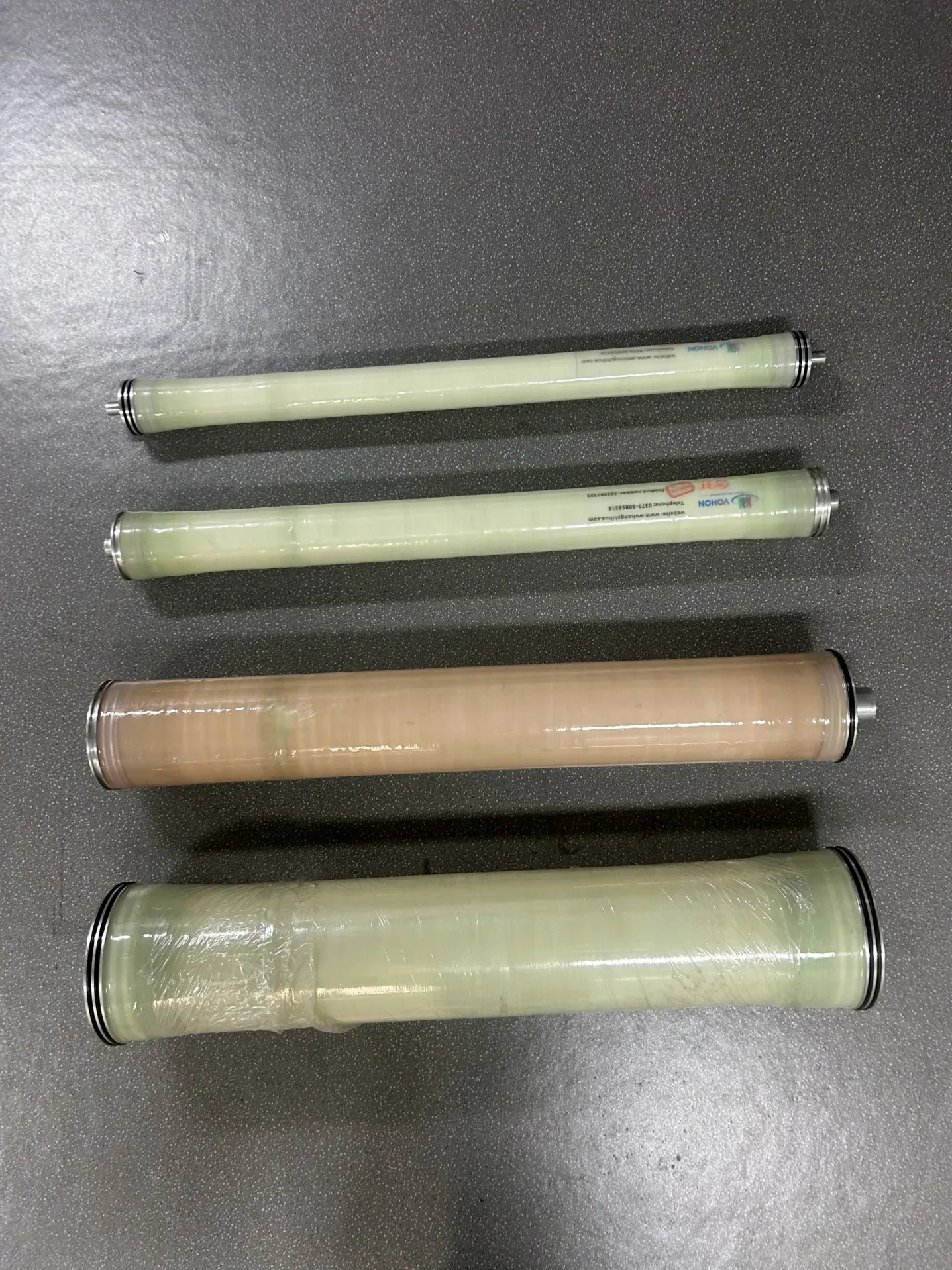
The two are not substitutes for each other. Many devices are used together: the runner is used for enrichment, and the latter is recycled by condensation. Which one to choose depends on the exhaust gas composition, humidity, dust content and emission requirements.
Type selection should first put the working conditions clearly, and then talk about the adsorbent.
| Selection conditions | activated charcoal | zeolite runner |
|---|---|---|
| Applicable concentration | Medium and low concentration | Low concentration, large air volume is more appropriate |
| Exhaust gas humidity | Capacity decreases significantly when humidity is high | Good moisture resistance, suitable for high humidity exhaust gas |
| Intake air temperature | Need to drop to lower temperature | Temperature resistance is relatively better, pre-cooling is still recommended |
| Dust adaptation | Pre-dust removal required | More stringent requirements, must be pre-dust removal oil mist |
| Land area | Adsorption bed occupies a large area | The runner has a compact structure and occupies a small area. |
| Pre-treatment requirements | Medium | Higher |
Desorption out of the high concentration of air flow, gas volume is small, just to the condensation section processing, which is the origin of the combination of adsorption and condensation. Desorption temperature, desorption gas volume and condensation temperature should be matched, otherwise the air flow from desorption will not be collected back into the condensation section.
There are two main types of regeneration methods: thermal regeneration and steam regeneration. Hot regeneration uses hot air to bring out the adsorbed solvent, which is suitable for occasions where the water content of the recovered liquid is not strict. Steam regeneration uses steam desorption, which is more thorough, but the condensate should be separated from oil and water later.
Not necessarily, depends on the concentration level, gas volume and emission requirements. When the concentration is so low that condensation is no longer economical, the overall efficiency will be significantly improved by enriching the solvent with adsorption and then condensing, which is the main use of the adsorption method.
Look at the exhaust gas humidity, dust content and composition. High humidity, less dust occasions more stable zeolite runner; components of larger molecular weight, humidity is not high occasions more advantages of activated carbon. Many devices are used in combination with both.
Desorption gas concentration is high, the amount of gas is small, usually connected to the condensation section to recover the solvent. Desorption temperature, gas volume and condensation temperature need to match, otherwise the desorb out of the components in the condensation section can not be collected back.
This article by LuoyangWohong PetrochemicalEquipment Co., Ltd. arranges that the company provides design, manufacturing and operation and maintenance services for condensation recovery, membrane separation recovery and complete solvent recovery devices for chemical and pharmaceutical enterprises. If you need process evaluation or scheme configuration, please contact and exchange.
Mr. Li 13526990215

Hotline





