In the field of industrial waste gas treatment,RTOThermal storage incinerators and membrane condensation are two common treatment technologies, each with its own advantages and disadvantages under different operating conditions. Understanding their scope of application is crucial for businesses to choose the appropriate oneswaste gas treatmentThe plan is crucial.
RTO technology is an efficient waste gas treatment method that heats organic waste gas to high temperatures, causing the organic matter to oxidize and decompose into carbon dioxide and water at high temperatures. This technology has the advantages of high processing efficiency and wide applicability, especially suitable for treating high concentration and high air volume organic waste gases.
In industries such as chemical and painting, the concentration of organic compounds in exhaust gas is high, and RTO can quickly and effectively decompose these organic compounds to meet emission standards. Moreover, RTO equipment can recover the heat generated by combustion through thermal storage, improve energy utilization efficiency, and reduce operating costs. However, RTO technology also has some limitations. It requires a large amount of natural gas and other fuels to maintain high-temperature combustion, resulting in relatively high operating costs. Especially when dealing with low concentration exhaust gas, in order to ensure combustion efficiency, it is necessary to continuously supplement natural gas, which further increases operating costs. In addition, RTO equipment has a large volume, a wide footprint, and relatively high construction and maintenance costs.
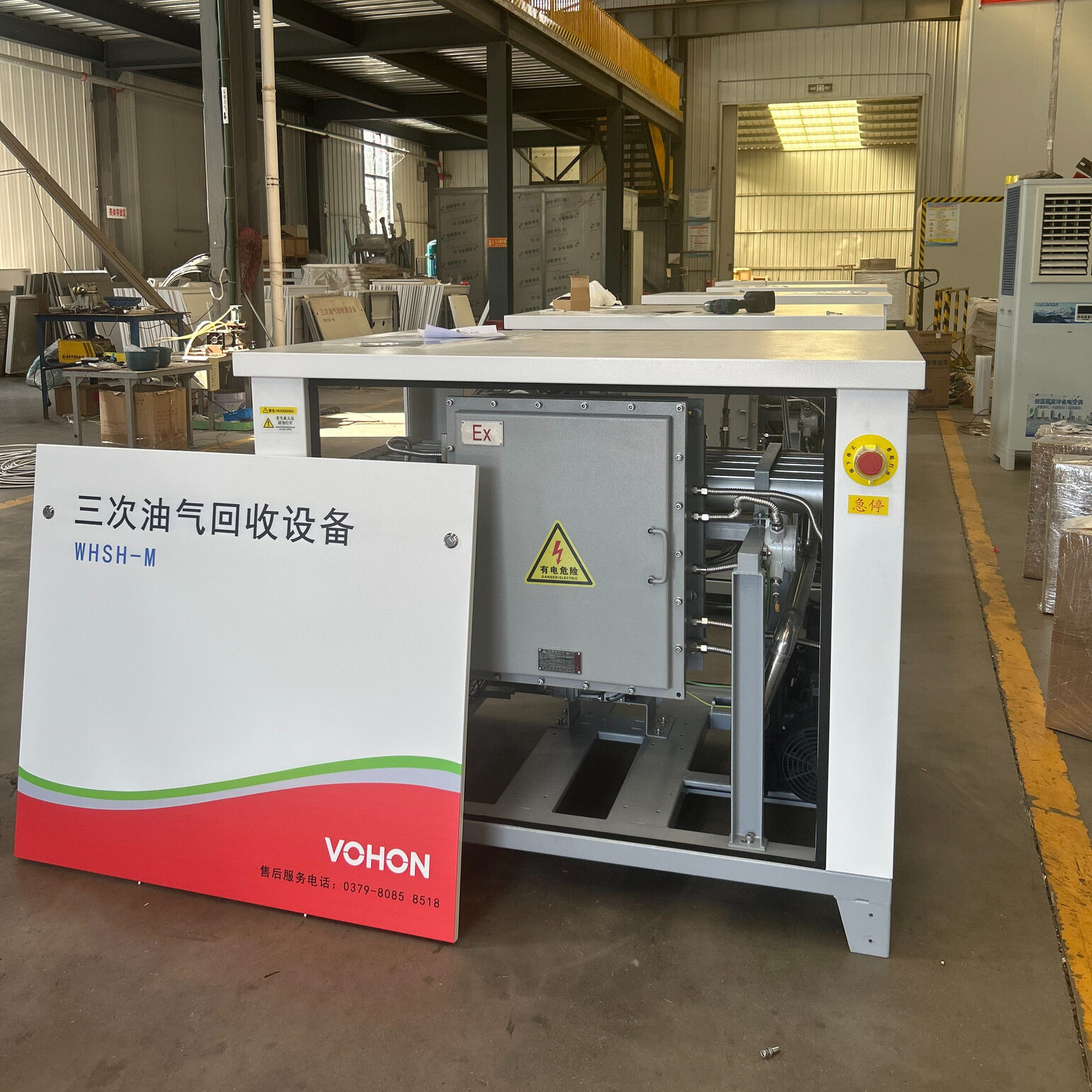
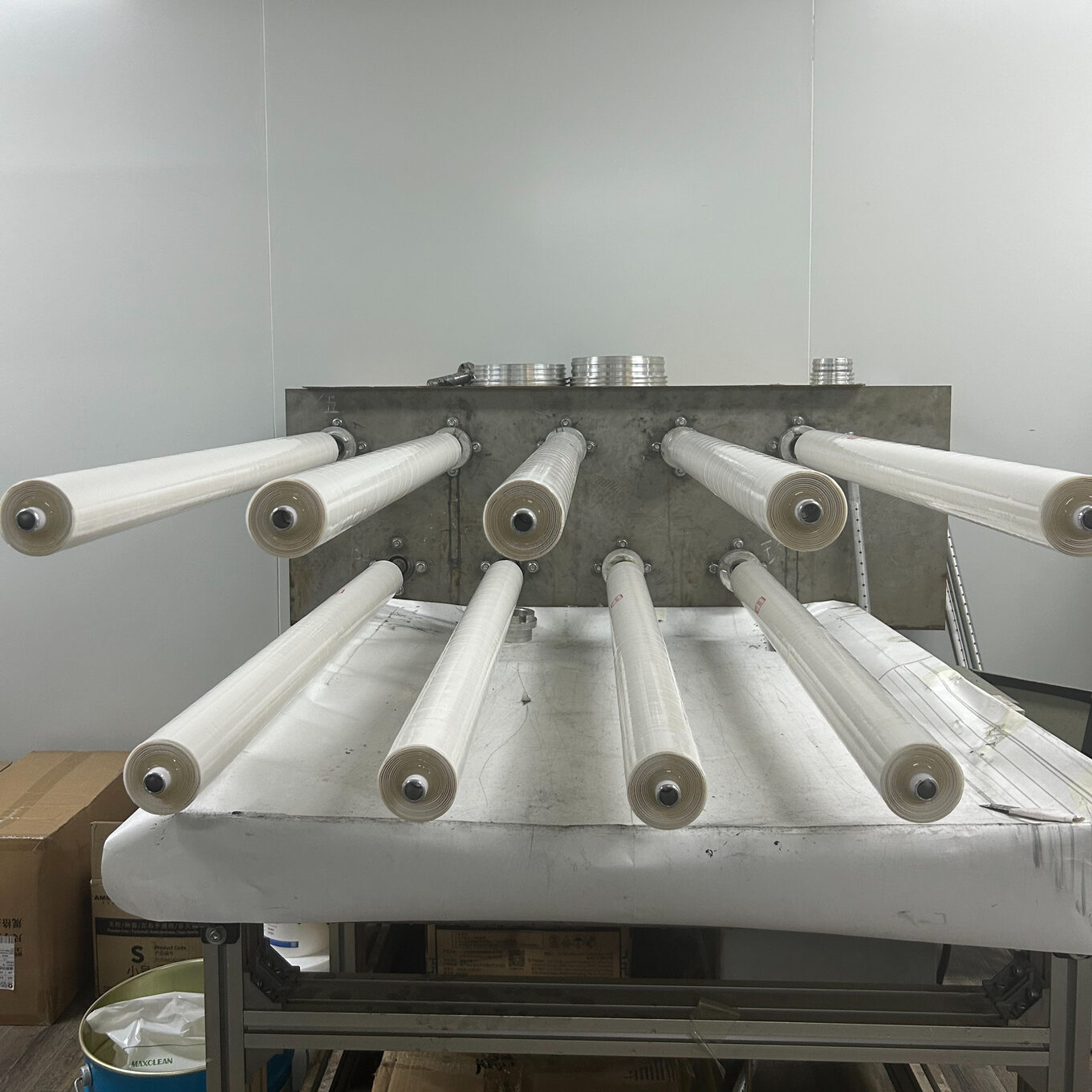
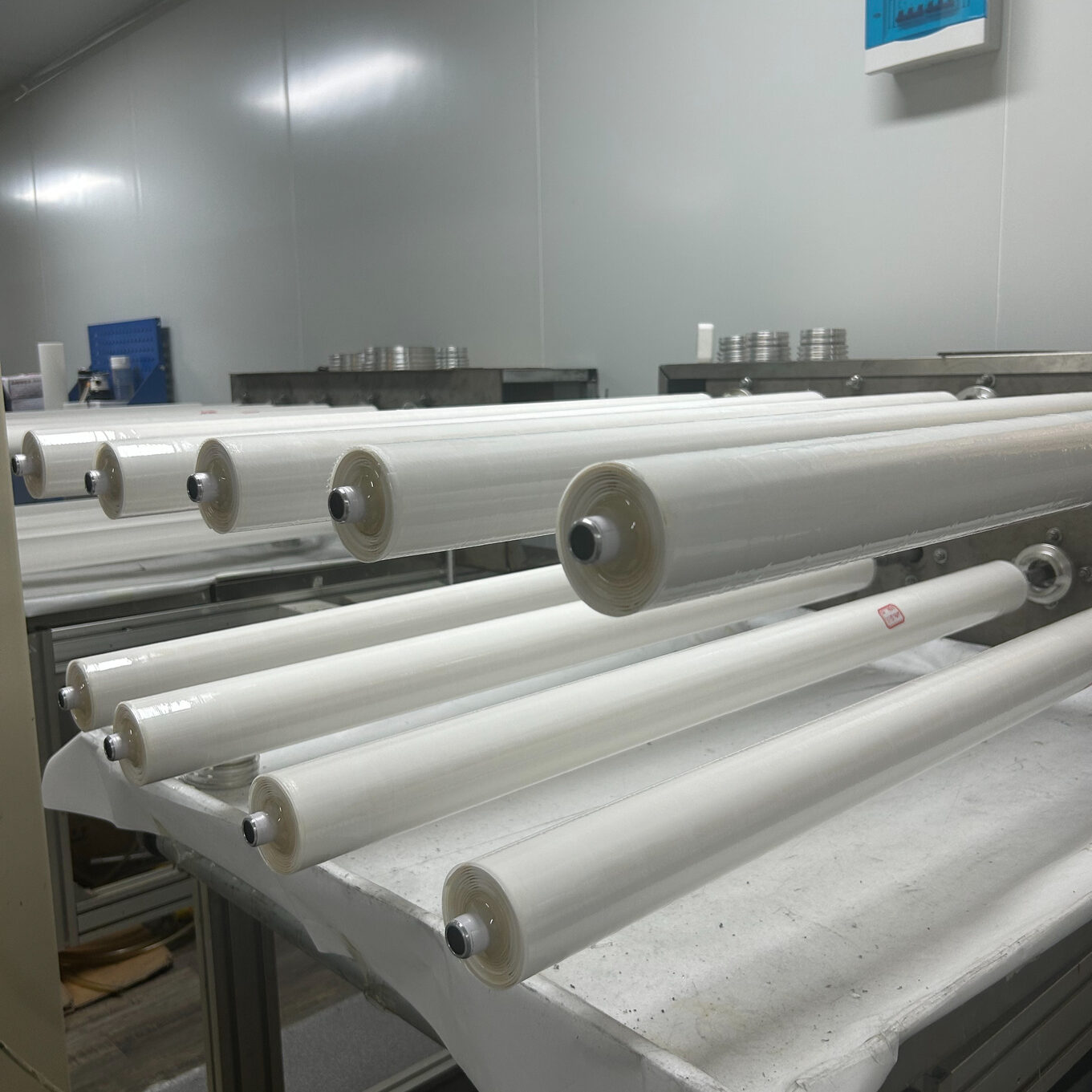
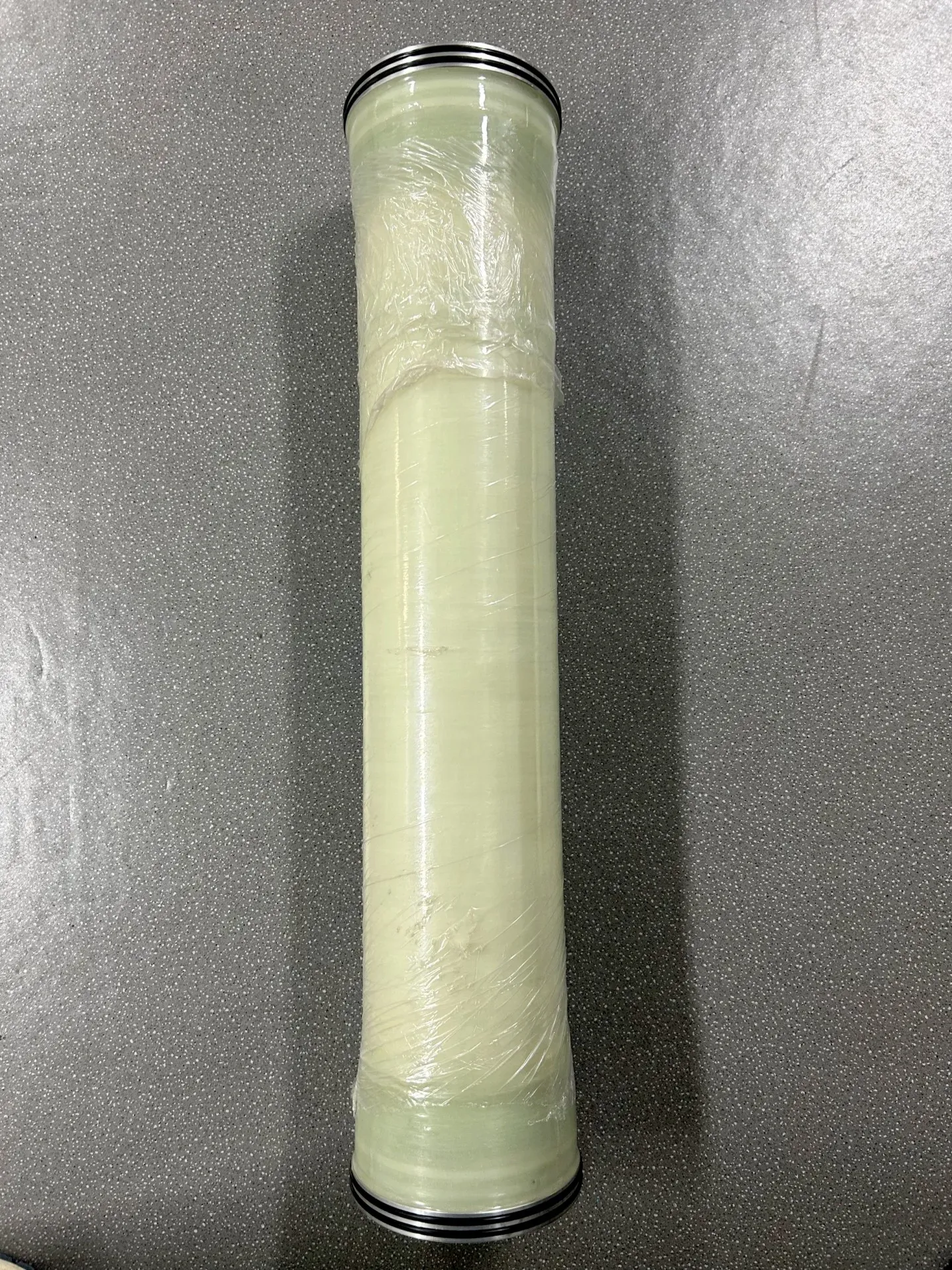
Membrane condensation technology is a new type of exhaust gas treatment technology, which uses three-stage condensation togas separation membraneCombination process, condensing and liquefying organic solvents in exhaust gas for recovery. This technology has the advantages of low operating costs, solvent recovery to create revenue, and is suitable for the treatment of medium to high concentration organic waste gases in industries such as chemical, pharmaceutical, and gas stations.
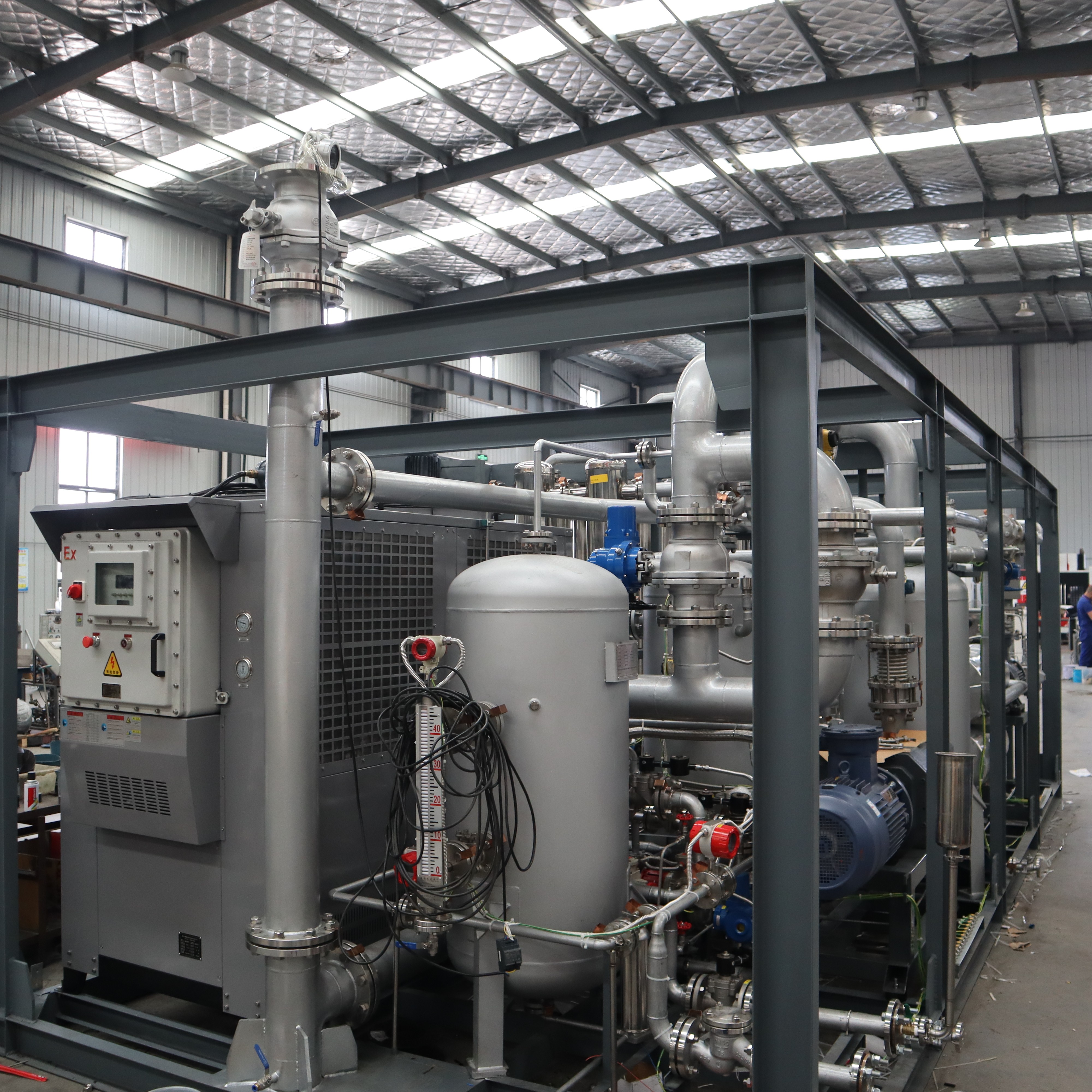
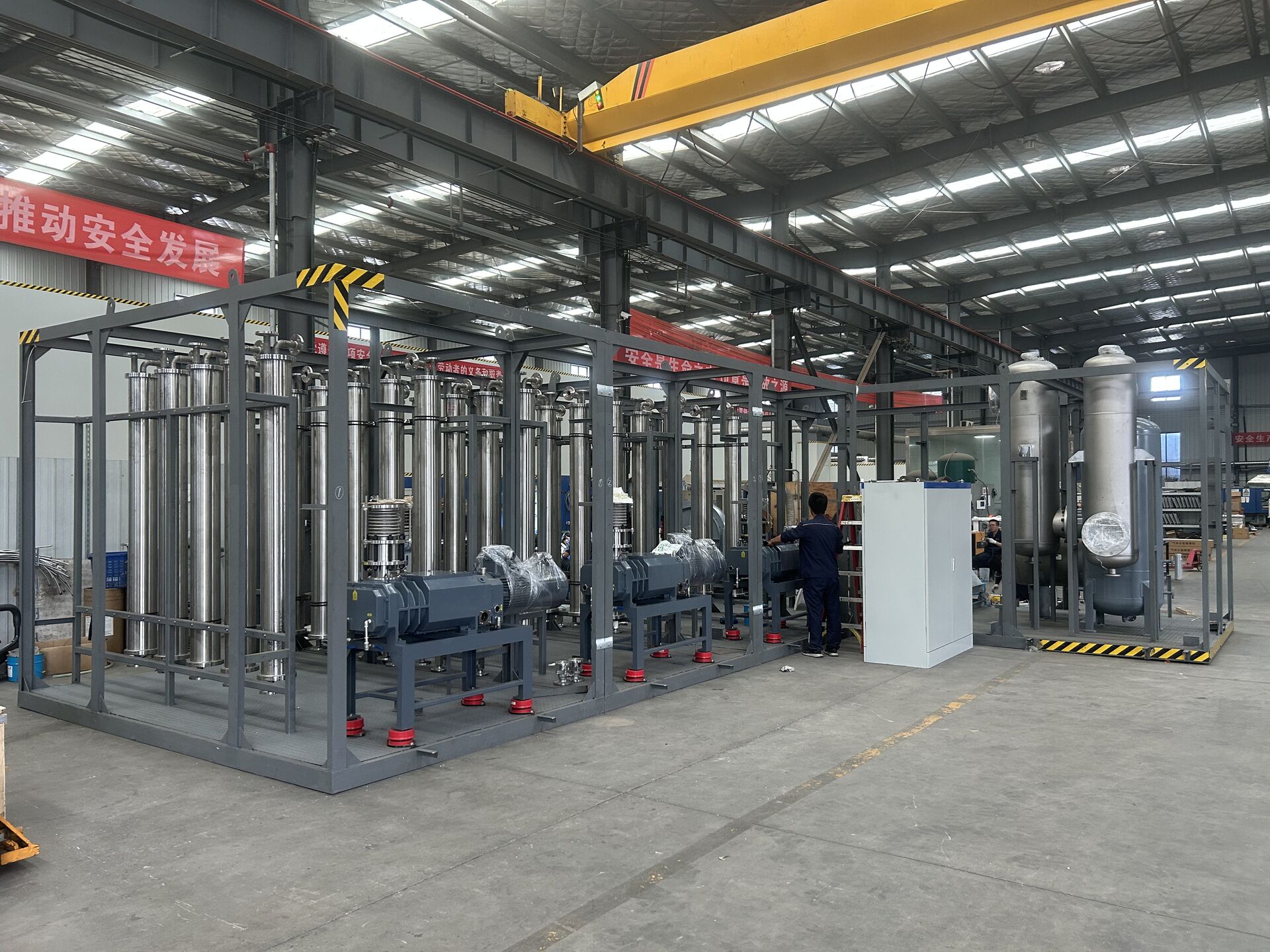
The membrane condensation equipment adopts a modular integrated design, which occupies a small area, is fast to install, and only uses electricity for operation without burning gas, greatly reducing operating costs. The refrigeration compressor and vacuum pump are both controlled by frequency conversion, which can automatically adjust the power according to the exhaust gas load, effectively controlling power consumption. Moreover, the equipment is capable of condensing, liquefying, and recovering organic solvents from exhaust gases, with a purity of over 90%. The recovered solvents can be directly reused for production or external sales, converting environmental expenses into economic benefits. In addition, the core consumables of membrane condensation equipment, membrane components, have a service life of three to five years. Daily maintenance mainly involves checking the pressure and recovery liquid level of the refrigeration system every week, cleaning the fins of the heat exchanger every month, and replacing the refrigeration oil and drying filter every year. There is no need to frequently replace consumables.
From the perspective of applicability, RTO is more suitable for treating high concentration and high air volume organic waste gas, especially for enterprises that require high efficiency in waste gas treatment and are less sensitive to operating costs. Membrane condensation technology is more suitable for treating medium to high concentration organic waste gases, especially those containing recyclable organic solvents. Membrane condensation technology can not only effectively treat exhaust gas, but also create economic benefits through solvent recovery, achieving a win-win situation between environmental protection and economy.
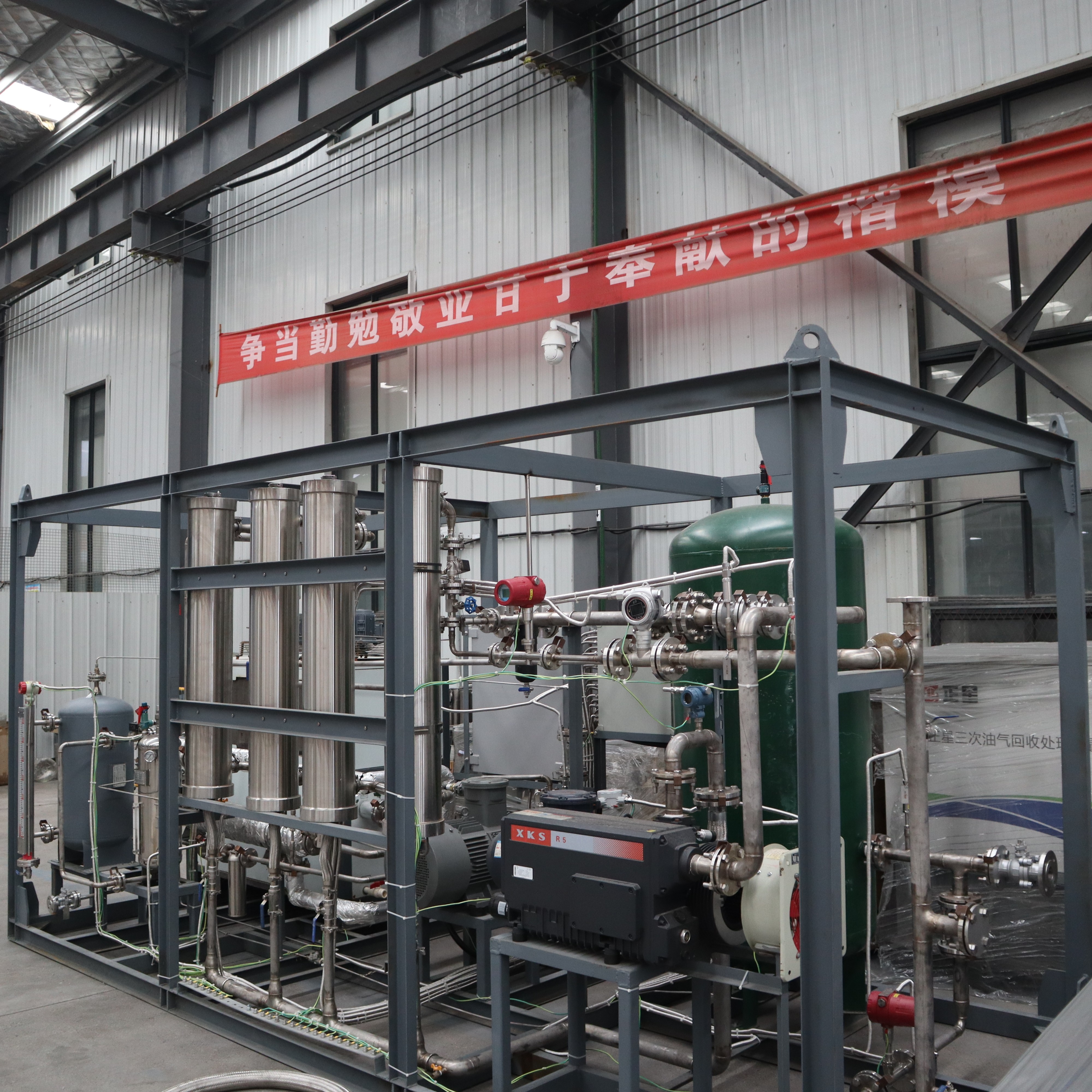
When choosing exhaust gas treatment technology, enterprises need to comprehensively consider factors such as exhaust gas concentration, air volume, composition, as well as their own economic strength and environmental protection requirements. LuoyangWohong PetrochemicalEquipment Co., Ltd. focuses on the field of VOC waste gas treatment, providing research and development, manufacturing, sales and supporting services of membrane condensation recovery equipment. The company has a complete membrane module production line and condensing equipment manufacturing workshop, with the ability to provide full-process services from condition analysis to equipment delivery. Its main membrane condensation recovery unit adopts a skid-mounted integrated design, which is suitable for the treatment of medium and high concentration organic waste gas in a variety of industries, and can be customized according to customer working conditions to provide enterprises with efficient and economical waste gas treatment solutions.
In short, both RTO and membrane condensation technology have their own applicable working conditions. When choosing, enterprises should consider comprehensively according to their own actual situation and choose the most suitable waste gas treatment technology to achieve the dual goals of environmental protection and economy.
Mr. Li 13526990215

Hotline