
Direct answer:The optimal recovery route for VOCs waste gas from ethyl acetate is the combination process of "compression condensation+membrane separation". Ethyl acetate has a low boiling point, high saturated vapor pressure, and good condensation and liquefaction performance - high concentration waste gas is compressed to increase vapor partial pressure and then condensed in multiple stages. Most of the ethyl acetate is directly liquefied and recovered, and can be reused in production after water separation and filtration; The residual low concentration exhaust gas after condensation is enriched and treated by polymer membrane components, and the enriched gas is circulated and purified to meet emission standards. The entire physical process does not involve incineration or generate solid waste, making it particularly suitable for fine chemical batch workshops.
\n\nEthyl acetate is one of the most widely used solvents in the fine chemical, pharmaceutical, coating, and adhesive industries. Esterification reactions, extraction and refining, stirring and dissolution, drying and leveling, cleaning and displacement all produce volatile organic compounds (VOCs) waste gas. It has two governance difficulties: first, high saturated steam pressure, extremely volatile, and a large amount of leakage at room temperature, resulting in high pressure of unorganized emissions in the workshop; The second issue is that the concentration fluctuates dramatically with the batch of operations, with pulse type high concentration exhaust and low concentration respiratory emissions alternating, making it difficult for a single fixed operating condition treatment equipment to balance.
\n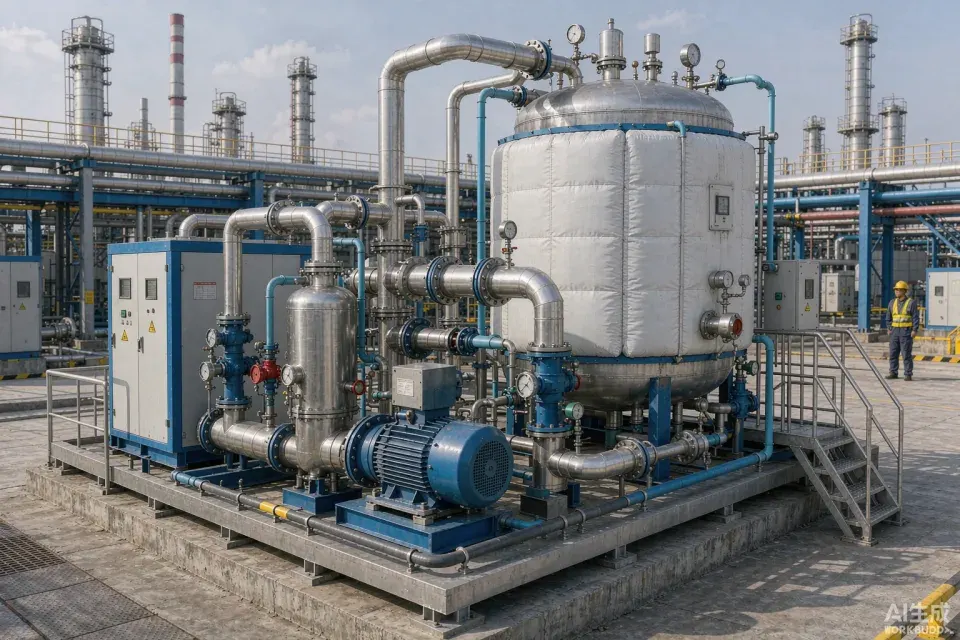
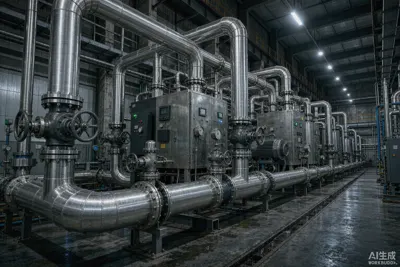
The scenarios of pressure relief and displacement exhaust of esterification reaction kettle, vacuum desolvation and vacuum distillation of non condensable gas, exhaust gas from centrifugation and filtration processes, breathing of solvent storage tanks, feeding and cleaning of solvents in barrels, displacement exhaust, and renovation of collection pipeline network in old workshops are all applicable. For workshops with obvious intermittent batches, the device is equipped with a PLC automatic control system, which automatically tracks changes in air volume and concentration to adjust the unit load, taking into account both peak pulse and low load standby states.
\nEthyl acetate has a low flash point and lower explosive limit, and the device must be designed according to explosion-proof standards: explosion-proof models are selected for motors, sensors, valves, and instruments, and the whole machine is manufactured according to the requirements of Class A explosion-proof areas; Equipped with online monitoring of temperature, pressure, and combustible gas concentration, set up interlock protection for over temperature and over pressure, and emergency venting bypass; Select anti-corrosion materials suitable for the components in contact with the medium according to the composition of the exhaust gas to ensure long-term stable operation.
\nQ: Can the purity of ethyl acetate be reused after recovery?
A: The quality of the liquid solvent recovered by condensation can meet the production reuse standard after water separation and precision filtration and purification, and it can be reused in the workshop to reduce the purchase amount of new solvent.
Q: Does the large fluctuation of exhaust gas concentration affect the recovery effect?
A: Not affected. The compression unit cooperates with PLC automatic control load adjustment, the high concentration pulse section automatically increases the condensation recovery force, and the low concentration section is treated by the membrane separation unit.
Q: andactivated charcoalWhat is the advantage of adsorption?
A: Activated carbon is only transferred but not recycled. Waste carbon is dangerous solid waste and fails quickly under the influence of water vapor. Condensing membrane separation directly liquefies the solvent for reuse, without solid waste and consumables for transfer, and the comprehensive operation cost is lower.
LuoyangWohong PetrochemicalEquipment Co., Ltd. provides VOCs liquefaction and recovery complete sets of organic solvents such as ethyl acetate for the fine chemical and pharmaceutical industries, compression condensation membrane separation process, explosion-proof design and skid-mounted delivery. Welcome to inquire about the selection scheme.
Mr. Li 13526990215

Hotline





